

Over 667,000 Displaced in Lebanon as Escalating Conflict Deepens Crisis
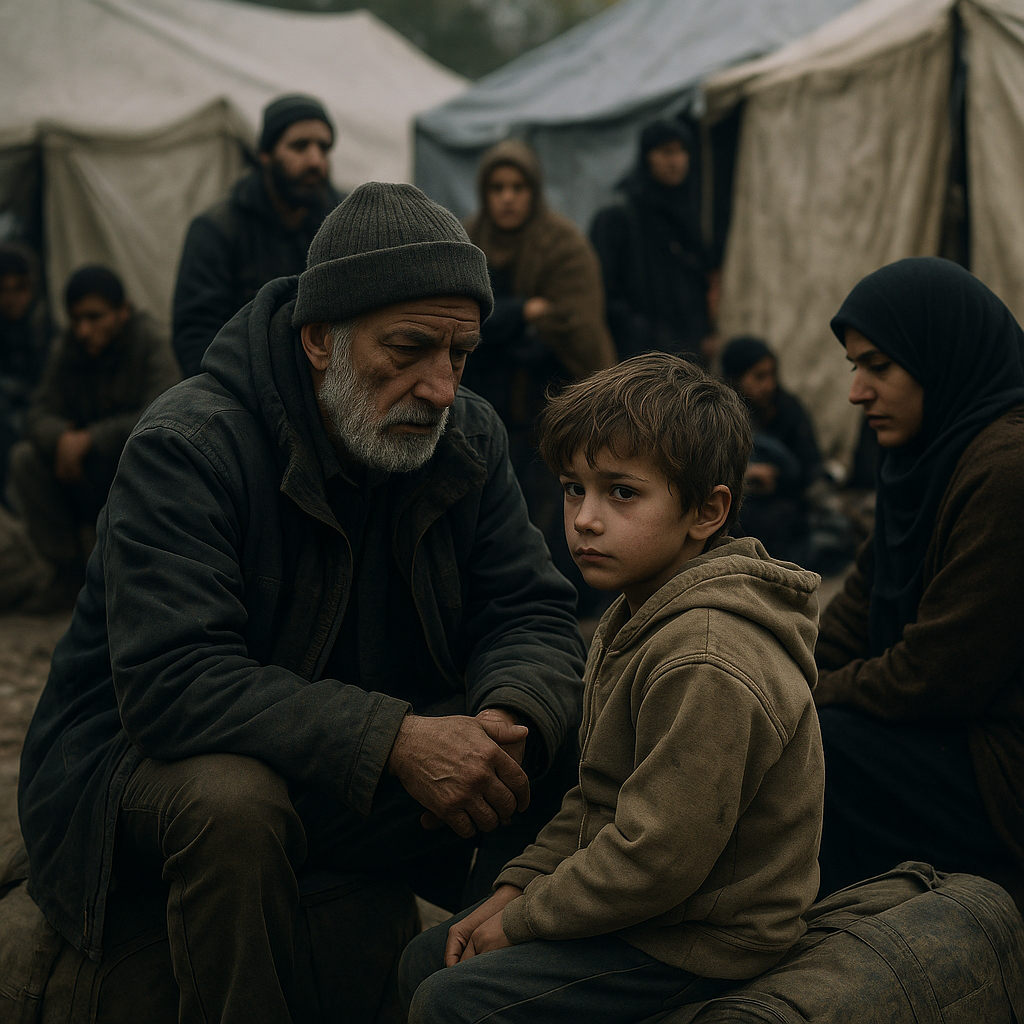
Many families fled their homes with little or no belongings, seeking refuge in Beirut, Mount Lebanon, northern districts and parts of the Bekaa Valley.
- Country:
- Lebanon
The United Nations refugee agency has warned that the rapidly escalating conflict in Lebanon has already displaced more than 667,000 people, forcing families to flee their homes within minutes as airstrikes intensify across the country.
The new escalation began on 2 March, when Israeli evacuation warnings covering more than 53 villages and densely populated areas triggered a wave of mass displacement across southern Lebanon and surrounding regions.
According to Lebanese authorities, the number of people registering on the government's online displacement platform has surged by over 100,000 in a single day, reflecting the speed and scale of the unfolding humanitarian crisis.
Hundreds of Thousands Forced to Flee
Many families fled their homes with little or no belongings, seeking refuge in Beirut, Mount Lebanon, northern districts and parts of the Bekaa Valley.
Of the total displaced population:
-
Around 120,000 people are sheltering in government-designated collective sites, including schools and public buildings.
-
Hundreds of thousands more are staying with relatives or friends or searching for temporary accommodation.
Many of those fleeing had already been displaced during the hostilities of 2024, forcing them to endure repeated cycles of displacement.
During a recent visit to a shelter in Beirut, humanitarian workers met a woman in her 90s who had already lost 11 members of her family during last year's attacks and is now displaced again.
Stories like hers highlight the profound trauma and uncertainty facing thousands of Lebanese families.
Growing Cross-Border Movements into Syria
The conflict is also triggering cross-border displacement into Syria.
According to Syrian authorities:
-
More than 78,000 Syrians have entered Syria from Lebanon since the escalation began.
-
Over 7,700 Lebanese nationals have also crossed the border.
Among those returning are Syrian refugees who had been living in Lebanon for years and had previously planned to return home gradually, but who are now rushing back due to the deteriorating security situation.
UNHCR teams are present at Syrian border crossings, working with authorities and humanitarian partners to provide emergency relief and assistance to new arrivals.
UNHCR Expanding Emergency Response
Since the start of the crisis, UNHCR has been working closely with the Lebanese government and local authorities to respond to the growing humanitarian needs.
So far, the agency has delivered around 168,000 emergency relief items to more than 63,000 displaced people across over 270 government-designated shelters.
Supplies distributed include:
-
Mattresses and blankets
-
Sleeping mats and sleeping bags
-
Solar lamps
-
Jerry cans for water storage
These essential items help families meet immediate survival needs while they remain displaced.
UNHCR is delivering assistance through national and international NGOs, municipal authorities and partners such as the Lebanese Red Cross, ensuring that relief reaches even hard-to-access areas where displaced families remain stranded.
Psychological Trauma and Protection Risks Rising
Humanitarian workers warn that displacement is not only creating material hardship but also severe psychological distress, especially among children and elderly people.
Many displaced families are experiencing shock, fear and trauma after fleeing sudden airstrikes.
Through community centres, outreach volunteers and protection partners, UNHCR is providing:
-
Psychosocial support services
-
Assistance for people with disabilities
-
Family reunification support for separated children
-
Identification and protection for individuals at heightened risk
Severe Funding Shortfall Threatens Response
Despite scaling up its operations, UNHCR warned that limited funding is threatening its ability to sustain the emergency response.
The agency's humanitarian operation in Lebanon is currently only 14 percent funded, even as displacement continues to grow rapidly.
Humanitarian agencies say they are working urgently to replenish emergency stockpiles of relief supplies as demand rises.
Call for Civilian Protection and Humanitarian Access
UNHCR is urging the international community to provide urgent financial support and calling on all parties to ensure the protection of civilians.
"Civilians must be protected at all times, and safe, unhindered humanitarian access must be guaranteed so aid can reach those who need it most," the agency said.
With displacement rising daily, aid organisations warn that continued fighting could further destabilize Lebanon and the wider region, leaving hundreds of thousands more civilians at risk.
ALSO READ
-
Nearly Four Million Displaced as Central Sahel Crisis Pushes Families Beyond Borders
-
From Safety to Fresh Starts: UN Refugee Chief Calls for Opportunity in Latin America
-
Lebanon’s Children Cannot Lose More of Their Childhood, UNICEF Chief Urges Action
-
Deepening Funding Cuts Push Nearly 6 Million Refugee Children Out of School
-
Malaysia’s Return of 1,476 People to Myanmar Raises UNHCR Fears Over Their Safety


 Google News