

Venezuela opposition leaders in talks to join parliament vote, Turkey official says
The news signals a major rift within the opposition, which last year coalesced around the figure of congress chief Juan Guaido, who has been recognized by dozens of countries as Venezuela's legitimate president. Mevlut Cavusoglu, the foreign minister of Turkey - a close political and commercial ally of Venezuela - said in a press conference that Capriles and Gonzalez had insisted on the presence of outside observers in the vote, which Maduro had agreed to.
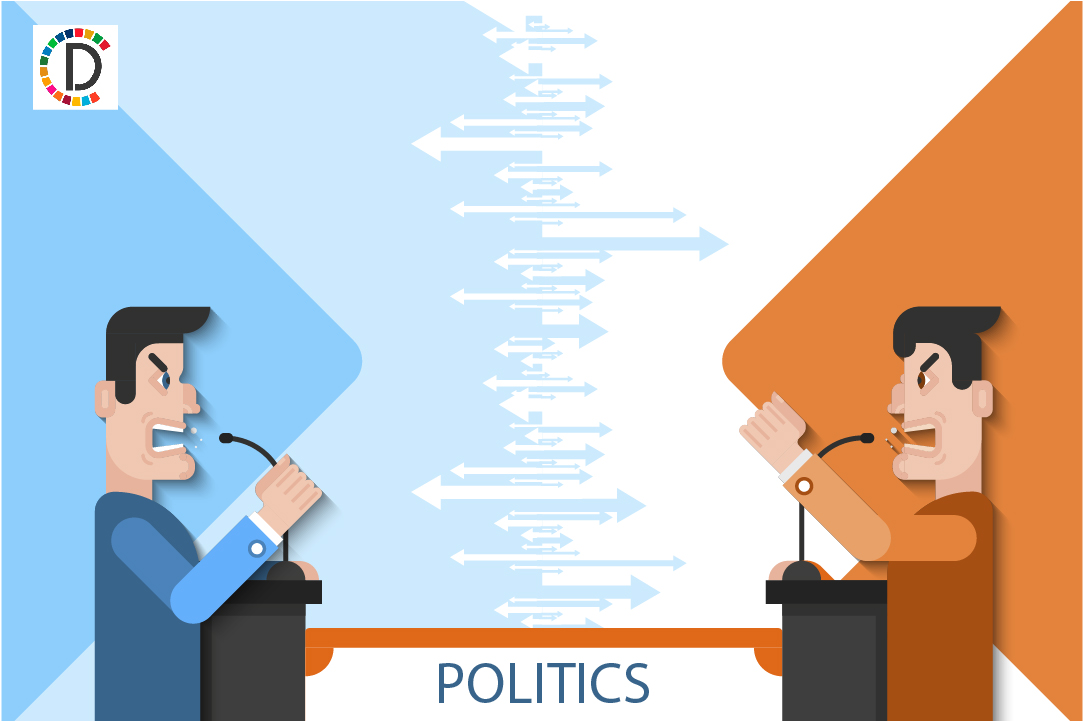
Two high-profile Venezuelan opposition leaders are in talks with the government of President Nicolas Maduro to participate in the upcoming legislative elections despite a planned boycott, a Turkish official involved in the talks said on Tuesday. Opposition parties had agreed to sit out the parliamentary vote slated for December, arguing the poll was tainted by Supreme Court meddling in political parties and an arbitrary expansion of the number of legislators. But two-time presidential candidate Henrique Capriles and legislator Stalin Gonzalez have been quietly leading an effort to field opposition candidates despite worries that the vote will be tilted in favor of the ruling Socialist Party, according to two opposition sources.
Capriles and Gonzalez's respective parties, Justice First and A New Era, were among the 27 parties that had pledged to boycott. The news signals a major rift within the opposition, which last year coalesced around the figure of congress chief Juan Guaido, who has been recognized by dozens of countries as Venezuela's legitimate president.
Mevlut Cavusoglu, the foreign minister of Turkey - a close political and commercial ally of Venezuela - said in a press conference that Capriles and Gonzalez had insisted on the presence of outside observers in the vote, which Maduro had agreed to. "We see that the administration and the opposition are close to a deal, and we are happy about this," Cavusoglu said. "The attendance of outside observers is one of the conditions, and these conditions have been accepted by the Maduro administration."
Neither Capriles nor Gonzalez responded to requests for comment. Venezuela's Information Ministry, which fields questions on behalf of Maduro's government, did not immediately reply to a request for comment.
Guaido's office said in a statement that it disavowed the talks with Maduro, which it said Capriles and Gonzalez undertook in their personal capacity. "We want to be categorical: these actions were taken without the knowledge or authorization of the interim government, the National Assembly, our international allies, or the joint agreement reached and announced by 27 political organizations that comprise the democratic forces," the statement read.
Cavusoglu, in a nod to the boycott, said not all of the opposition was on board. "Some individuals supported from outside will not take part in the election no matter what," he said, in apparent reference to the United States' backing of Guaido.
Maduro's critics note that directors of the nation's electoral council were named by the pro-government Supreme Court rather than the opposition-controlled legislature, as mandated by the constitution. The new elections board also approved a two-thirds increase in the number of parliamentary seats, which Maduro's adversaries called a maneuver to dilute opposition influence and pack congress with Socialist Party supporters.


 Google News