

Trump's Economic Impact: Federal Cuts and Employment Trends
President Donald Trump's policies are reshaping the U.S. job market, with significant cuts in federal workforce numbers and immigration enforcement. Despite goals to boost factory jobs, manufacturing employment remains stagnant. The breadth of hiring is narrowing, with education and healthcare sectors leading new job creation amid business uncertainty.
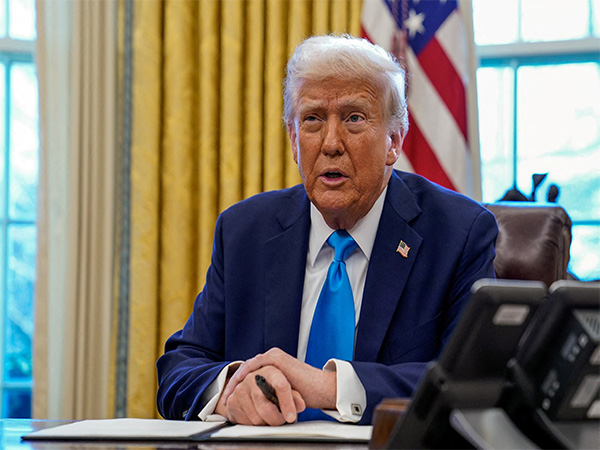
President Donald Trump, six months into his second term, is leaving a marked imprint on the U.S. employment landscape through policy changes that include federal workforce reductions and stringent immigration enforcement.
However, the anticipated rebound in manufacturing jobs has not materialized, despite aggressive tariffs aimed at boosting domestic production. Factory employment numbers reveal a significant downturn, with June marking the lowest manufacturing job count in three years.
While new payrolls hit 147,000, job growth is concentrated in fewer sectors, notably education and healthcare, amid overarching business uncertainty due to Trump's shifting policy landscape. The Bureau of Labor Statistics' diffusion index signals a contraction in hiring across industries, reflecting the most constrained employment state since August 2020.


 Google News