

Gerrymandering Under Fire: The Political Map Wars
The U.S. Supreme Court's decision in Rucho v. Common Cause has intensified partisan gerrymandering across states, influencing upcoming elections. Partisan-driven redistricting, while legal under recent rulings, faces public condemnation as undemocratic, with significant implications for U.S. democracy and political control.
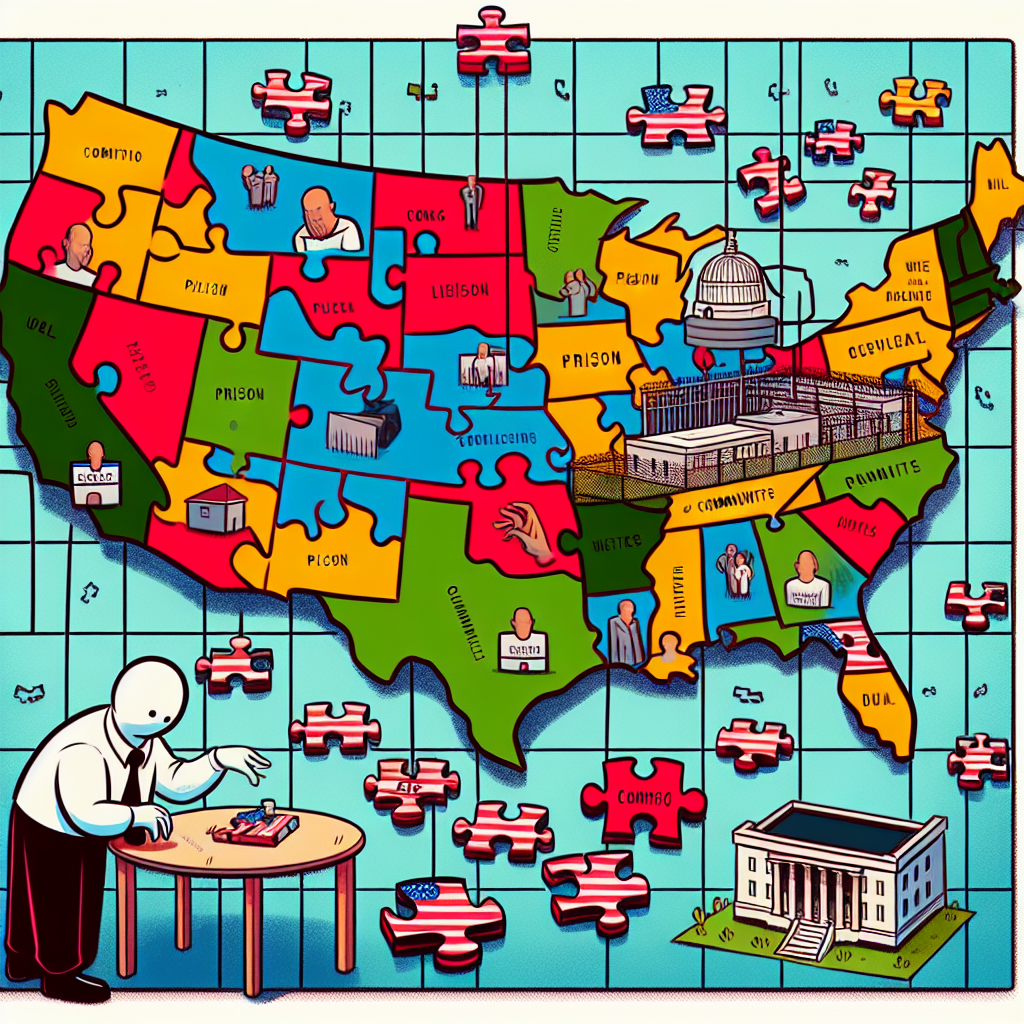
Recent rulings by the U.S. Supreme Court allowing partisan voting maps in pivotal midterm elections underscore the impact of the 2019 Rucho v. Common Cause decision. This ruling removed federal court oversight of partisan gerrymandering, enabling states to redraw electoral districts for political gain, a practice widely opposed by Americans.
The Rucho decision has sparked a gerrymandering race as states like Texas and California create skewed voting maps. These maps aim to shift congressional seats between Republicans and Democrats, heightening political tensions. Legal experts argue that a federal limit on gerrymandering could reduce such practices significantly.
The contentious map redrawing, detached from the decadal census cycle, marks a significant shift in political strategies. While state courts have intervened in some cases post-Rucho, the Supreme Court's stance ensures partisan tactics persist, raising concerns about democracy's future in the U.S.


 Google News