

Historic Ceasefire: A Glimmer of Peace Between U.S. and Iran
The U.S. and Iran have agreed to a two-week ceasefire after mediation by Pakistan, averting potential conflict over the Strait of Hormuz. International leaders praise the move, urging further diplomatic efforts to ensure lasting peace. The ceasefire aims to protect civilians and resume global oil shipment routes.
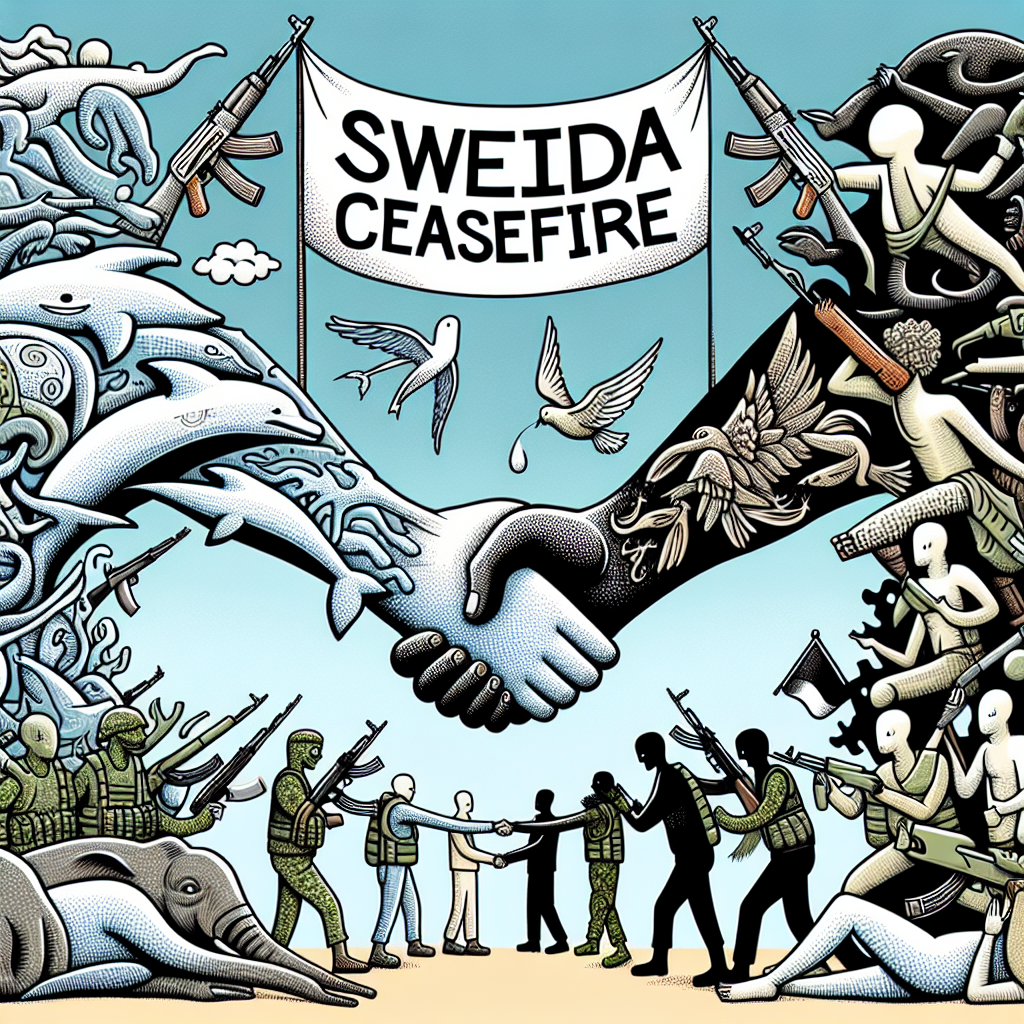
In a significant diplomatic breakthrough, the United States and Iran have entered a two-week ceasefire agreement, facilitated by Pakistani mediation. Announced by U.S. President Donald Trump just hours ahead of a potential escalation, the truce requires Iran to reopen the strategic Strait of Hormuz.
Iran's Supreme National Security Council claimed victory over the U.S. with this agreement as diplomatic talks are scheduled in Islamabad, facilitated by Pakistan's Prime Minister Shehbaz Sharif. Global leaders, including U.N. officials and European representatives, have welcomed the ceasefire, advocating for diplomatic progress to establish lasting peace in the troubled region.
With the Strait of Hormuz being vital for global oil shipments, the ceasefire alleviates imminent threats and opens pathways for negotiation on critical issues, including Iran's nuclear program. World leaders emphasize the importance of diplomacy and international law in maintaining peace and human rights protections.


 Google News