

High Gas Prices and Blockade Strategy: Trump's Iran Conflict Dilemma
U.S. President Donald Trump acknowledges high oil prices amid ongoing conflict with Iran, which began with a joint bombing campaign in February and has since escalated. The U.S. plans to blockade the Strait of Hormuz, impacting global oil prices, and Trump's approval ratings face pressure due to rising gas costs.
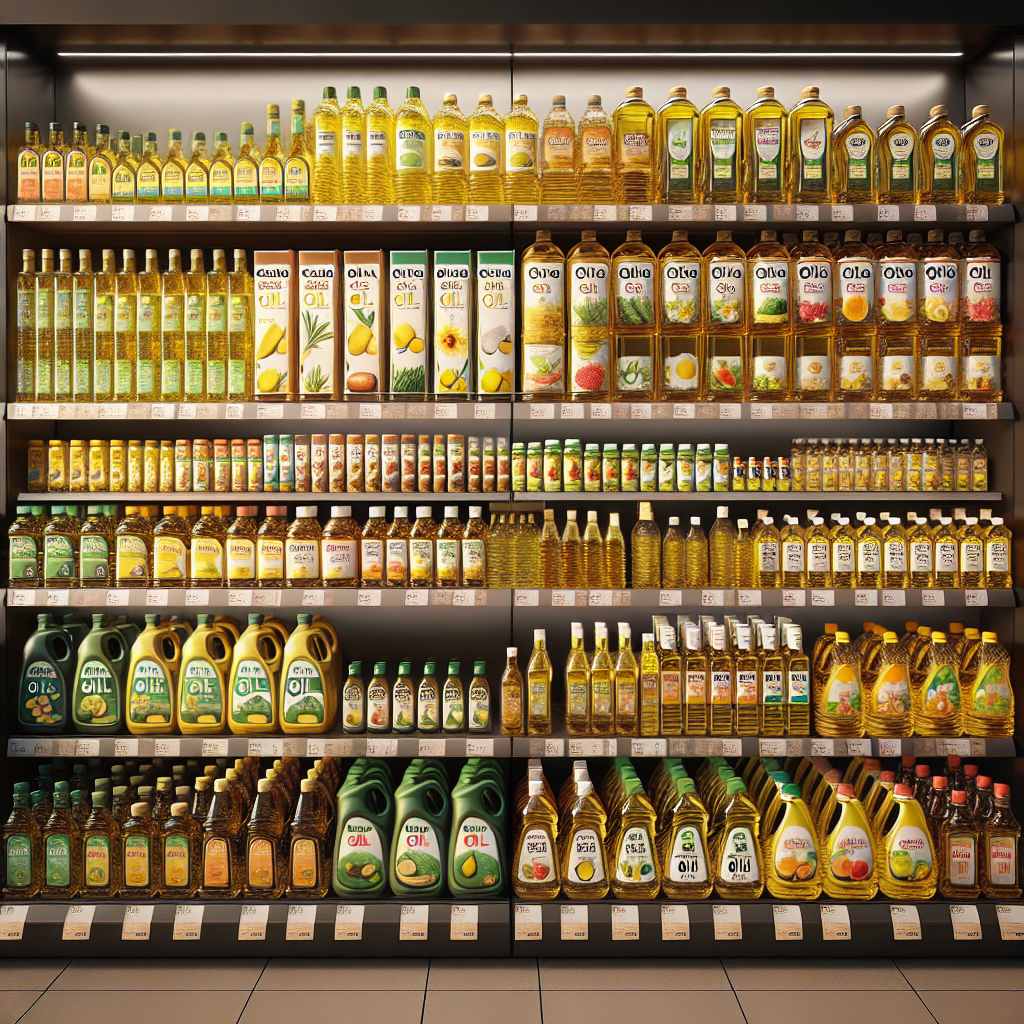
U.S. President Donald Trump admitted on Sunday that oil and gasoline prices might remain elevated through the upcoming midterm elections in November. This admission marks a rare concession about the political repercussions of his recent military actions against Iran.
Gasoline prices have surged past $4 per gallon across U.S. stations, as per GasBuddy data. In contrast, prices hovered below $3 in February. The sharp increase follows a U.S. Navy blockade of the Strait of Hormuz, aimed at preventing Iran from collecting tolls, escalating tensions further.
The strategy has drawn international scrutiny and domestic disapproval, with Trump's ratings hitting new lows. Critics, including U.S. Senator Mark Warner, argue that the blockade may deepen the conflict rather than resolve it, complicating an already tenuous ceasefire and raising the global economic stakes.
ALSO READ
-
Lee Jae Myung's Diplomatic Milestones: Balancing Amidst Global Tensions
-
Asian Stocks Surge Amid Global Inflation Concerns
-
Yen's Dive Post-BOJ Rate Hike: Market Watches for Next Moves
-
Diplomatic Moves: Takaichi's UN Meeting with Trump
-
Trade War Chessboard: Agriculture, Energy, and Rare Earths in Focus


 Google News