

Here's why NASA lost contact with Moon-bound spacecraft
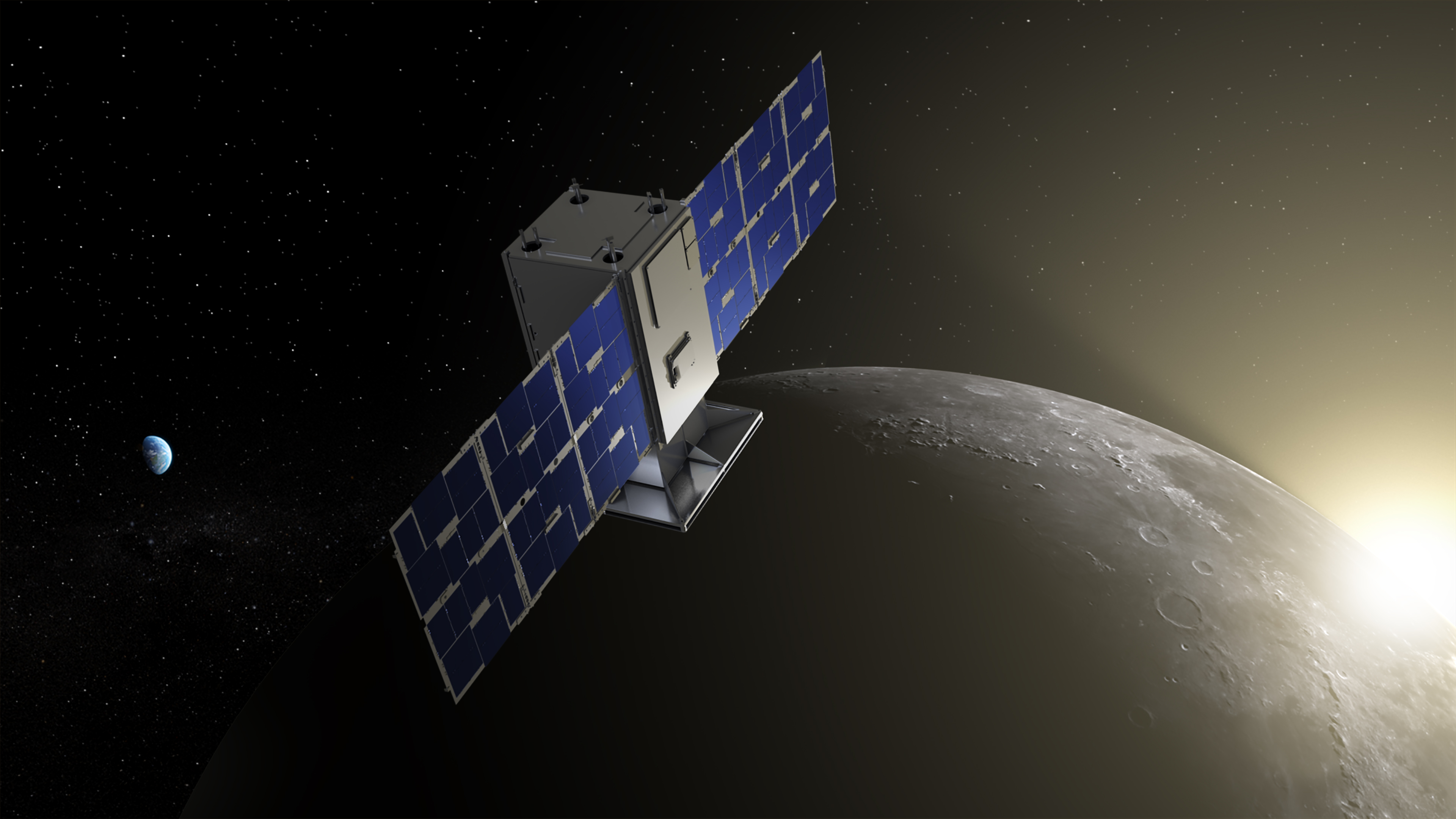
NASA's Cislunar Autonomous Positioning System Technology Operations and Navigation Experiment (CAPSTONE) mission teams have determined why they lost contact with the Moon-bound spacecraft.
During the commissioning of the tiny spacecraft, NASA's Deep Space Network team noted inconsistent ranging data. According to the agency, while investigating the issue, the spacecraft operations team attempted to access diagnostic data on the spacecraft's radio and sent an improperly formatted command that made the radio inoperable. The spacecraft fault detection system should have immediately rebooted the radio but did not because of a fault in the spacecraft flight software. CAPSTONE's autonomous flight software system eventually cleared the fault and brought the spacecraft back into communication with the ground, allowing the team to implement recovery procedures and begin commanding the spacecraft again, the agency said on Thursday.
After restoring contact, the spacecraft also completed its first trajectory correction manoeuvre, which started at 11:30 a.m. EDT Thursday. The manoeuvre lasted just over 11 minutes and changed the spacecraft's velocity by about 45 miles per hour (about 20 meters per second). CAPSTONE's next trajectory correction manoeuvre is targeted for July 9. These manoeuvres will more precisely target the spacecraft's transfer orbit to the Moon
MISSION UPDATE: Communications mystery solved#CAPSTONE's radio became inoperable during an attempt to access diagnostic data. The radio did not immediately reboot due to a fault in the flight software which has since been cleared. More details: https://t.co/DW3fWrC8e6 pic.twitter.com/QRpiebt519
— NASA Ames (@NASAAmes) July 7, 2022
CAPSTONE is expected to arrive at its lunar orbit – the near rectilinear halo orbit (NRHO) on November 13. Once there, the spacecraft will fly in the NRHO for at least six months to study the dynamics of the orbit, which is the same one intended for NASA's Gateway, a lunar space station for science and human exploration under Artemis.


 Google News