

NASA delays launch of LOFTID tech demo and NOAA's JPSS-2 satellite
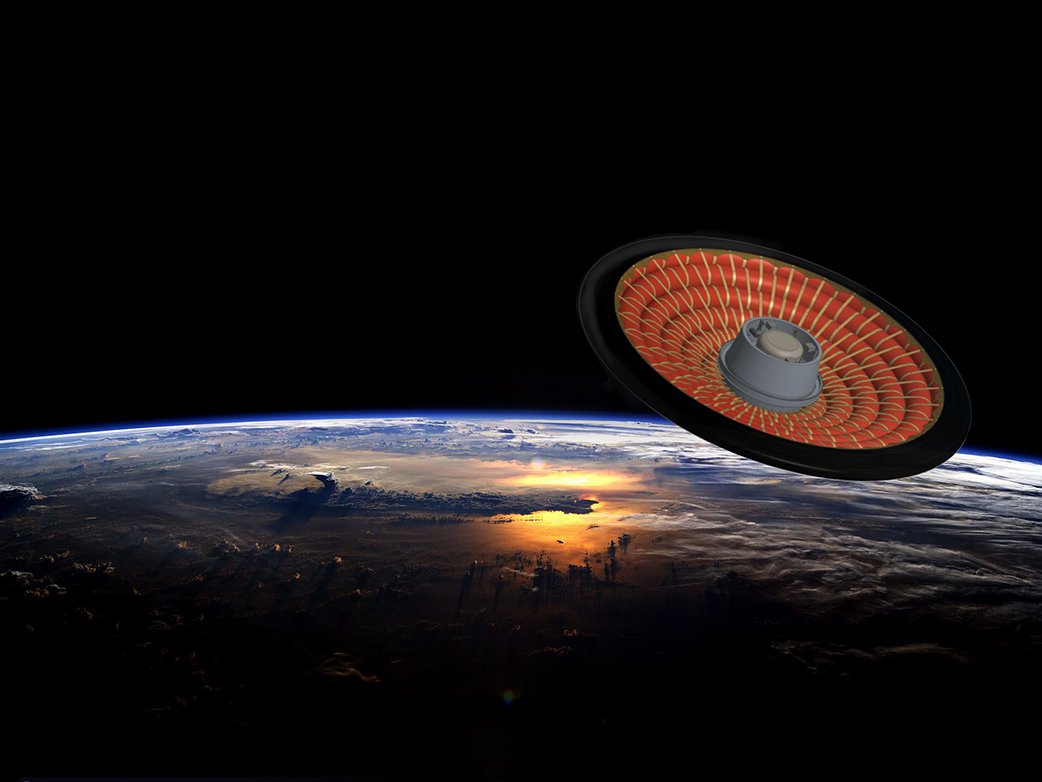
NASA has delayed the launch of the National Oceanic and Atmospheric Administration's (NOAA) next-generation weather satellite, Joint Polar Satellite System-2 (JPSS-2), and the agency's Low-Earth Orbit Flight Test of an Inflatable Decelerator (LOFTID) technology demonstration.
The satellite and the tech demo were scheduled to launch Tuesday, November 1, on a United Launch Alliance (ULA) Atlas V 401 rocket from Space Launch Complex 3 at Vandenberg Space Force Base in California. The launch was deferred due to the need to replace a battery on board the Centaur upper stage of the launch vehicle and is now scheduled for no earlier than Wednesday, November. 9, pending range availability, the agency said in a statement.
Launch of @NOAA's #JPSS2 and our #LOFTID @NASA_Technology demonstration is now no earlier than Nov. 9, and today's planned science briefing will be rescheduled. Follow the blog for more details and updates: https://t.co/ppQn3lVJzy pic.twitter.com/04XkLIBeea
— NASA (@NASA) October 29, 2022
JPSS-2
JPSS-2 is a next-generation weather-observing satellite that will scan Earth as it orbits from the North Pole to the South Pole, crossing the equator 14 times a day to provide full global coverage twice a day. It is expected to capture data to improve weather forecasts, helping scientists predict and prepare for extreme weather events and climate change.
The satellite will be renamed NOAA-21 once it reaches its polar orbit as part of the operational weather fleet. It will join NOAA-20 and SNPP to provide global observations that serve as the backbone of both short- and long-term weather forecasting.
LOFTID
NASA's LOFTID is a large-scale inflatable heat shield demonstration that one day could help land humans on Mars. The technology will demonstrate how a heat shield can slow down and survive re-entry in conditions relevant to many potential applications, whether landing humans on Mars, new missions to Venus and Titan, or returning heavier payloads and samples from low-Earth orbit, NASA says.


 Google News