

Researchers may have answered decades-old question about how galaxies evolve
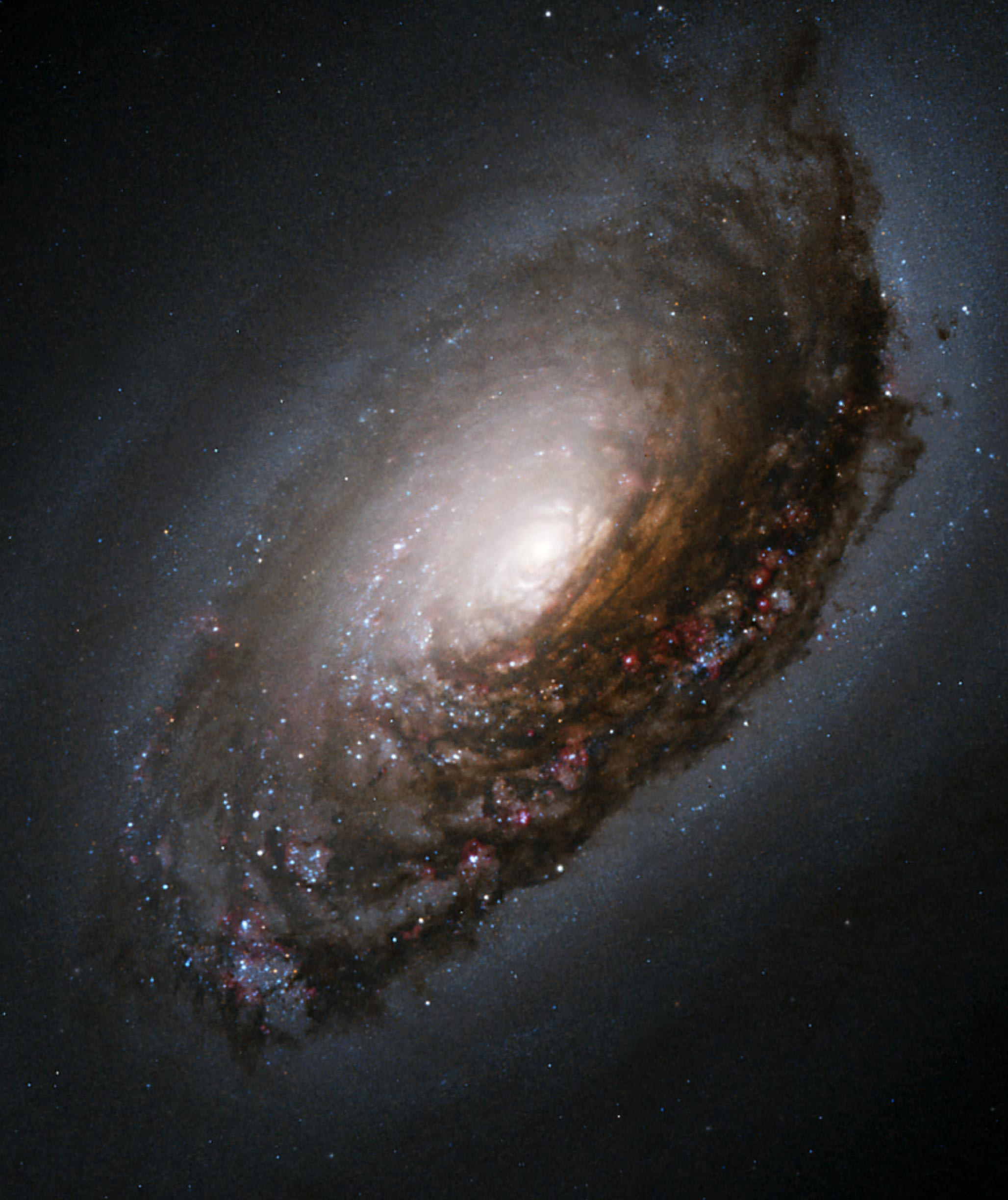
Researchers, led by astronomers at the International Centre for Radio Astronomy Research (ICRAR), may have answered a decades-old question - how do galaxies change their shape?
Published December 16 in the journal Monthly Notices of the Royal Astronomical Society, the new study utilised the powerful EAGLE simulations to analyse a group of galaxies in detail, using an AI algorithm to classify galaxies by their shape.
EAGLE, short for Evolution and Assembly of GaLaxies and their Environments, is a simulation that aims to understand how galaxies form and evolve. It is one of the largest cosmological hydrodynamical simulations ever, using nearly 7 billion particles to model the physics.
The neural network-based algorithm was trained by ICRAR PhD candidate Mitchell Cavanagh and can classify almost 20,000 galaxies per minute, compressing what would typically take weeks into one hour.
"The research explains the 'morphology-density relation' – where clustered galaxies appear smoother and more featureless than their solo counterparts. We've discovered there are a few different things going on when we get lots of galaxies packed together," said lead author Dr Joel Pfeffer from The University of Western Australia node of ICRAR.
According to Dr Pfeffer, the spiral arms of galaxies are so fragile, and as you go to higher densities in the galaxy clusters, these galaxies start to lose their gas, causing them to 'drop' their spiral arms, transforming into a lenticular shape. This process takes billions of years to happen.
Another reason, according to him, is galaxy mergers when two or more spiral galaxies crash together to form one large elliptical galaxy in the aftermath.
"There's been lots of suggestions over time. But this is the first work to really put all of pieces of the puzzle together," Dr Pfeffer said in a statement.
For the unversed, ICRAR is a joint venture between Curtin University and The University of Western Australia with support and funding from the State Government of Western Australia.


 Google News