

Record-strength cyclone Freddy pounds Mozambique after making second landfall
Cyclone Freddy battered central Mozambique on Sunday after making landfall for a second time in a month and breaking records for duration and strength of tropical storms in the southern hemisphere. More than 171,000 people were affected after the cyclone swept through southern Mozambique last month, killing 27 people in Mozambique and Madagascar.
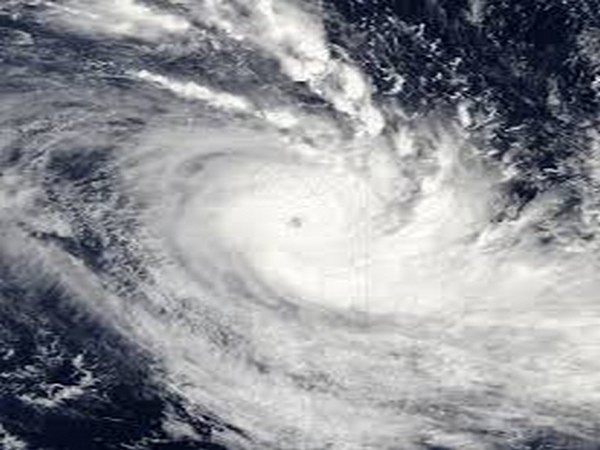
Cyclone Freddy battered central Mozambique on Sunday after making landfall for a second time in a month and breaking records for duration and strength of tropical storms in the southern hemisphere.
More than 171,000 people were affected after the cyclone swept through southern Mozambique last month, killing 27 people in Mozambique and Madagascar. More than half a million people are at risk of being affected Mozambique this time, according to the U.N. Office for the Coordination of Humanitarian Affairs (OCHA). After passing by the port town of Quelimane, the storm was continuing on inland towards the southern tip of neighbouring Malawi, satellite data showed. Communications and electricity to Quelimane have been cut.
"The wind was very strong into the night ... There is a lot of destruction, trees fallen down, roofs blown off," UNICEF chief of advocacy, communications and partnerships, Guy Taylor, told Reuters by satellite phone from Quelimane. He had no word yet on casualties or numbers of displaced, he said. "It's potentially a disaster of large magnitude, and additional support will be needed," he said, adding that heavy rains were continuing to fall.
At least one person was killed there on Saturday when his house collapsed on him as the storm swept onshore, state TV reported. Two weeks ago, 27 died when the storm first made landfall, after first being spotted near Indonesia on Feb. 6. After swirling for 35 days, Freddy is likely to have broken the record for the longest-lasting tropical cyclone, with the previous record held by a 31-day hurricane in 1994, according to the World Meteorological Organization.
It has also set a record for the highest accumulated cyclone energy, a measure of the storm's strength over time, of any southern hemisphere storm in history, according to the U.S. National Oceanic & Atmospheric Administration. Climate change is making hurricanes stronger, scientists say. Oceans absorb much of the heat from greenhouse gas emissions, and when warm seawater evaporates its heat energy is transferred to the atmosphere, fuelling more destructive storms.


 Google News