

Draft text of end plastic pollution treaty must adhere to principle of common but differentiated responsibility: Yadav
- Country:
- India
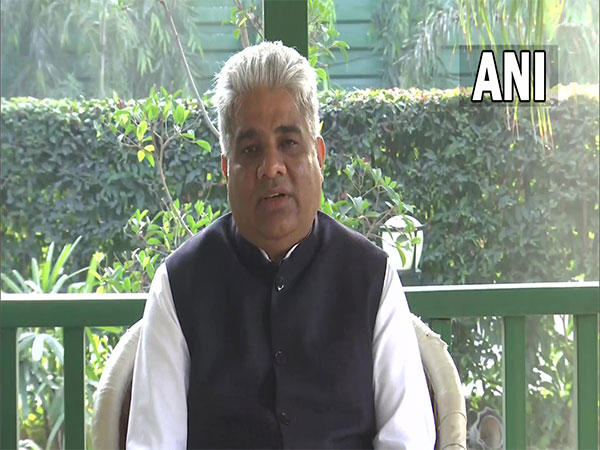
India wants that the draft text of an international treaty to end plastic pollution must adhere to the principle of common but differentiated responsibilities, Union Environment Minister Bhupender Yadav said on Monday.
The UN's Intergovernmental Negotiating Committee (INC) on Plastic Pollution held its second meeting in Paris recently as the world makes an attempt to develop a legally binding instrument to end plastic pollution.
The meeting ended with a decision that the INC secretariat should work on a zero draft and present it to the member states.
The draft text will become the basis of discussions in the third meeting of the INC to be held in Nairobi, Kenya, in November.
Addressing an event on World Environment Day, Yadav said India is constructively engaging in the intergovernmental negotiations over the draft text but is ''emphasising'' that it should adhere to the principle of common but differentiated responsibilities. Common but differentiated responsibilities is a principle that emerged from international environmental agreements. It recognises that while all countries share a common responsibility to address global environmental challenges, their responsibilities may differ based on their historical contributions to environmental issues and their current capabilities.
ALSO READ
-
ILO Report Reveals How to Bring Social Security Within Reach of Informal Workers
-
Japanese Lawmakers Visit India to See Worker Protection and Skills Projects in Action
-
Indian Unions Push for Fair Recruitment and Rights for Care Workers in Germany
-
Cleaner Kitchens, Polluted Skies: Hidden Health Cost of India’s Electricity Boom
-
Clean Cooking Takes Centre Stage as Africa Pushes to Protect Nearly a Billion Lives


 Google News