

Melting Antarctica Ice: Not much climate warming but rise in sea level
- Country:
- Philippines
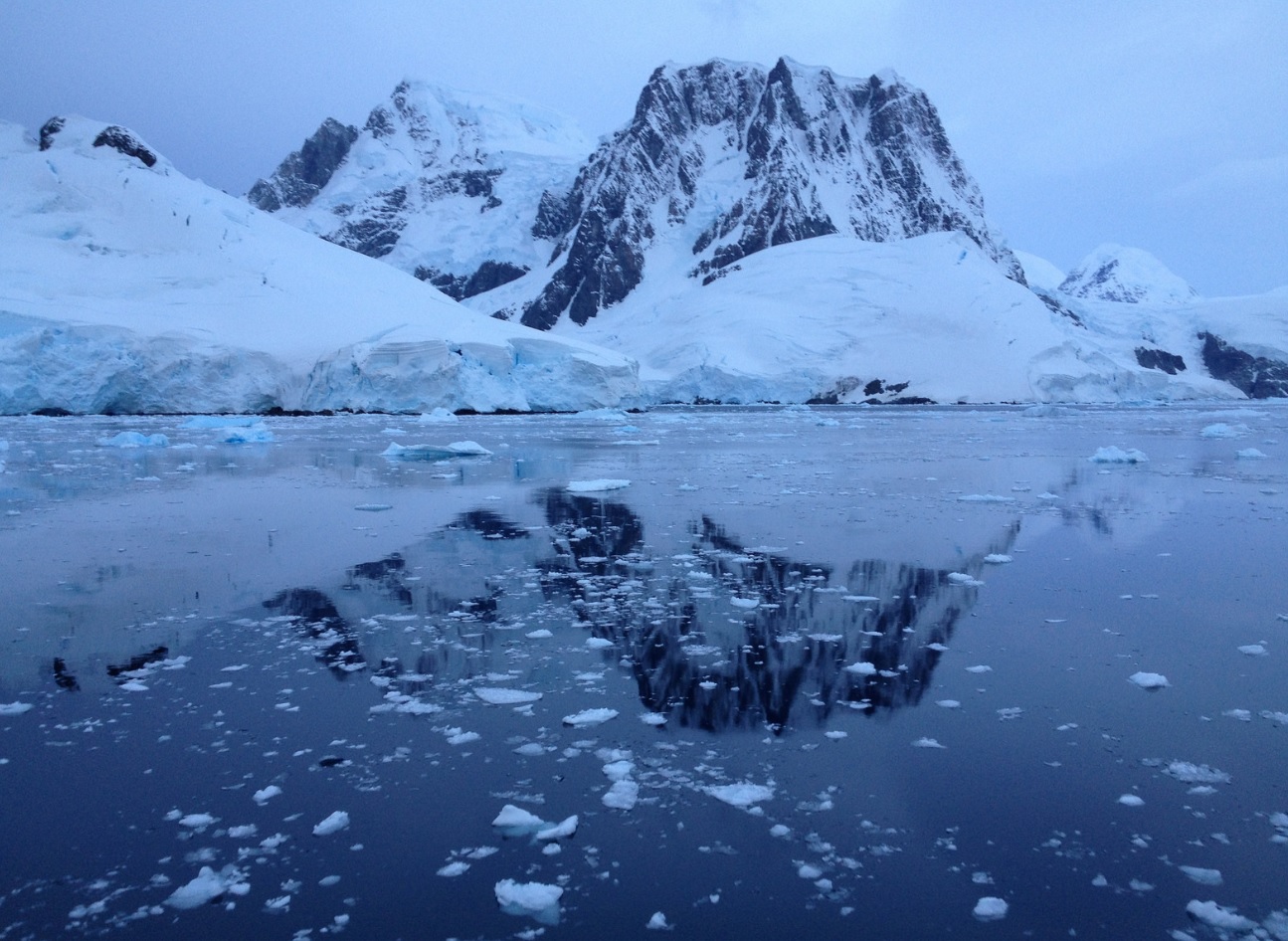
Antarctica is melting – this seems to be a concerning issue to the researchers as they are getting more into the findings to underscore the multifaceted dynamics of surface melting. A study released on Nature Climate Change's website on November 20 shows the high possibility of "top-down ice loss in Antarctica due to the warming temperature."
The recent studies by the researchers claim that the constant increase in temperature will drive Antarctica to melt and contribute to rising sea level over this century. This modeling work has been amplified by observations in recent decades in the Antarctic Peninsula region, where numerous ice shelves have broken up due to warmer air causing more surface melting.
The researchers at the University of Arizona have shown with figures claiming that warming of the atmosphere will be delayed by about a span of 10 years but the sea level with continue to rise with the melting of ice in the Antarctic landscapes. The study is the first of its kind to show how the melting of Antarctica ice sheet will further affect the future climate, as claimed by the author Ben Bronselaer of the University of Arizona.
According to Bronselaer, the entire planet will continue to warm, but the atmosphere or climate will warm at a slow speed as a majority of the heat will be trapped in the ocean. Although warming will not be as bad as fast what was earlier thought to be, the rise of sea level will bring catastrophic situations. This is because the observations have testified that the ice sheets in Antarctica are melting faster in recent years. If the melting process even continues at the same pace, the sea level could rise as much as 10 inches more than the previous estimates of approximately 30 inches by 2100.
"No one had looked at the big picture of what Antarctic ice sheet melting means for the global climate," he further added.
On the other hand, the tropical rain belt is said to be shifting toward the Northern Hemisphere, which will make it slightly wetter whereas the Southern Hemisphere will be slightly drier then due to this shift.


 Google News