

Unveiled: The Enigma of Exponential Black Hole Growth in the Early Universe
Astronomers using NASA's James Webb Space Telescope have discovered supermassive black holes, like LID-568, in the early universe. These black holes, existing just 1.5 billion years after the Big Bang, show growth rates faster than previous theoretical limits, challenging current models of black hole formation and growth.
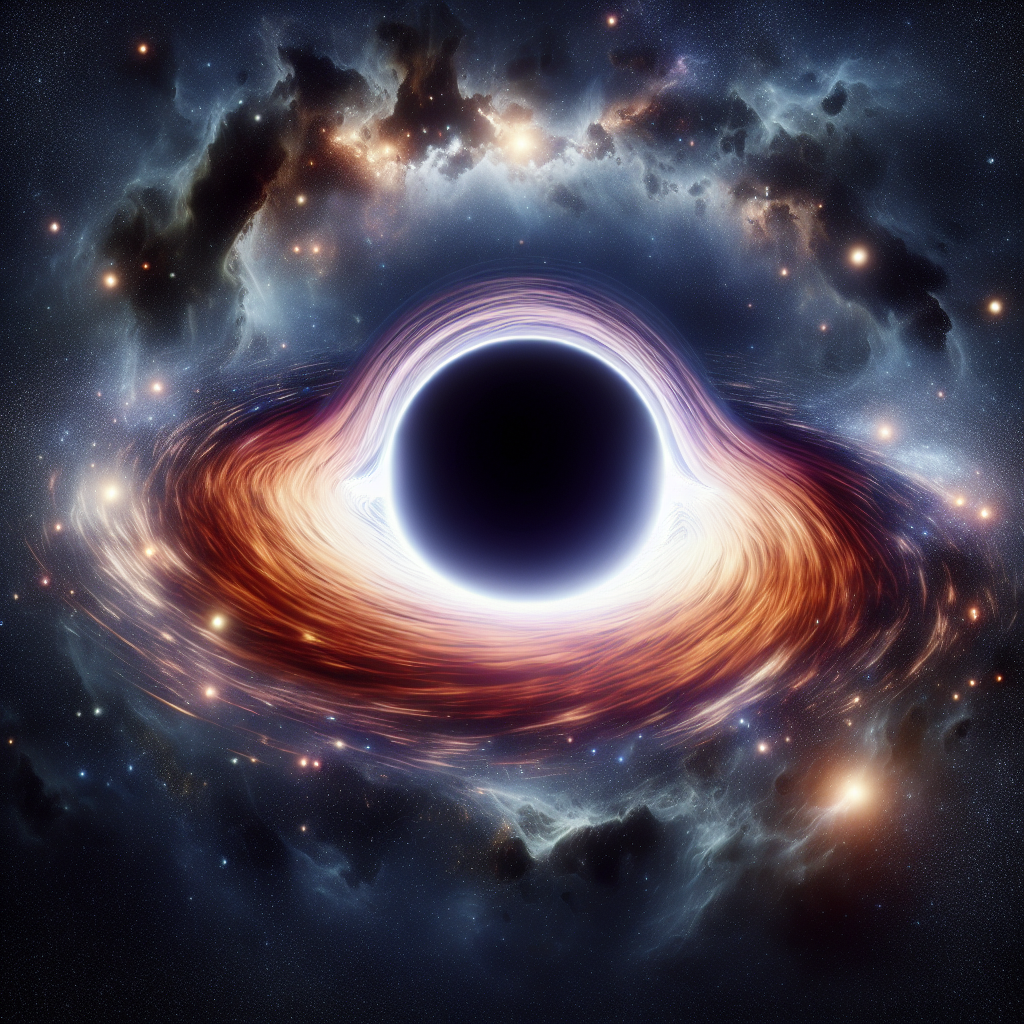
In a breakthrough for astronomical research, NASA's James Webb Space Telescope has unveiled unexpected findings about supermassive black holes. Such objects, astonishingly massive by nature, have been found existing in the universe much earlier than previously assumed.
The scrutiny focused on a particular black hole, LID-568, which existed a mere 1.5 billion years after the Big Bang. This entity is swallowing surrounding material at rates defying current theoretical models. Researchers have noted it is acquiring mass more than 40 times the accepted limits.
The discovery raises questions about the origins and growth mechanisms of these cosmic phenomena, with astronomers calling for further observations. Notably, LID-568's extreme growth potential challenges existing scientific paradigms, with subsequent studies planned to delve deeper into these mysteries.


 Google News