

From Microplastics to Mortality: Understanding Modern Health Risks
Microplastics are linked to antibiotic-resistant bacteria; a study shows plants oils may reduce mortality risk compared to butter; and wildfire pollution worsens acne. These discoveries highlight environmental and dietary factors as significant health influences, urging modified practices for better health outcomes.
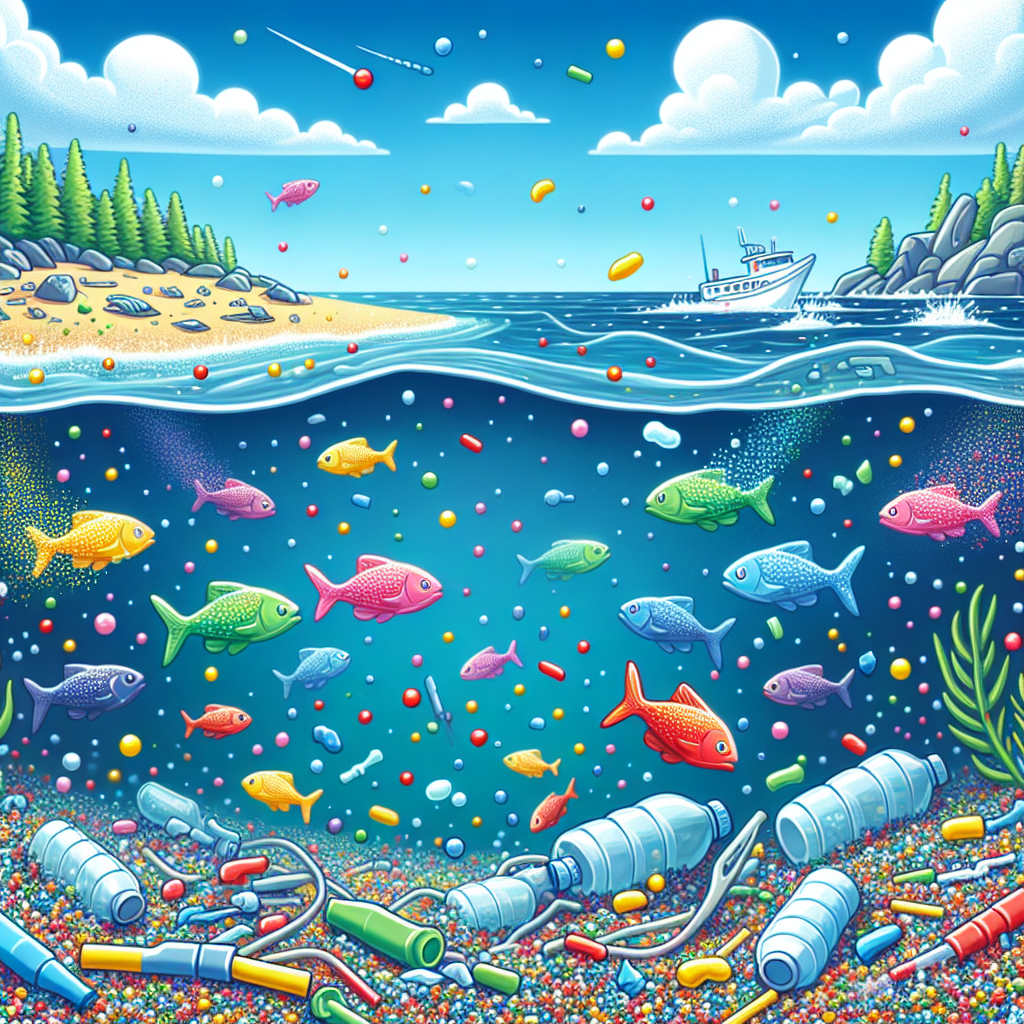
A groundbreaking study from Boston University reveals that microplastics, prevalent in our environment, are contributing to antibiotic resistance by aiding bacteria in forming protective biofilms. E. coli exposure to these microplastics results in resistance to various antibiotics. The implications are grave for densely populated areas where plastics accumulate rapidly, leading to potential health crises.
In parallel health developments, recent findings presented at the American Heart Association indicate that substituting butter with plant-based oils significantly lowers mortality risks. A long-term study of health professionals showed a notable reduction in death rates tied to lower butter consumption, emphasizing the benefits of dietary shifts.
On another front, San Francisco doctors have linked wildfire smoke exposure to increased acne issues. The rise in pediatric and adult acne clinic visits post-California's 2018 Camp Fire suggests environmental pollutants like smoke are exacerbating skin conditions, adding to the list of ecological health concerns.


 Google News