

Cracking the Code: Enhancing TB Treatment by Targeting Bacterial Membranes
Researchers at IIT Bombay and Monash University have discovered that tuberculosis bacteria resist antibiotics by altering their fatty outer membrane. By targeting this membrane, existing TB treatments could become more effective. This approach could shorten treatment duration and improve outcomes for millions affected globally.
- Country:
- India
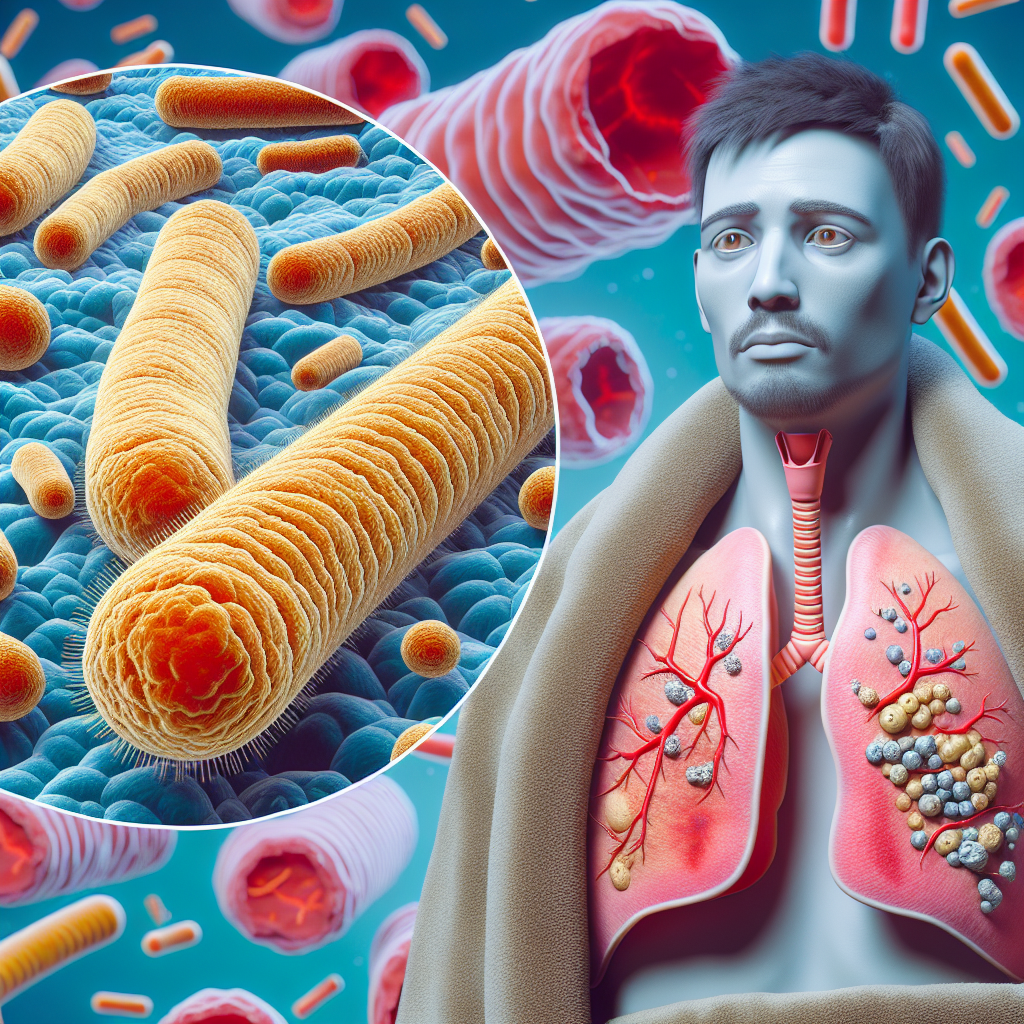
A groundbreaking study by researchers at the Indian Institute of Technology (IIT) Bombay and Monash University has revealed why tuberculosis bacteria manage to resist antibiotics. The study found that the bacteria alter the fatty outer layer of their cell wall, which aids in their resistance against current treatments.
This discovery shines new light on tuberculosis (TB), a disease that has plagued humans for over a century. In 2023, it was estimated that 10.8 million people contracted TB, while 1.25 million succumbed to it. With India bearing a large portion of the burden—over 2.6 million cases recorded in 2024—targeting the bacteria's outer membrane could be pivotal in combating the disease.
“Our research shows that focusing on weakening the bacteria's protective lipid membrane may enhance the efficacy of existing drugs,” said Prof Shobhna Kapoor. This strategy could potentially reduce the need for lengthy six-month treatment courses and address the issue of dormant bacteria that survive after the initial phase of treatment, thus paving the way for more effective TB eradication strategies.


 Google News