

IAEA launches global project to improve CT-based prostate cancer contouring with AI
“By integrating clinical expertise with advanced AI solutions, this project aims to support more consistent, high-quality prostate cancer treatment worldwide,” Salem said.
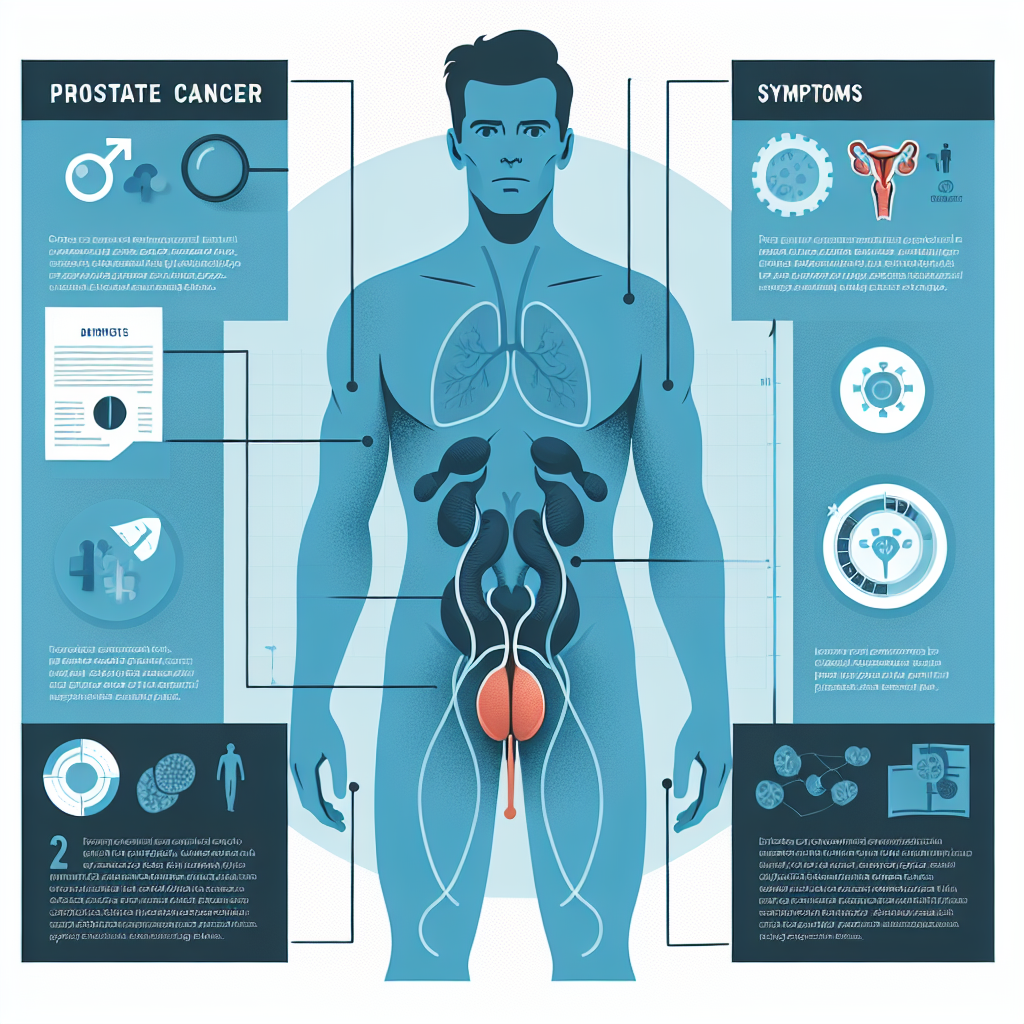
The International Atomic Energy Agency (IAEA) has launched a year-long coordinated research project (CRP) aimed at strengthening computed tomography (CT)-based contouring guidelines for prostate cancer — a critical step in radiation therapy planning that directly influences treatment precision and patient outcomes. As part of this initiative, international researchers will also develop and validate an automated, artificial intelligence (AI)-driven contouring tool tailored to real-world clinical settings, particularly in low- and middle-income countries (LMICs).
Prostate cancer remains a major global health burden. In 2022 alone, nearly 1.5 million new cases were diagnosed worldwide, with approximately 400 000 deaths attributed to the disease. It ranks as the fourth most common cancer overall and the eighth leading cause of cancer-related mortality. Among men, prostate cancer is the second most frequently diagnosed cancer and the fifth leading cause of cancer deaths. Demographic shifts, including longer life expectancy and ageing populations, are expected to further increase incidence rates. Projections indicate that by 2050, more than 1.37 million new cases will occur in low- and middle-income countries alone, intensifying the need for accessible and high-quality treatment solutions.
For men with non-metastatic prostate cancer, radiation therapy is a cornerstone of curative treatment. However, accurate radiation delivery depends heavily on high-quality medical imaging and precise contouring of the prostate gland and surrounding tissues. According to May Abdel-Wahab, Director of the IAEA Division of Human Health, significant global disparities persist in access to advanced imaging technologies. Data from the Lancet Oncology Commission on Medical Imaging and Nuclear Medicine show that in low-income countries, a single magnetic resonance imaging (MRI) scanner serves an average population of 5.6 million people, compared with one scanner per 145 000 people in middle-income countries.
While MRI offers superior soft tissue contrast and is ideal for prostate cancer delineation, its limited availability in resource-constrained settings poses major challenges. In contrast, CT scanners are far more widely available, with approximately three times as many CT units as MRI machines in low- and middle-income countries. As a result, most radiotherapy planning in these regions continues to rely primarily on CT imaging.
"These imaging constraints have a direct impact on contouring quality," Abdel-Wahab explained. "Inferior soft tissue contrast on CT makes it more difficult to accurately delineate the prostate and surrounding structures, which can compromise treatment precision."
Seungtaek Choi, Professor of Genitourinary Radiation Oncology at the University of Texas MD Anderson Cancer Center — an IAEA Collaborating Centre in Human Health — highlighted the clinical implications of this challenge. Inconsistent or overestimated contouring volumes can lead to variability between clinicians, reduced targeting accuracy, and potentially poorer patient outcomes, including increased toxicity to healthy tissues.
To address these gaps, the IAEA is partnering with leading cancer institutes worldwide, including MD Anderson Cancer Center and Rays of Hope Anchor Centres, to develop standardized CT-based contouring guidelines specifically adapted to resource-limited environments. The guidelines will cover both prostate and pelvic lymph node contouring and reflect the practical realities faced by radiotherapy services in LMICs.
Under the CRP, participating experts will also collaborate on the design, training, and testing of a dedicated AI-based contouring tool. According to Soha Salem, IAEA radiation oncologist and primary investigator of the project, the combined approach of evidence-based guidelines and AI support is expected to significantly reduce inter-observer variation, improve contouring accuracy, and enhance operational efficiency in radiotherapy departments.
"By integrating clinical expertise with advanced AI solutions, this project aims to support more consistent, high-quality prostate cancer treatment worldwide," Salem said. "Ultimately, this will help improve outcomes for patients who currently face systemic limitations in access to optimal imaging and planning technologies."
The CRP is open to research institutions from all IAEA Member States. Interested organizations must submit their proposals for a Research Contract or Agreement by 15 February 2026 to the IAEA's Research Contracts Administration Section, using the appropriate template available on the Coordinated Research Activities (CRA) web portal. The IAEA strongly encourages the inclusion of women and early-career researchers in project proposals, reinforcing its commitment to equity and capacity building in global cancer care.


 Google News