

Govt Urges North Island Residents to Put Safety First as Severe Weather Returns
“Emergency services and Government agencies are working together to support locally-led response efforts,” Mr Mitchell said.
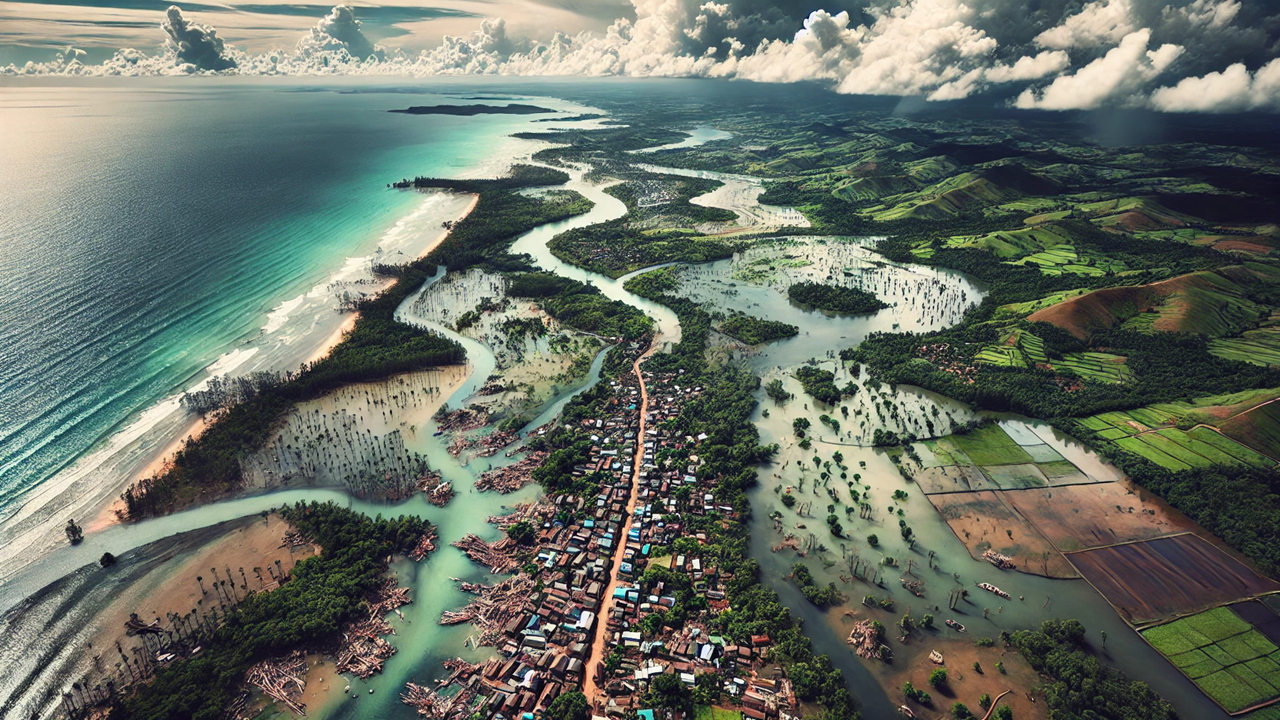
- Country:
- New Zealand
The Government is urging people across the North Island to prioritise safety as another dangerous period of severe weather hits, less than a month after the tragic storms of last month and three years on from Cyclone Gabrielle's devastating impact in 2023.
Severe weather warnings are currently in force across multiple regions, with flooding already claiming one life overnight in South Waikato — a stark reminder of how quickly conditions can turn deadly.
Minister for Emergency Management and Recovery Mark Mitchell says the Government is moving swiftly to support communities, many of which are still rebuilding after recent disasters.
"Emergency services and Government agencies are working together to support locally-led response efforts," Mr Mitchell said.
"NZYDF, Fire and Emergency, Police, St John, and Health NZ have assets pre-positioned in Tairāwhiti, ensuring rapid support can be deployed where it is needed most."
Coordinated National Response Underway
The Government is backing local Civil Defence groups as they prepare for another challenging response period.
"We are getting in behind local Civil Defence teams as they face another gruelling event, and the Government is ready to surge additional assistance anywhere it is required," Mr Mitchell said.
New Zealand's emergency management system is built around locally-led response, supported by national coordination and the ability to mobilise resources quickly — an approach strengthened significantly since Cyclone Gabrielle.
Innovation in Preparedness and Rapid Deployment
Mr Mitchell highlighted the unique advances in emergency readiness, including the pre-positioning of response assets and expanded use of Emergency Mobile Alerts.
"A number of Emergency Mobile Alerts have already been issued, but people should stay informed through multiple channels — local Civil Defence Groups, MetService updates, NZTA travel advisories, and radio broadcasts."
This multi-channel communication strategy is designed to ensure communities receive timely, life-saving information even during power outages or network disruption.
Public Safety Message: Don't Take Any Chances
The Minister stressed that the most important priority is personal safety.
"What's most important right now is that you keep yourself and your loved ones safe. Take these warnings seriously and don't take any chances."
Key safety advice includes:
-
Never drive, walk, or swim through floodwaters
-
Move to higher ground immediately if waters rise — don't wait for an alert
-
Avoid non-essential travel under severe weather warnings
-
Remain alert to landslide risks, particularly in steep or saturated areas
"We are tragically all too aware of the risks landslides pose. Stay alert for warning signs and leave immediately if you feel unsafe," Mr Mitchell said.
Communities Still Recovering
Many North Island towns remain vulnerable after repeated storms, ongoing clean-up operations, and infrastructure strain. The Government acknowledges the cumulative toll on residents and emergency workers.
"This is another tough moment for communities already carrying the burden of recent events," Mr Mitchell said.
Further Information and Preparedness Resources
People are encouraged to prepare now and follow official guidance:
-
Storm safety: Storms — Get Ready (NZ Civil Defence)
-
Landslide safety: Landslides — Get Ready (NZ Civil Defence)


 Google News