

Crisis in Peer Review: Academic Publishing's Struggle for Integrity
The peer review system, essential for maintaining trust in academic publishing, is under severe strain. A study of Australian journals reveals a systemic crisis: finding qualified reviewers is challenging, leading to delays and potentially valuable research being unpublished. Solutions like paying reviewers are proposed but difficult to implement.
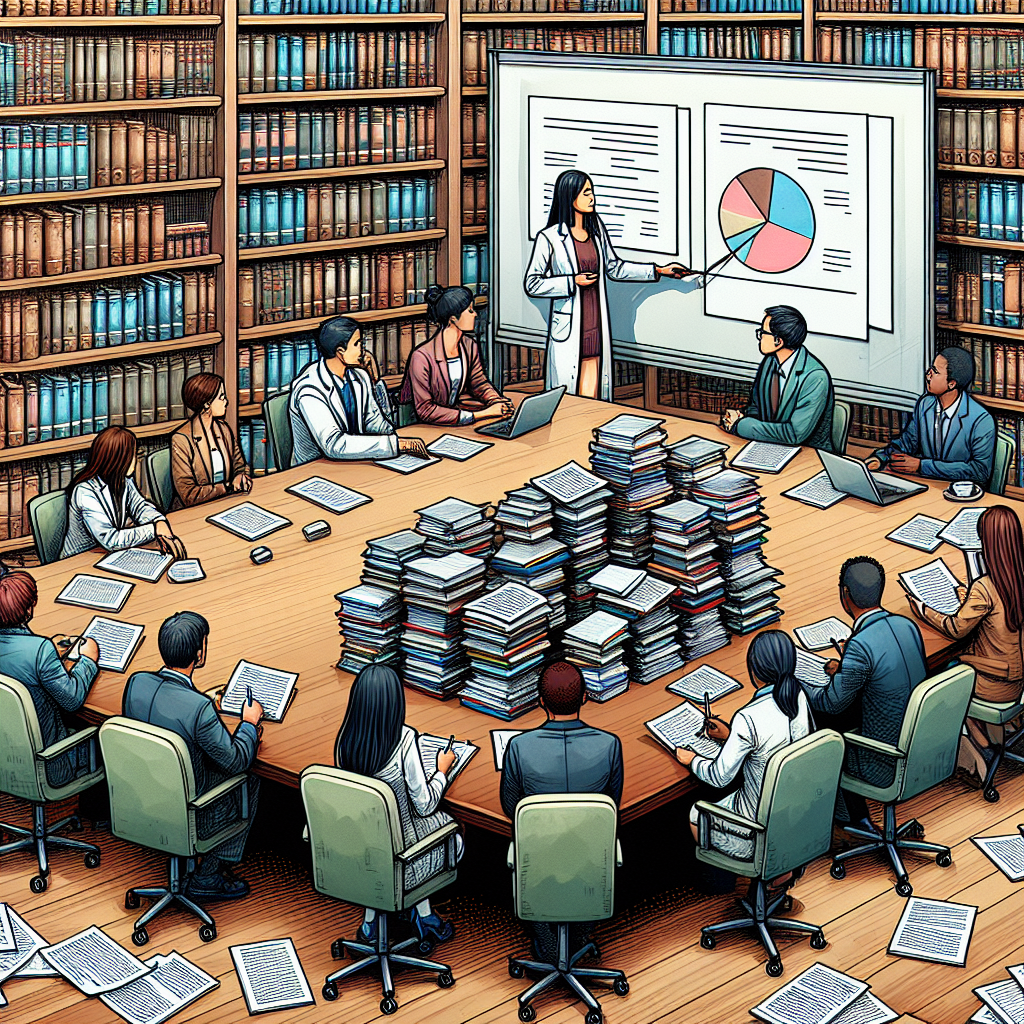
A comprehensive study conducted by Australian researchers reveals a systemic crisis in peer review, the backbone of academic publishing. With 55% of journal editors struggling to find qualified reviewers, the publication of quality research is at risk, and the voluntary nature of peer review is being scrutinized.
Finding willing reviewers has become increasingly tough, with editors often needing to send as many as 30 invitations to secure just two responses. Researchers are overburdened by the growing demands of quantity and quality in their work, and universities often exclude reviewing duties from recognized workloads, exacerbating the issue.
While editors explore workarounds like utilizing databases or running training workshops, the sustainability of scholarly publishing remains uncertain. Proposed solutions such as compensating reviewers face implementation challenges amidst a metric-driven academic culture. Without systemic change, the lack of recognized peer review threatens research integrity globally.


 Google News