

SA Advances Next-Generation Flood Forecasting Systems with AI and Open-Source Frameworks
Experts agreed that combining multiple forecasting models — rather than relying on a single system — offers a more robust and reliable approach for the complex hydrological conditions across South Asia.
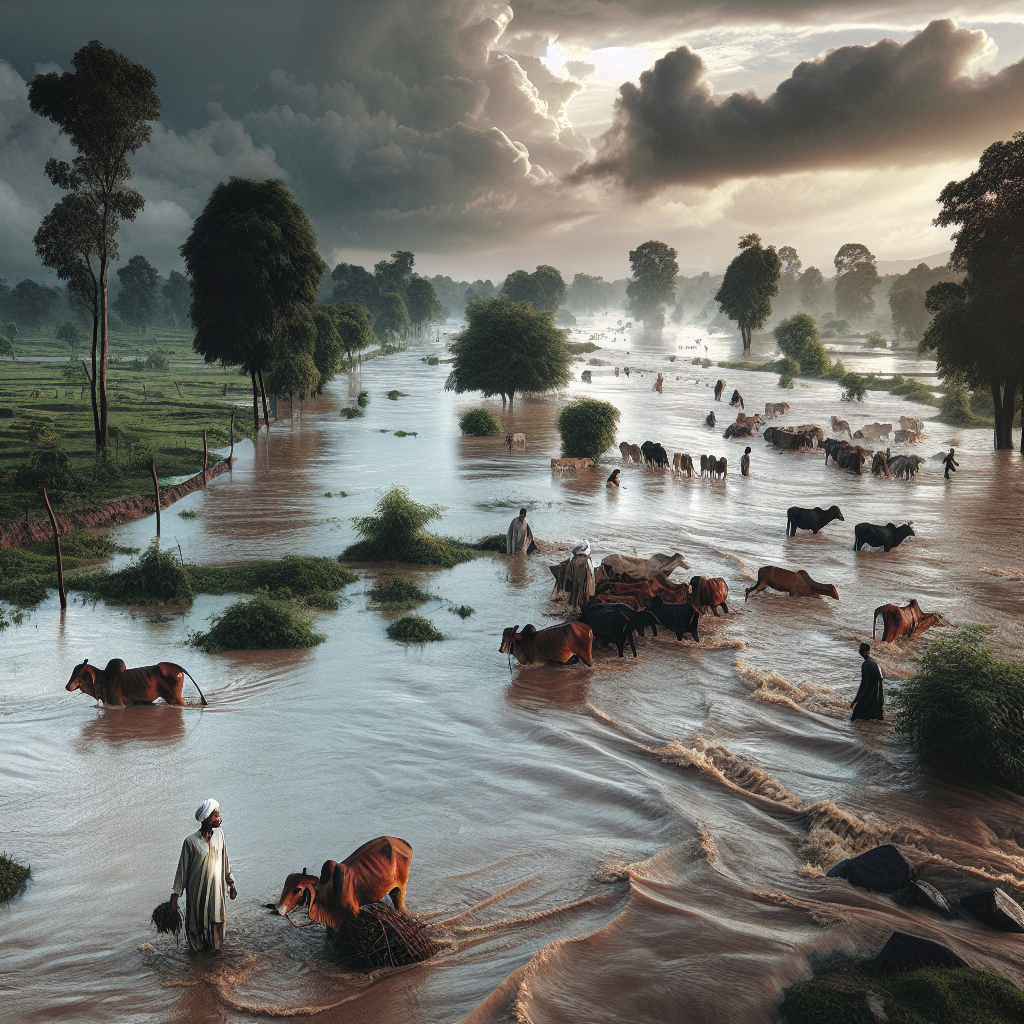
In a significant step toward strengthening disaster resilience across South Asia, the South Asia Hydromet Forum (SAHF) Working Group on Hydrology convened its second meeting, bringing together regional experts and policymakers to accelerate innovation in flood forecasting and early warning systems.
The high-level meeting gathered delegates from Bangladesh, Bhutan, India, Maldives, Myanmar, Nepal, Pakistan, and Sri Lanka, alongside technical experts from global institutions including the World Meteorological Organization (WMO), the Regional Integrated Multi-Hazard Early Warning Systems (RIMES), and leading meteorological agencies and academic bodies.
Focus on Modernizing Flood Forecasting Systems
Building on earlier discussions held in July 2025 and aligned with the CREWS South Asia project, the meeting focused on the future of the Flash Flood Guidance System (FFGS) and the transition toward more advanced, open-source, interoperable, and scalable flood forecasting frameworks.
Participants emphasized the urgent need to modernize forecasting tools to better respond to increasing climate risks, particularly the growing frequency and intensity of flash floods in the region.
AI and Multi-Model Approaches Take Center Stage
Opening the session, Dr. Mrutyunjay Mohapatra, Chair of the SAHF Executive Council and Director General of the India Meteorological Department, highlighted the importance of multi-model ensemble approaches in improving forecast accuracy. He also pointed to the transformative potential of Artificial Intelligence (AI) and Machine Learning (ML) in:
-
Enhancing predictive accuracy
-
Integrating diverse data sources
-
Converting unstructured, crowdsourced information into actionable insights
Experts agreed that combining multiple forecasting models — rather than relying on a single system — offers a more robust and reliable approach for the complex hydrological conditions across South Asia.
WMO Introduces New Flood Forecasting Framework
A major highlight of the meeting was the introduction of the Flood Forecasting Framework (FFF) by WMO, a next-generation system designed to revolutionize flood prediction capabilities.
The framework proposes a modular, distributed architecture that integrates multiple data streams and delivers tailored outputs for different users — from local authorities to national disaster agencies.
Key principles underpinning the framework include:
-
Interoperability
-
Open-source design
-
Sustainability
-
Member-driven development
-
User-centric outputs
The FFF is designed to operate across scales — from small river basins to national systems — and adapt to different types of flooding scenarios. A formal concept note is expected to be submitted for approval at the WMO Congress by the end of 2026.
Country Innovations Showcase Regional Progress
The meeting also featured presentations highlighting cutting-edge national initiatives:
Bangladesh has implemented a multi-model flash flood forecasting system, combining:
-
Tank Hydrological Models (up to 15-day lead time)
-
WRF-Hydrology (up to 3-day lead time)
-
Rainfall threshold-based forecasting
This system is operational at the Flood Forecasting and Warning Center (FFWC), offering a layered approach tailored to varying forecasting horizons.
Pakistan and Afghanistan, with support from Indonesia's BMKG, are piloting the Ensemble Framework for Flash Flood Forecasting (EF5) — an open-source, physics-based system developed by NOAA and the University of Oklahoma. The framework integrates advanced precipitation data and can generate forecasts up to 10 days in advance, while also assessing landslide risks.
India is exploring advanced hybrid systems, including a model combining EF5 with Triton, a GPU-based hydrodynamic model, using high-resolution meteorological data to improve predictive capabilities.
Transition Challenges and Strategic Direction
While new technologies show strong promise, participants acknowledged that transitioning from existing systems like FFGS will require:
-
Significant technical and operational investment
-
Strengthened data sharing mechanisms across countries
-
Capacity building for national institutions
-
Rigorous testing and validation of new models
The consensus was clear: a multi-model, integrated approach is best suited to the region's diverse hydrological challenges.
Key Recommendations and Way Forward
The meeting concluded with a set of strategic recommendations for the SAHF Executive Council, including:
-
Endorsing the WMO Flood Forecasting Framework
-
Continuing support for existing FFGS operations during transition
-
Mobilizing additional funding for pilot projects
-
Strengthening regional cooperation and data integration systems
Strengthening Climate Resilience Across South Asia
As climate change intensifies extreme weather events, improving early warning systems is becoming a critical priority for South Asia — one of the most disaster-prone regions in the world.
The SAHF meeting underscores a broader shift toward technology-driven, collaborative, and data-centric approaches to disaster risk management. By integrating AI, open-source tools, and regional cooperation, countries aim to significantly enhance their ability to predict, prepare for, and respond to floods.
The outcomes of this meeting are expected to shape the next generation of flood forecasting systems in South Asia — potentially saving lives, protecting livelihoods, and strengthening resilience across millions of vulnerable communities.
ALSO READ
-
OceanEye Alliance Secures Pledges to Close Critical Gaps in Ocean Observations
-
El Niño Health Alarm: Rising Heat, Floods and Hunger Put Communities on High Alert
-
Climate Data Gaps Leave Communities Searching for Clear Answers to Growing Local Risks
-
Pacific Leaders Back Stronger Early Warnings as Cascading Hazards Threaten Islands


 Google News