

NOAA Forecasts Below-Normal Atlantic Hurricane Season for 2026 Amid El Niño Influence
Meteorologists say one of the key reasons behind the lower forecast is the expected development and strengthening of El Niño conditions during the hurricane season.
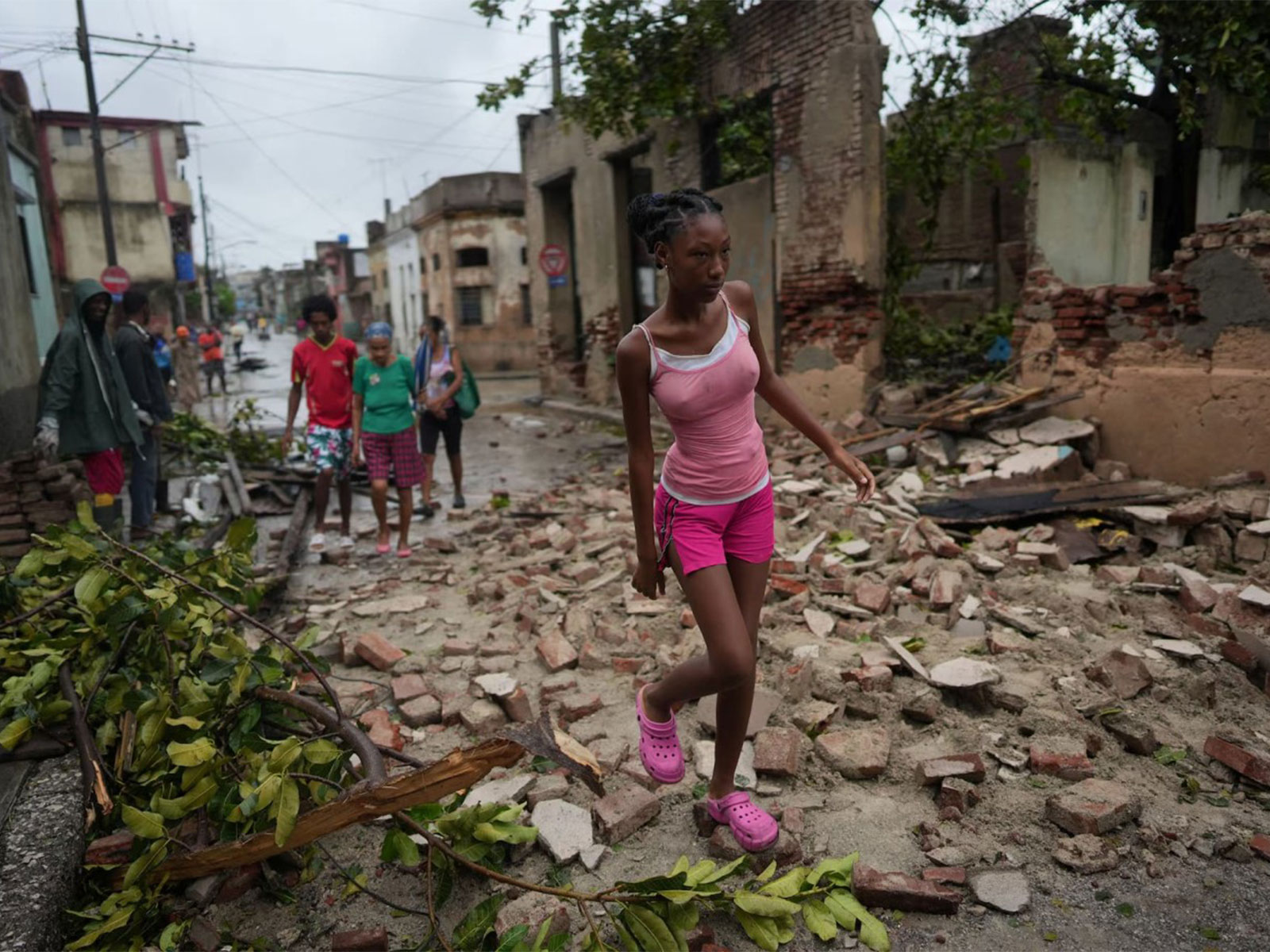
The United States National Oceanic and Atmospheric Administration (NOAA) has predicted a below-normal Atlantic hurricane season for 2026, though weather experts continue to warn that even a single powerful storm can cause catastrophic destruction and major economic losses.
According to NOAA's latest seasonal outlook, there is a 55 percent chance of a below-normal hurricane season, a 35 percent chance of a near-normal season, and only a 10 percent probability of above-normal activity in the Atlantic basin this year.
Forecasters estimate that the season could produce between 8 and 14 named storms, of which 3 to 6 may strengthen into hurricanes. Among those hurricanes, 1 to 3 are expected to become major hurricanes classified as Category 3, 4, or 5, with winds exceeding 178 kilometres per hour (111 miles per hour).
NOAA stated it has approximately 70 percent confidence in these projections.
El Niño Expected to Reduce Hurricane Activity
Meteorologists say one of the key reasons behind the lower forecast is the expected development and strengthening of El Niño conditions during the hurricane season.
El Niño, a natural climate phenomenon linked to warming ocean temperatures in the Pacific Ocean, typically increases upper-level winds over the Atlantic. These stronger winds disrupt storm formation and make it more difficult for tropical cyclones to develop and intensify.
However, NOAA warned that competing climate conditions could still support dangerous storms.
Atlantic Ocean temperatures are forecast to remain slightly above average, while weaker trade winds could create favourable conditions for hurricane formation despite El Niño's suppressing effect.
This combination of opposing climate influences is creating uncertainty around how active the season may ultimately become.
Experts Warn Against Complacency
Despite the below-normal forecast, global weather and disaster experts stressed that communities should not lower their guard.
World Meteorological Organization (WMO) Secretary-General Celeste Saulo warned that tropical cyclone risks continue to grow due to climate change, population expansion in coastal areas, and increasing infrastructure vulnerability.
She emphasized that it only takes one major storm making landfall to reverse years of development and trigger devastating humanitarian and economic consequences.
NOAA's National Weather Service Director Ken Graham also urged residents in vulnerable areas to review emergency preparedness plans early, warning that even a quieter season can still produce deadly storms.
Experts say hurricane outlooks are based on overall seasonal activity and do not predict where storms may strike.
Advanced Technology Improving Forecast Accuracy
NOAA officials highlighted that advances in technology are helping improve hurricane forecasting and emergency preparedness.
NOAA Administrator Neil Jacobs said the agency is increasingly using:
-
Artificial intelligence-based weather models
-
Advanced satellite systems
-
Drone technology
-
High-resolution forecasting tools
These technologies, combined with experienced meteorologists at the National Weather Service, are expected to provide more accurate and timely warnings for communities at risk.
Improved forecasting has become one of the most important tools for reducing deaths from hurricanes and tropical cyclones worldwide.
2025 Hurricane Melissa Highlighted Growing Risks
The importance of preparedness was demonstrated dramatically during the 2025 Atlantic hurricane season, particularly by Hurricane Melissa, which became the strongest storm ever recorded to make landfall in Jamaica.
Melissa reached Category 5 intensity on the Saffir-Simpson Hurricane Wind Scale, producing sustained winds near 200 kilometres per hour along with even stronger gusts.
The storm caused widespread destruction across Jamaica, Haiti, and neighbouring island nations, leading to more than 90 deaths.
Economic losses in Jamaica alone were estimated at approximately US$12.2 billion — more than half of the country's gross domestic product.
Despite the unprecedented scale of the disaster, Jamaican authorities received praise for their effective preparedness measures, including advanced risk modelling, emergency planning, and early warning systems that helped reduce casualties.
Jamaica's Meteorological Service was widely recognized for providing timely and accurate forecasts before the storm's landfall.
Hurricane Season Officially Begins in June
The Atlantic hurricane season officially runs from 1 June to 30 November each year.
During this period, meteorological agencies across the world closely monitor tropical systems developing over the Atlantic Ocean, Caribbean Sea, and Gulf of Mexico.
The World Meteorological Organization coordinates international hurricane monitoring through its Tropical Cyclone Programme, while the US National Hurricane Center serves as the Regional Specialized Meteorological Center for the Atlantic basin.
WMO also manages the rotating lists of tropical cyclone names used each season to improve public awareness and communication during storm events.
Pacific Ocean Expected to See More Activity
While NOAA expects a quieter Atlantic season, forecasts for the eastern and central Pacific hurricane basins are more active.
Meteorologists predict above-average cyclone activity in the Pacific regions due to warmer ocean temperatures and changing atmospheric conditions.
This highlights how global climate systems can influence storm activity differently across ocean basins.
Climate Change Increasing Economic Losses
Although global fatalities from tropical cyclones have fallen dramatically in recent decades thanks to better forecasting and disaster preparedness, economic losses from storms continue to rise.
According to WMO data, tropical cyclones were the leading cause of reported disaster-related human and economic losses worldwide between 1970 and 2021.
However, improved early warning systems and disaster management significantly reduced cyclone-related deaths from more than 350,000 during the 1970s to fewer than 20,000 between 2010 and 2019.
At the same time, reported economic losses during 2010–2019 reached approximately US$573.2 billion.
Experts say increasing urbanization, coastal development, and stronger weather extremes linked to climate change are contributing to rising financial damage.
Early Warning Systems Remain Critical
The World Meteorological Organization and its international partners continue to prioritize early warning systems as part of the global "Early Warnings for All" initiative, especially in vulnerable small island developing states.
The initiative aims to ensure all people worldwide have access to life-saving early warning systems by the end of the decade.
Weather experts stress that regardless of seasonal forecasts, preparation remains essential because a single hurricane can still trigger catastrophic humanitarian, environmental, and economic consequences.
ALSO READ
-
Cabo Verde Backs Early Warning Roadmap After Gonzalo Floods Hit Coastal Communities
-
El Niño Health Alarm: Rising Heat, Floods and Hunger Put Communities on High Alert
-
Somalia Faces Deepening Hunger as Flood Threat Puts Lives and Farms at Risk
-
Asia’s Growth Slows to 5% as Energy Shocks and El Niño Put Regional Recovery at Risk
-
El Niño Is Coming Into a Hotter World, Raising the Stakes for Global Food Security


 Google News