

T-Rex Mysteries, Blue Origin Setback, and Ancient Wasps: A Journey Through Time and Space
The Tyrannosaurus rex, noted for its massive skull and tiny arms, evolved these traits as prey grew larger. Blue Origin's New Glenn rocket exploded, hindering its competition with SpaceX. A new wasp species is named after F1's Oscar Piastri, and Tylosaurus rex, a marine meat-eater, shows how dinosaurs ruled sea and land.
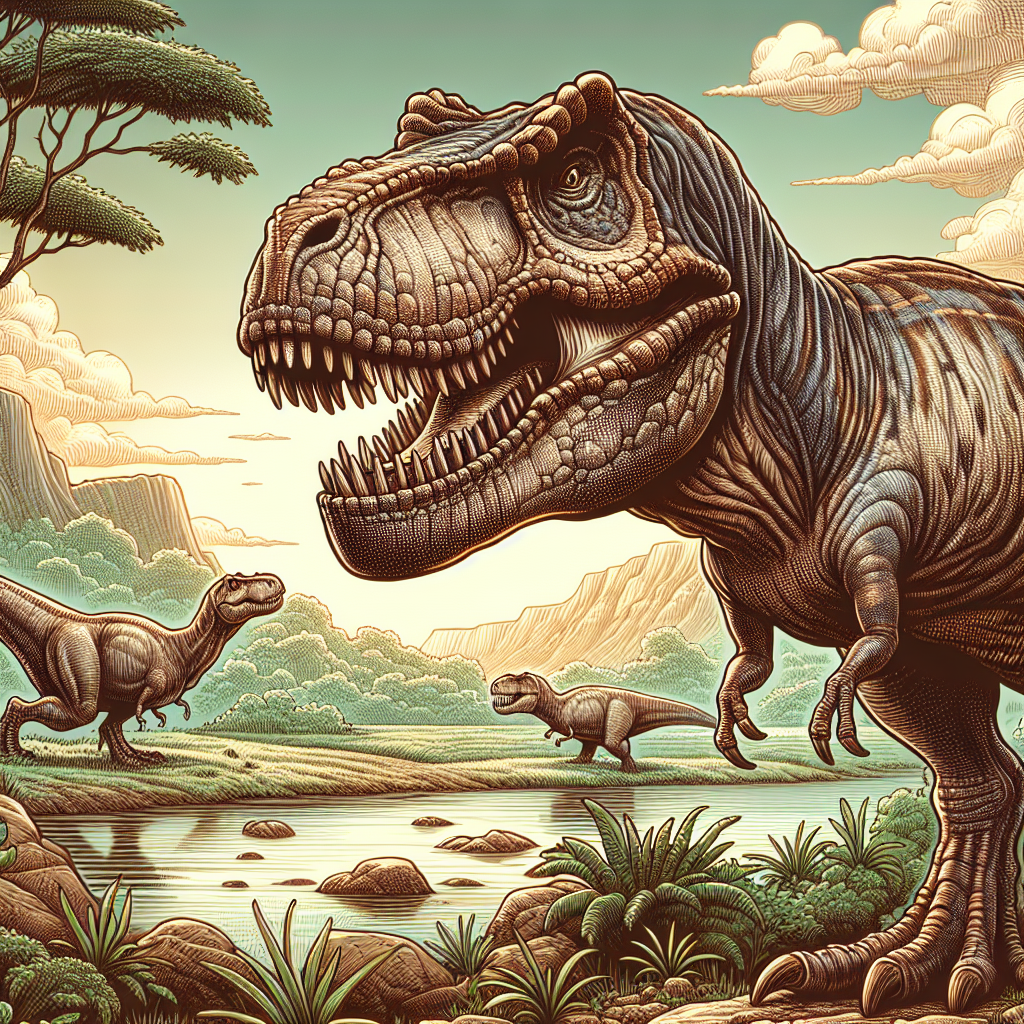
The notoriously massive skull and small arms of the Tyrannosaurus rex evolved in response to increasing prey size, researchers have found. This evolutionary path emerged soon after dinosaurs dominated Earth's landscape, showcasing nature's balance between predatory power and anatomical adaptation.
Blue Origin faced a significant setback as its uncrewed New Glenn rocket exploded on a Florida launchpad, a blow to Jeff Bezos' ambitions of rivaling Elon Musk's SpaceX. The event was captured on video, showing a decisive moment that complicates Blue Origin's competitive trajectory in the space race.
A fossil discovery in Burmese amber has led to a wasp species being named after Formula One driver Oscar Piastri, highlighting the intersection of paleontology and cultural figures. Alongside, the marine predator Tylosaurus rex stands as a testament to prehistoric marine dominance, akin to its terrestrial counterpart the T-Rex.


 Google News