

Global Study Warns Ocean Acidification Threatens Seafood Supply
As oceans absorb increasing amounts of carbon dioxide from the atmosphere, seawater becomes more acidic, creating difficult conditions for many marine species to survive and grow.
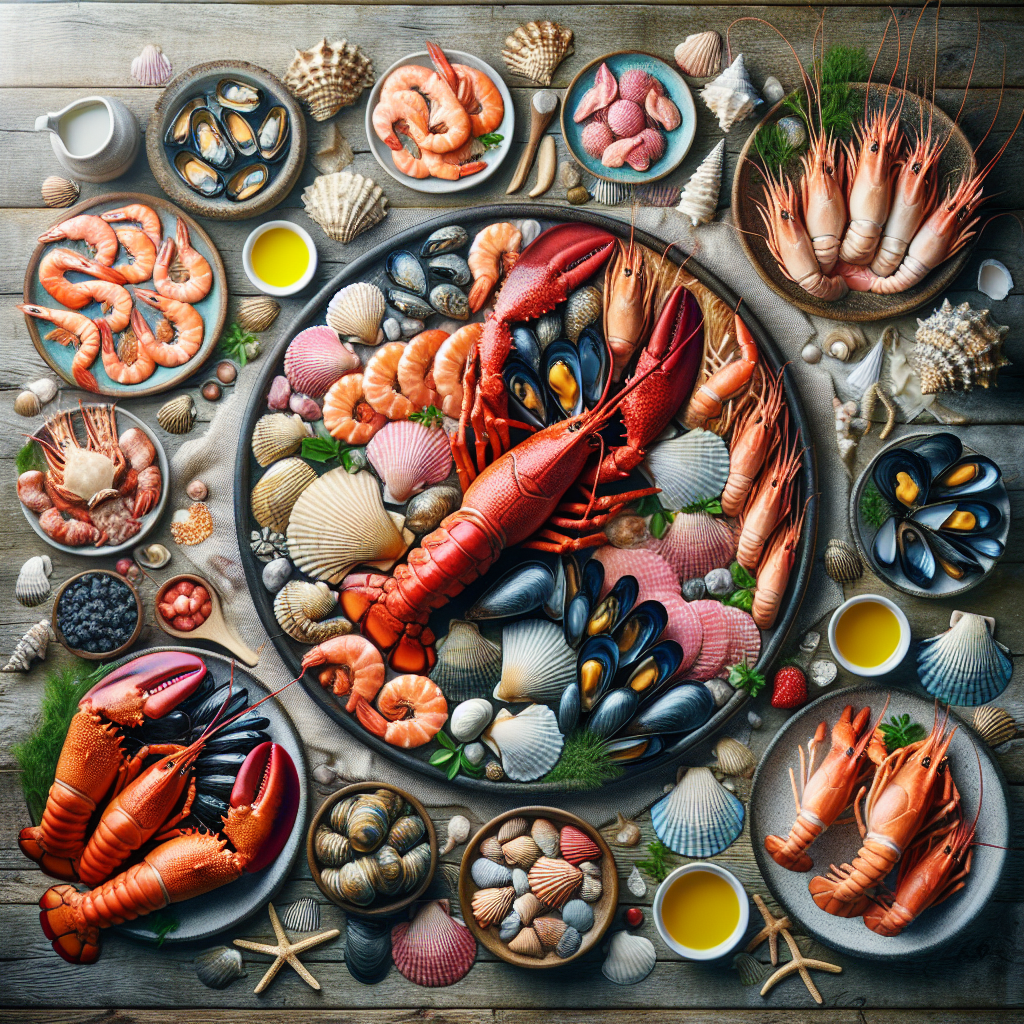
A major international research effort has highlighted the growing threat ocean acidification poses to seafood production, providing new scientific evidence to help countries protect marine resources and strengthen food security in a changing climate.
Led by the International Atomic Energy Agency (IAEA), the five-year project brought together scientists from 14 countries to examine how rising carbon dioxide levels are altering ocean chemistry and affecting seafood species that millions of people depend on for food and income.
Scientists Build Global Picture of Ocean Change
As oceans absorb increasing amounts of carbon dioxide from the atmosphere, seawater becomes more acidic, creating difficult conditions for many marine species to survive and grow. To better understand these impacts, the IAEA launched a Coordinated Research Project in 2019 that focused on commercially important species such as oysters, mussels, shrimp and fish.
Researchers from countries across five continents followed a shared scientific protocol, allowing data from different regions to be combined into one comprehensive global assessment. The study examined how acidifying waters influence growth, survival rates and even seafood quality, including changes in taste and texture.
IAEA Marine Environment Laboratories Director Florence Descroix-Comanducci said the project moved researchers beyond isolated observations and provided a clearer global understanding of how ocean acidification is affecting marine ecosystems and seafood production.
Research Strengthens National Capacity
The initiative delivered benefits beyond scientific findings by helping countries improve their research capabilities and monitoring systems. Specialized ocean acidification laboratories were established in Türkiye and Cuba, while Argentina introduced new monitoring stations to track changes in marine environments.
More than 30 students and early-career scientists also received training through the programme, helping create a new generation of experts equipped to address future ocean challenges. The project's standardized research model allowed laboratories with varying levels of experience to generate high-quality and comparable data that can support policy decisions.
Findings Already Influencing Policy
Several participating countries have begun using the research to shape environmental policies and management strategies. In Ecuador, information generated through the project was shared with policymakers and contributed to provisions in the country's National Environmental Law that specifically address ocean acidification. The programme also engaged local communities, aquaculture operators and seafood producers through public outreach activities, including surveys and seafood tasting events designed to raise awareness about changing ocean conditions.
Researchers say the collaborative approach helped bring the issue to the attention of decision-makers while strengthening links between science, industry and government. With climate change continuing to alter marine ecosystems worldwide, the findings provide valuable guidance for protecting fisheries, supporting coastal livelihoods and ensuring long-term seafood security for future generations.


 Google News