

PREVIEW-Soccer-Last dance for Deschamps as France chase World Cup glory again
Senegal's 1-0 win over champions France in the opening match of the 2002 World Cup remains one of the tournament's great shocks, while Norway arrive with Erling Haaland and a qualification campaign that restored them as a serious threat. For Deschamps, that may suit the narrative.
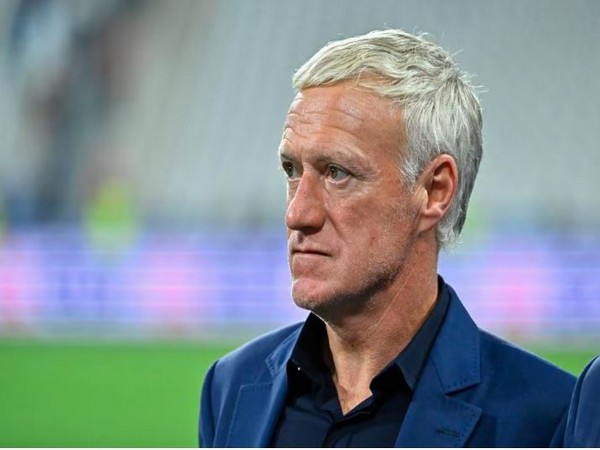
For France's Didier Deschamps, the 2026 World Cup is not just another tournament, it is the closing chapter of one of international football's most successful managerial reigns. The France coach with the Midas touch has already confirmed that he will step down after the finals in the United States, Canada and Mexico, ending a tenure that began in 2012.
It has seen Les Bleus become world champions in 2018, win the Nations League in 2021 and reach a second straight World Cup final in 2022. He also captained them to a first global crown in 1998, making his place in French football history secure. What remains to be defined is the size of the statue.
Deschamps has never been universally loved in France. His football has often been described as pragmatic, his selection choices conservative, his instinct for control sometimes at odds with the attacking talent available to him. The criticism grew after Euro 2024, when France reached the semi-finals but looked laboured, short of fluency and overly dependent on moments rather than rhythm.
Yet Deschamps's answer has always been the same: tournament football is about survival, balance and winning the key moments. Few have done that better.
MBAPPE TAKES CENTRE STAGE France start this year's finals with Kylian Mbappe at the centre of the project and a squad to make most rivals envious.
Players such as Ballon d’Or winner Ousmane Dembele and Paris St Germain teammates Desire Doue and Bradley Barcola give France the unpredictability that has defined the Deschamps years. Mike Maignan has authority in goal, William Saliba, Ibrahima Konate and Dayot Upamecano provide elite defensive options, while Aurelien Tchouameni and Adrien Rabiot offer power and control in midfield.
But this campaign carries a different emotional charge as Zinedine Zidane's name already hangs over the managerial succession, a reminder that even before a ball is kicked France are preparing for life after Deschamps. The draw has also given his final mission an edge.
France are in Group I with Senegal, Norway and Iraq, a lineup with awkward history and real danger. Senegal's 1-0 win over champions France in the opening match of the 2002 World Cup remains one of the tournament's great shocks, while Norway arrive with Erling Haaland and a qualification campaign that restored them as a serious threat.
For Deschamps, that may suit the narrative. His France team have rarely needed romance to thrive. They are built for pressure, knockout tension and the cold management of risk. The question is whether that formula still has one last surge left. If France fall short, Deschamps will still leave as a transformative figure who restored his country as a permanent World Cup power. But if he wins the title again, the 57-year-old will move beyond a national great into something closer to football immortality even if his team have never won the Euros, falling at the last hurdle at home in 2016.
This is his last dance and, for once, even Deschamps cannot make it feel routine.


 Google News