

IAEA and Romanian Regulatory Body meet to discuss nuclear power plants
Participants also received information on the kind of documentation required for submission to the regulator before starting a reactor refurbishment programme.
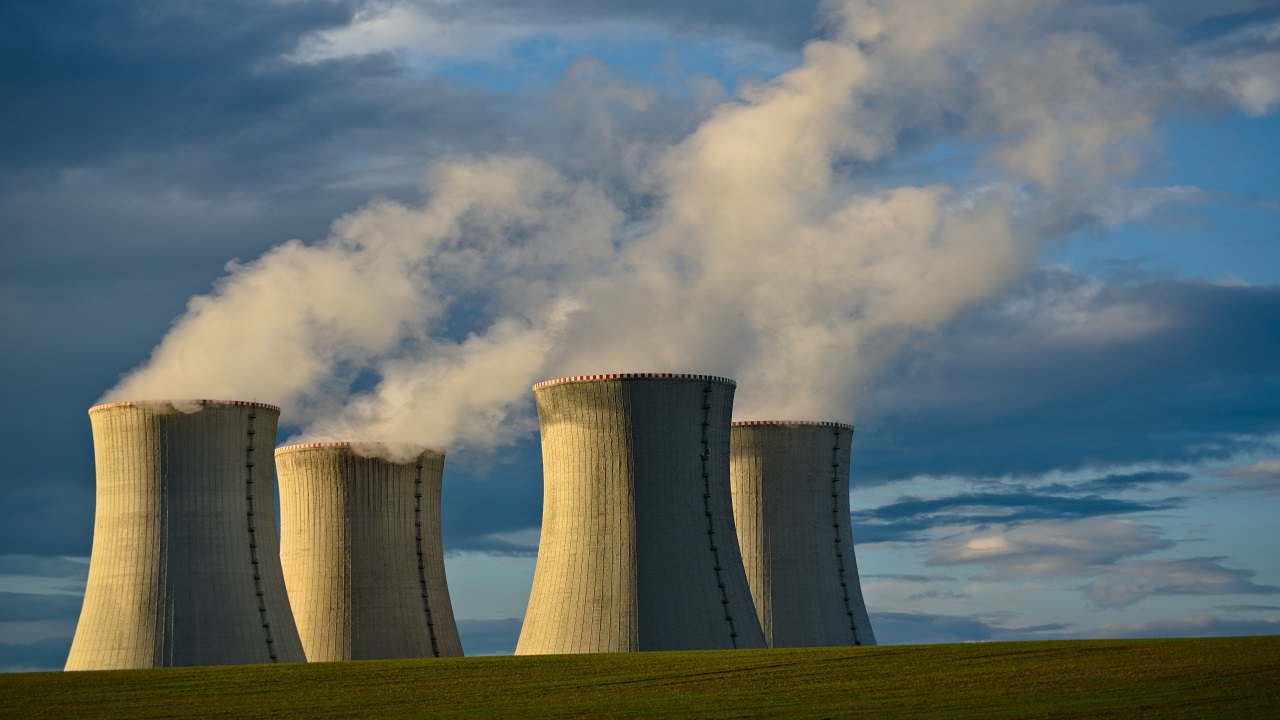
Strengthening Romania's nuclear regulatory infrastructure while providing a venue for international knowledge transfer was the focus of an IAEA technical visit at the Canadian Darlington Nuclear Generating Station (NGS) last month.
A team from the Romanian Regulatory Body, the National Commission for Nuclear Activities Control (CNCAN), and the Cernavoda Nuclear Power Plant visited Darlington NGS to discuss the long term operation (LTO) of nuclear power plants. They also discussed the refurbishment process for CANDU reactors, which includes Calandria and pressure tube removal, re-tubing, and feeder pipe removal and replacement. During the refurbishment process, reactor components, such as the pressure tubes that contain the fuel during operation, are removed and replaced.
During the five-day visit from 17 – 22 July, the Romanian utility and regulator gained insight and experience on how to review and assess ageing management for CANDU reactors, with a focus on refurbishment. Round table interactions, presentations, and on-site tours enabled Romanian experts to enhance their knowledge on how to prepare and train for the implementation of refurbishment activities that typically start several years before the practical work of refurbishment begins. Other areas of discussion included Darlington's third-party assessment of their steam generators to demonstrate their continued ability to operate successfully during the life extension, and insight into which components, such as cables, need to be replaced during or after refurbishment.
Maria Oprisescu, the CNCAN Management System Control Section Head, explained, "The insights gained following this technical meeting have added great value to the regulatory oversight of ageing management and preparation for safe LTO, including refurbishment activities planned to be implemented in the coming years at Cernavoda Nuclear Power Plant, Unit 1."
Participants also received information on the kind of documentation required for submission to the regulator before starting a reactor refurbishment programme. Presentations included topics on operating experience, and the codes and standards that the Canadian Nuclear Safety Commission (CNSC) requires for each nuclear power plant and the types of inspections required, including the importance of periodic inspections to check the safety related structures.
Darlington's manager of regulatory affairs, Craig Axler, said, "Sharing operating experience is an extremely valuable activity and is helpful not only for the visitors but also the hosts, as information sharing is passed in both directions on a wide range of topics. Ontario Power Generation is proud to share its successes with its current refurbishment project and is honoured to contribute to the long term operating efforts of all nuclear stations in the international community."
During a tour of the onsite mock up training facility, attendees gained practical experience on the processes involved in reactor refurbishment, as well as the importance of proper training and preparation to a successful refurbishment project. Iulia Jianu, a CNCAN Nuclear Safety Adviser, also noted, "The tours, presentations and round table discussions will significantly support the improvement of the Romanian regulatory framework regarding the use of industrial codes and standards."


 Google News