

AI Revolutionizes Earthquake Detection and Forecasting
AI technology, including the QuakeFlow algorithm and Meta's Wav2Vec-2.0, is enhancing earthquake detection, prediction, and response. This technology provides early warnings, helps assess hazards, and can save lives. However, digital divides limit access in less affluent regions, highlighting a need for global data-sharing initiatives.
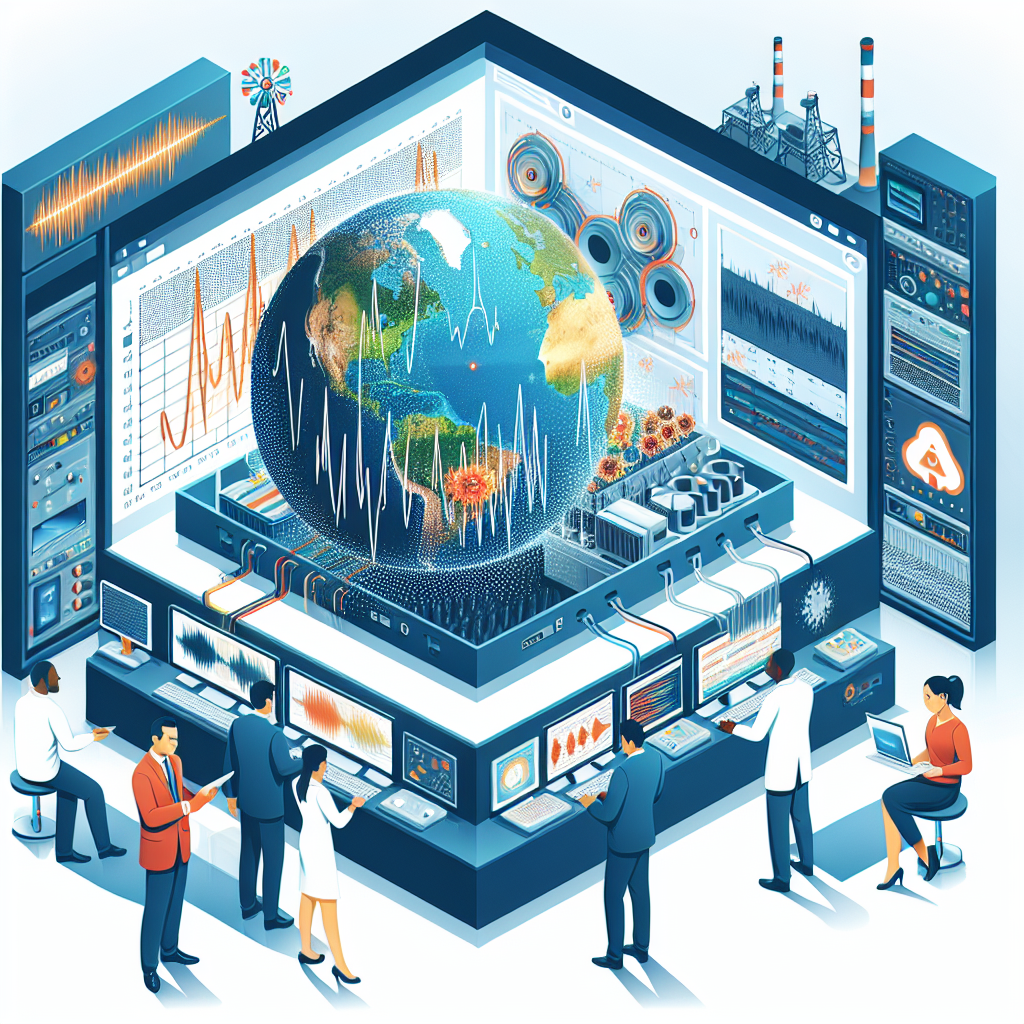
Advances in artificial intelligence are revolutionizing the field of earthquake detection and forecasting. With algorithms like QuakeFlow, developed at Stanford University, and Meta's Wav2Vec-2.0, scientists can now detect and analyze smaller seismic activities that might precede larger earthquakes.
Despite this progress, a significant digital divide threatens to limit the benefits AI can offer. Wealthier nations boast better access to the infrastructure necessary for these technologies while earthquake-prone regions like the Philippines and Nepal lag behind. This gap calls for international cooperation in data-sharing and technological support.
AI's capabilities extend beyond detection. With early warning systems now integrated into smartphones, rapid alerts can be sent to users before seismic waves reach them. Such innovations hold the promise of reducing infrastructure damage and saving lives, marking a pivotal shift in how we understand and respond to Earth's natural movements.


 Google News