

Who Controls Bitcoin Price
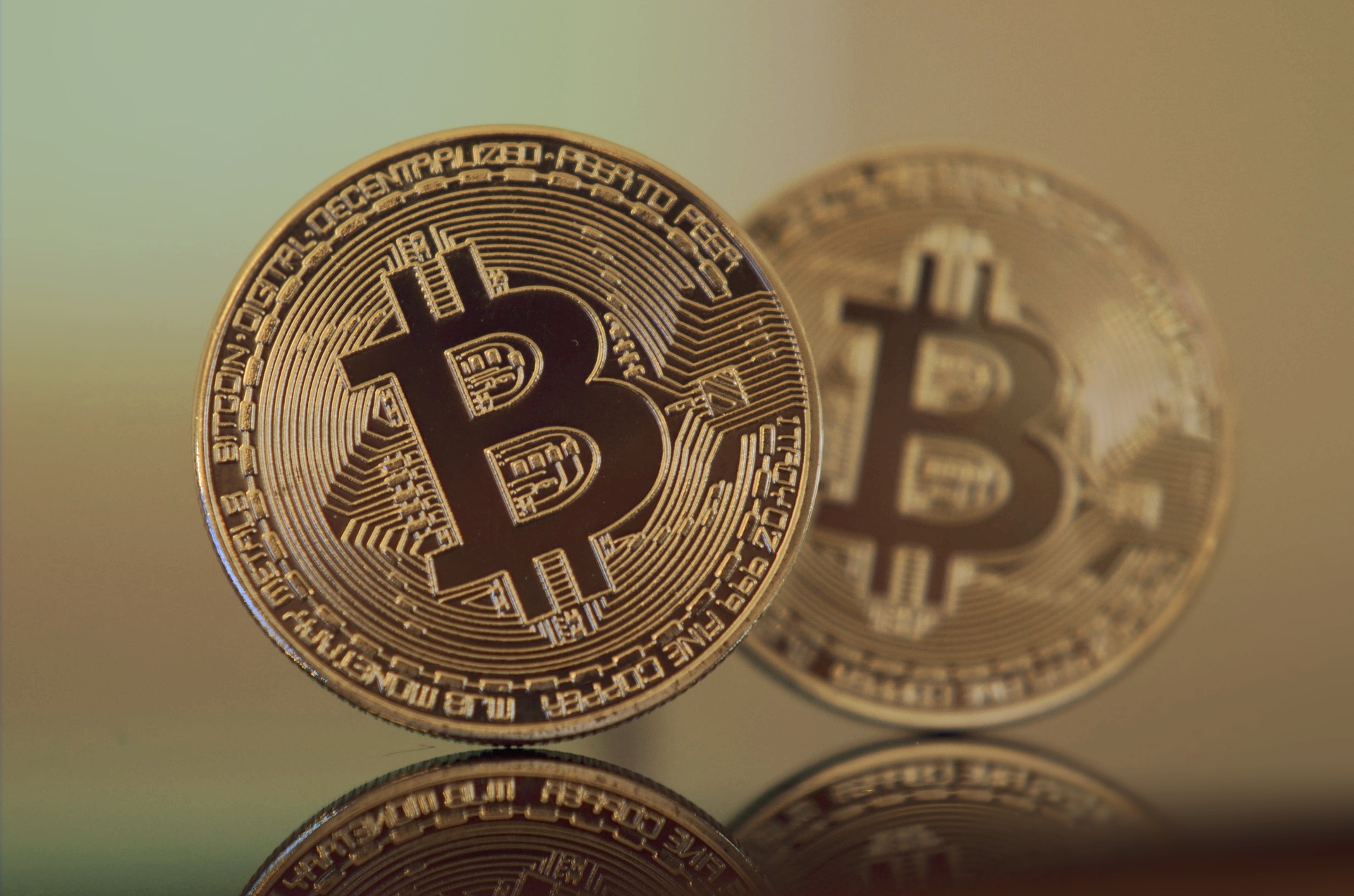
Bitcoin has a reputation of high volatility, which means its price could swiftly increase and plunge in hours. Unlike other financial instruments, bitcoin is a decentralized asset class, not subjected to the regulations of governments and financial institutions. Although many financial institutions, investors, and retailers are increasingly adopting it, bitcoin is unrecognized as legal tender in some parts of the world. Nevertheless, bitcoin is now traded on stock markets and used as payment for goods and services worldwide.
In 2009 when Satoshi Nakamoto introduced bitcoin, the virtual currency had no official price since people were not selling it. However, its price developed as crypto exchanges started adopting it. Bitcoin's significant takeoff occurred in 2013 when its price rose from a few cents to about $123.50. It rapidly gained traction in the stock markets, climbing to $1,000 by early 2017 and hitting an all-time high of $60,000 in 2021. So, who controls the bitcoin price?
Factors that Influence Bitcoin Price
Market Demand
As a decentralized currency, there is no central authority or body that controls the price of bitcoin. It entirely depends on the market, making it more complex for any particular body to price it. The cost of bitcoin varies from one exchange to another.
One of the reasons for those varying prices is the source of information. People trade Bitcoin on multiple currency exchange and brokerage platforms, all of which set special pricing, depending on the trades that users conduct at any given time.
Indexes collect prices from different exchange platforms and develop average figures based on the available data. That is why savvy investors recommend researching a few exchanges to find the best prices for buying and selling bitcoin.
Liquidity
The ability to quickly buy and sell bitcoins is also one of the reasons why its price keeps fluctuating. Bitcoin's supply has a limit or cap of 21 million, with about 18 million bitcoins already in circulation, which significantly limits its supply. However, the investors' ability to enter and exit positions quickly mainly depend on the amount of bitcoin circulating in the market at a given time.
If a particular asset is trading in huge volumes, it becomes difficult for an entity or event to influence pricing. Unlike fiat currencies that are available with larger daily trade volumes, bitcoin is quite scarce. As a result, single events can easily make huge impacts on bitcoin by either swaying the price upwards or downwards.
Events that Can Influence the Price of Bitcoin
Various events can influence the price of bitcoin in the crypto market. News that a particular influential government is sceptical about regulating bitcoin, such as China's crackdown on institutions completing bitcoin transactions, can make the price plunge rapidly. Another example is the recent announcement by Tesla that they are no longer accepting payments in bitcoin.
The deliberate actions of individuals and companies with more extensive bitcoin holdings could also significantly impact bitcoin prices. Bitcoin has limited supply and unevenly distributed ownership. While some users hold small amounts of bitcoins, others like big-tech companies sit on vast bitcoin holdings secured in their digital wallets.
As such, those with colossal bitcoin holdings can easily manipulate the market to their advantage. For instance, one trader recently caused a temporary crash of the crypto market when he sold off a large bitcoin holding below the market value.
If planning to invest in bitcoin, you should move with a lot of caution, keeping in mind its volatility. However, bitcoin's sudden price fluctuations are also one of its greatest strengths, which could enable you to make a killing from just a tiny investment.
(Devdiscourse's journalists were not involved in the production of this article. The facts and opinions appearing in the article do not reflect the views of Devdiscourse and Devdiscourse does not claim any responsibility for the same.)


 Google News