

Six ways COVID-19 affected fashion industry
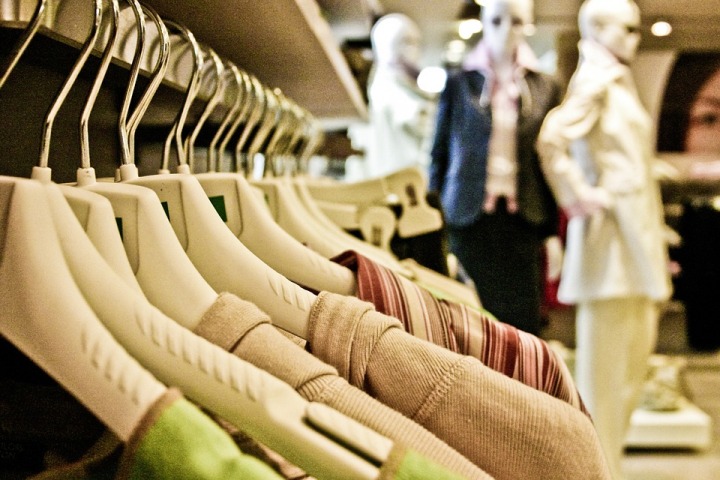
COVID-19 has brought with it multiple challenges globally, and almost every industry has been affected. For instance, the need to curb the spread of this deadly virus led to the closure of many manufacturing industries, event cancellations, and a ban on international travel. The fashion industry was also hard-hit because it is known to perform better when people are in constant movement.
While the overall impact of the coronavirus pandemic could take days to discuss, it isn't rocket science to know one thing. The measures taken to see that the coronavirus does not spread have had a huge impact on the fashion industry, more negative than positive. As manufacturers took a hit, suppliers, vendors, and retailers were not spared either. Many people have also learned to make DIY face masks and hand sanitizers at home. It is evident that the struggle is far from over, but it is always good to stay informed. With this having been said, below are six ways through which COVID-19 affected the fashion industry.
- Masks Are the Hot New Accessory
As the days go by, we all are waking up to the realization that masks are here to stay. Since the start of the pandemic, they have been the most common piece of cloth. Reputed label clothing businesses are shifting their production to making face masks and availing them to the public. This is because they are regarded as a way to prevent the spread of the virus, and have become so common and popular. Even now, while most countries are opening up, major players in the global health sector such as WHO and CDC are still urging people to wear masks when they go out in public to reduce the spread of the virus.
We have also seen many people dusting their sewing machines and using fancy and unique fabrics to make their home-made masks. As seen at the Dutch Label Shop, you can also create your own label of facemasks that stands out and look unique. You don't have to make what everyone else is making.
In a way, it could be safe to say that the pandemic created a new gap in the market, which creative minds in the fashion industry are taking advantage of. It is evident that even after the spread of the virus has decreased and even ceased completely, it will be no surprise to see models hitting the runways with designer face masks.
- Increased Online Shopping For Clothing and Fashion Items
As the pandemic began, it was declared mandatory for people to maintain social distancing while in public places. This led to the closure of most brick and mortar stores. During the last week of May, eCommerce sales had increased by 40 percent compared to the time before the coronavirus lockdown and control measures. People have turned to online shopping, and even though some boutiques are beginning to get back to their normal operations, many people are still opting for online shopping. As time goes on, there is a high chance that people will maintain this trend and continue shopping online, even for other products, from footwear to bracelets.
- Leisurewear Sales Have Soared
People have been indoors for quite a while due to the pandemic. These movement restrictions, closure of public events, and advocacy for people to work from home led to one thing. Most of us started spending an incredible amount of time at home. Before the pandemic, having two or three sweatpants in your wardrobe was okay for most people since we spent minimal time in them. However, this changed amid the pandemic, when curfews, lockdowns, and stay-at-home orders came into effect.
Would you be comfortable wearing the same pants around the house fulltime? For many people, something had to be done to restore sanity as far as indoor wear is concerned. This situation could also have influenced a significant part of the population into preferring leisurewear while outdoors. Consequently, this may have influenced designers to become more creative, creating leisurewear that can be worn even for a night out.
- Replacement of Black by Vintage
When the pandemic started, most countries initiated lockdown to check on the spread of coronavirus. Many companies could not keep up with the cost of maintaining their labor force, yet they weren't working. Many people were laid off, and others received less income as the global markets received a beating. This has led to a lack of funds to spend on shopping and other uses, and therefore people are opting for cheaper ways to buy. Many investors in clothing have been seen to focus more on vintage and consignment stores. This is majorly due to the new trend where people are looking for cheaper clothing, hence replacing what was previously trending with vintage.
- More Focus on Sustainable Fashion
The shift to consignment and vintage markets proves that people will soon opt for sustainable fashion. The coronavirus pandemic has proved that the globe is at a vulnerable point, and it is not unlikely that a growing concern on climate change will come from this. People feel as if the world is on fire, and the focus is on making it a better place. Therefore, any type of resale of used clothing is considered sustainable because it will cut on pollution due to manufacturing new products. Changing our lifestyles and looking for more sustainable options for dressing ourselves post-corona is, to some point, inevitable.
- The Reduced Focus on Professional Wear
People have been indoors too long that professional and official wear have been pushed back in the closets. Businesses dealing with the manufacture and sale of these clothing are slowly changing into other types such as leisurewear. Seemingly, the new professional wear might be slightly modified leisurewear.
The world of fashion has changed greatly with masks being the new most common accessory. Many people are now more concerned about comfort rather than style, and there's increased attention on vintage clothing. These are just a few of the ways the 2019/20 coronavirus pandemic reshaped the fashion world.
(Disclaimer: Devdiscourse's journalists were not involved in the production of this article. The facts and opinions appearing in the article do not reflect the views of Devdiscourse and Devdiscourse does not claim any responsibility for the same.)


 Google News