

Syrian pound sinks to record low on foreign currency crunch
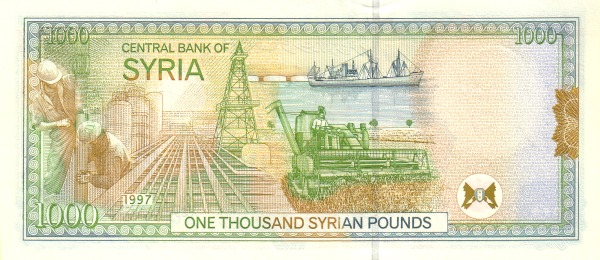
The Syrian pound sank to a new record low on Sunday with a scramble for dollars in a country hit by sanctions and facing a severe foreign currency crunch, dealers and bankers said. Traders said it cost as much as 3,450 Syrian pounds to buy 1 dollar on the street on Sunday, more than 18% lower than the end of last month.
- Country:
- Syrian Arab Republic
The Syrian pound sank to a new record low on Sunday with a scramble for dollars in a country hit by sanctions and facing a severe foreign currency crunch, dealers and bankers said.
Traders said it cost as much as 3,450 Syrian pounds to buy 1 dollar on the street on Sunday, more than 18% lower than the end of last month. Its last freefall was last summer when it hit the psychological barrier of 3,000 to the dollar over fears tougher U.S. sanctions would worsen the country's dire economic plight. Syria has seen years of Western sanctions and devastating civil war.
One leading Damascus-based licensed exchange dealer said the dollar had been rising with the demand that far exceeded supply after months of relative stability in the 2,500 range. "There is a lot of demand on dollars but the hard currency is not available," one dealer in the city of Aleppo said.
The pound had traded at 47 to the dollar before protests against President Bashar al-Assad's authoritarian rule erupted in March 2011, the unrest that led to war. Also squeezing the inflow of dollars has been a financial crisis in neighbouring Lebanon where billions of dollars held by Syrian businessmen were frozen by its hard-hit banks, businessmen and bankers say.
Lebanon's financial sector has for decades been a safe haven for leading Syrian businessmen and also firms associated with the government who used some of its banks to circumvent sanctions to import raw materials. The country has been forced to reduce subsidies on fuel and conserve foreign currency for essential imports, businessmen say.
The collapse of the currency has driven up inflation as Syrians struggle to afford food, power and other basics. Bankers say although the central bank vowed last week to intervene to prop up the collapsing currency, it is reluctant to support the currency in order to protect its scarce remaining foreign reserves. They were estimated at $17 billion before the 10-year conflict began.
ALSO READ
-
Lebanon’s Children Face Hunger, Lost Schooling and Work as Families Reach the Brink
-
Lebanon’s Small Business Owners Build Skills and Market Links With EU and ILO Support
-
Lebanon and ILO Move to Modernize Cooperatives and Strengthen Rural Livelihoods
-
UNDP Urges Recovery From Day One as 160 Million People Risk Being Trapped in Crisis
-
UNDP and World Bank Join Forces to Unlock Investment and Jobs in Five Nations


 Google News