

German rail workers union announces 50-hour strike
A German labour union is calling for railway workers to stage a 50-hour strike early next week to bolster its calls for an inflation-related pay raise.The EVG rail workers union called for its 230,000 members to walk off the job from 10 p.m. on Sunday evening until midnight on Tuesday.
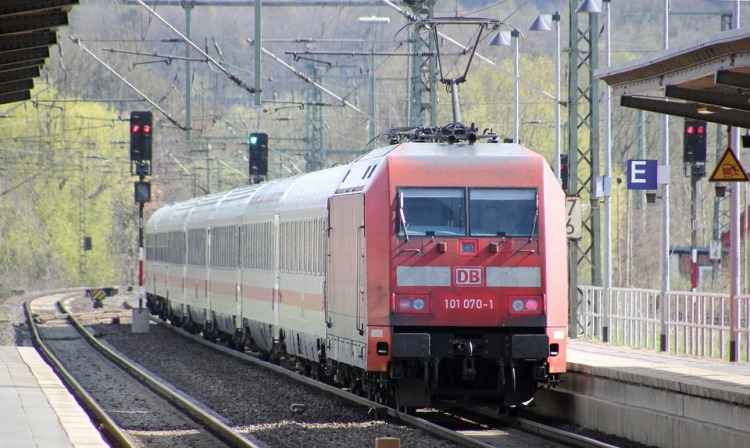
- Country:
- Germany
A German labour union is calling for railway workers to stage a 50-hour strike early next week to bolster its calls for an inflation-related pay raise.
The EVG rail workers union called for its 230,000 members to walk off the job from 10 p.m. on Sunday evening until midnight on Tuesday. The walkout will affect around 50 companies that provide rail services.
Pay negotiations between EVG and German railway companies have been underway since February. EVG is seeking a raise of 12 per cent for its members.
This longer strike "increases the pressure significantly, because the employers leave us no other choice," said Kristian Loroch, EVG's lead negotiator, according to the news agency dpa.
Deutsche Bahn personnel chief Martin Seiler called the strike "completely unreasonable.'' "Instead of looking for compromises, the EVG wants to paralyse the country for an unbelievable 50 hours," he said in a statement Thursday morning. "Millions of travellers are not getting where they want to go, to school, to work, to their loved ones." The walkout is the third staged by railway workers this year, and comes in the wake of strikes in other sectors. In late March, a full-day strike paralysed the railway network. That walkout was coordinated with another union, ver.di, which brought most of Germany's airports and some regional transit networks to a standstill.
EVG organised a second strike in April, which affected regional and long-distance rail services in Germany.
Germany's annual inflation rate has declined from the levels it reached late last year but remains high. It stood at 7.2 per cent in April.


 Google News