

World Bank approves $135m to help Senegal reduce flood risks in urban areas
To the extent possible, the additional financing will incorporate nature-based solutions, such as green corridors or green spaces, around the urban drainage structures.
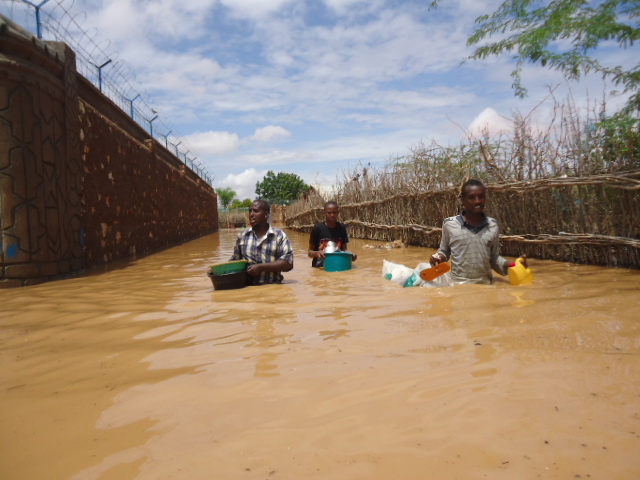
The World Bank has approved $135 million in financing for Senegal to help the country reduce and anticipate flood risks in Dakar's peri-urban areas by strengthening urban planning and management capacities.
This financing is the second granted to the Stormwater Management and Climate Change Adaptation Project 2 (PROGEP 2). It is expected to help strengthen flood resilience in targeted areas.
"Initial funding for PROGEP 2 has already enabled the construction of over 14 km of primary and secondary canals, protecting 55,000 people and 345 ha from flooding. Following these encouraging results, we are confident that this additional funding can provide structural solutions for mitigating the impacts of heavy rains in the priority urban areas identified by the Senegalese government," said Keiko Miwa, World Bank Country Director for Cabo Verde, Gambia, Guinea-Bissau, Mauritania, and Senegal
"Through this additional financing to PROGEP 2, additional drainage works are planned for the northern part of Keur Massar in the Mbeubeuss catchment area, involving 11.7 km of primary and secondary collectors and 10 rainwater retention basins with a storage capacity of 165,200 m3. In the Kounoune-Sangalkam sub-catchment, which is an integral part of the Pink Lake catchment, the plan is to build 27.35 km of primary collectors, 6 retention basins with a total capacity of 120,000 m3, as well as an outlet to the sea," said Isabelle Celine Kane, the project manager at the World Bank.
To the extent possible, the additional financing will incorporate nature-based solutions, such as green corridors or green spaces, around the urban drainage structures. At the same time, this should preserve wetlands from future construction with beneficial effects regarding climate change adaptation and Resilience.
The project's original 2026 completion date will move up three years to July 2029.
ALSO READ
-
Tanzania’s Growth Gains Need Better Jobs to Bring Lasting Prosperity to More Families
-
Better Schools, Stronger Economy: Saudi Arabia Eyes a Major Growth Dividend From Education
-
World Bank’s Billion-Person Digital Push Puts Affordable Internet and AI at Center Stage
-
Tanzania’s Economy Gains Momentum, but Better Jobs Hold the Key to Broader National Prosperity
-
Tanzania’s Growing Economy Puts Better Jobs at the Heart of Its Next Growth Chapter


 Google News