

AfDB Annual Meetings: Call to Scale Up Free School Meals to Combat Child Hunger
Dr. Martin Fregene, Director of Agriculture and Agro-Industry at the African Development Bank, emphasized the link between freedom from hunger, education, and economic growth.
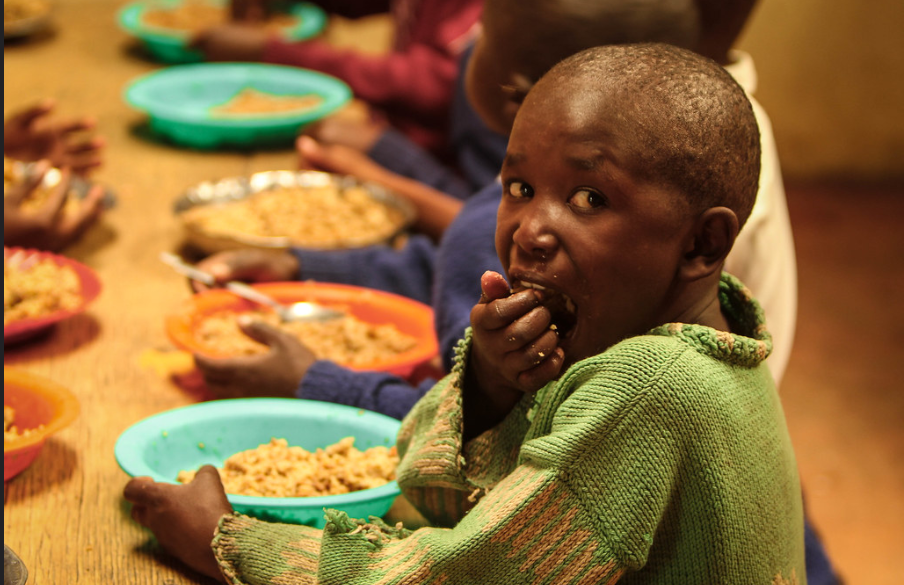
Participants at a key side event during the African Development Bank's annual meetings in Nairobi heard a call for African countries to scale up the provision of free school meals, despite economic challenges, to address the harmful consequences of millions of children attending school with hungry bellies.
Organized by the Rockefeller Foundation in collaboration with the Global Partnership for Education (GPE) and the World Food Programme, the event focused on creating fiscal space for school meals in alignment with Agenda 2063, SDGs, and Human Capital Development.
Dr. Martin Fregene, Director of Agriculture and Agro-Industry at the African Development Bank, emphasized the link between freedom from hunger, education, and economic growth. He highlighted the role of food production in creating demand for farmers and securing markets, ultimately contributing to economic growth.
Former Tanzanian President Jakaya Kikwete, current chair of the Global Partnership for Education, stressed the importance of ensuring that no child goes to school hungry. He called for innovative financing solutions to support free school meals programs and urged Africa to accelerate efforts to meet the SDGs.
Kikwete commended recent debt swap agreements for education, such as the deal between France and Ivory Coast, emphasizing the positive impact of investments in education, including free meals, on overall GDP performance.
Dr. Fregene acknowledged the economic challenges facing many African governments, including the impacts of the COVID-19 pandemic, rising food inflation, and climate change-induced disasters. Despite these challenges, the African Development Bank has supported healthy meals initiatives with approximately $100 million.
Speakers highlighted the constrained fiscal space faced by African countries, exacerbated by rising debt service costs. This situation creates a silent debt crisis, squeezing out spending on critical interventions for Agenda 2063 and SDG implementation.
In conclusion, the event underscored the importance of scaling up free school meals to address child hunger and promote education, health, and economic development across Africa.


 Google News