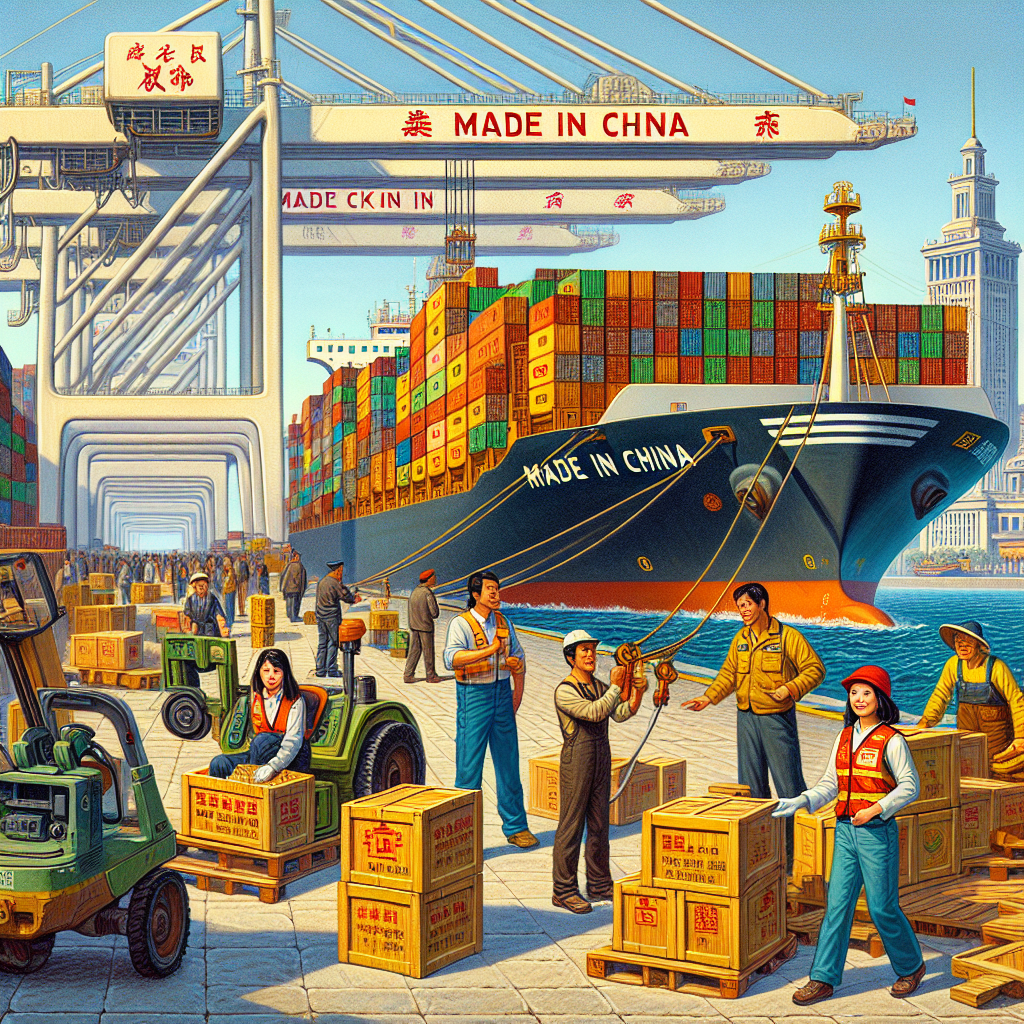
Economic activity in China saw an uptick in early 2024, primarily driven by stronger exports, while domestic demand growth showed signs of moderation, according to the World Bank's latest China Economic Update titled "Growing Beyond Property: Cyclical Lifts and Structural Challenges." The update reports robust manufacturing, infrastructure investment, and consumer spending on services, amidst a continuing correction in the property market.
China's GDP growth for 2024 is projected at 4.8%, a 0.3 percentage point increase from the December 2023 forecast. This upward revision is attributed to stronger-than-expected export performance and policy measures supporting the property market along with higher fiscal spending.
Growth Outlook and Risks
The growth outlook for China carries balanced risks. On the upside, factors such as stabilization in the property sector and higher fiscal spending could further boost growth. Additionally, significant progress in structural reforms, particularly those enhancing the private sector's environment, could increase short-term confidence and long-term productivity growth.
However, there are downside risks including:
- A prolonged delay in the property market recovery beyond 2024.
- Persistent deflationary pressures.
- Slower-than-expected global economic growth.
- Increased trade tensions.
Structural Reforms and Long-term Objectives
Mara Warwick, the World Bank Country Director for China, Mongolia, and Korea, emphasized the importance of structural reforms in sustaining short-term growth momentum and achieving long-term goals. Policies aimed at accelerating the transition to carbon neutrality could stimulate demand for green technologies. Additionally, resolving debt issues and facilitating the exit of unviable firms in the property and other sectors would help reduce economic imbalances and reallocate resources to more productive businesses.
Demographic Challenges
The report also highlights the economic impact of China's rapidly aging population on growth and inequality. While the demographic transition presents challenges, it is manageable with appropriate policies. Elitza Mileva, World Bank Lead Economist for China, outlined several measures to mitigate the economic impacts of an aging population, including:
- Increasing labor force participation.
- Extending productive working lives.
- Providing affordable childcare.
- Promoting better work-life balance.
- Eliminating gender bias in hiring.
- Raising the retirement age.
- Facilitating skills upgrading and lifelong learning.
These measures could expand China's workforce and enhance its productivity, helping to sustain economic growth despite demographic shifts.




 Google News