

Global Tariff Challenges: A New Era of Trade Dynamics
Tata Sons chairman N Chandrasekaran highlights the enduring nature of US tariffs amidst disrupted global trade norms. He stresses on globalization's changing landscape and the challenges of supply chain integration. Tata plans to address this by opening seven new factories in emerging sectors by 2027, creating substantial employment.
- Country:
- India
N Chandrasekaran, chairman of Tata Sons, asserted on Tuesday that certain US-imposed tariffs are likely here to stay.
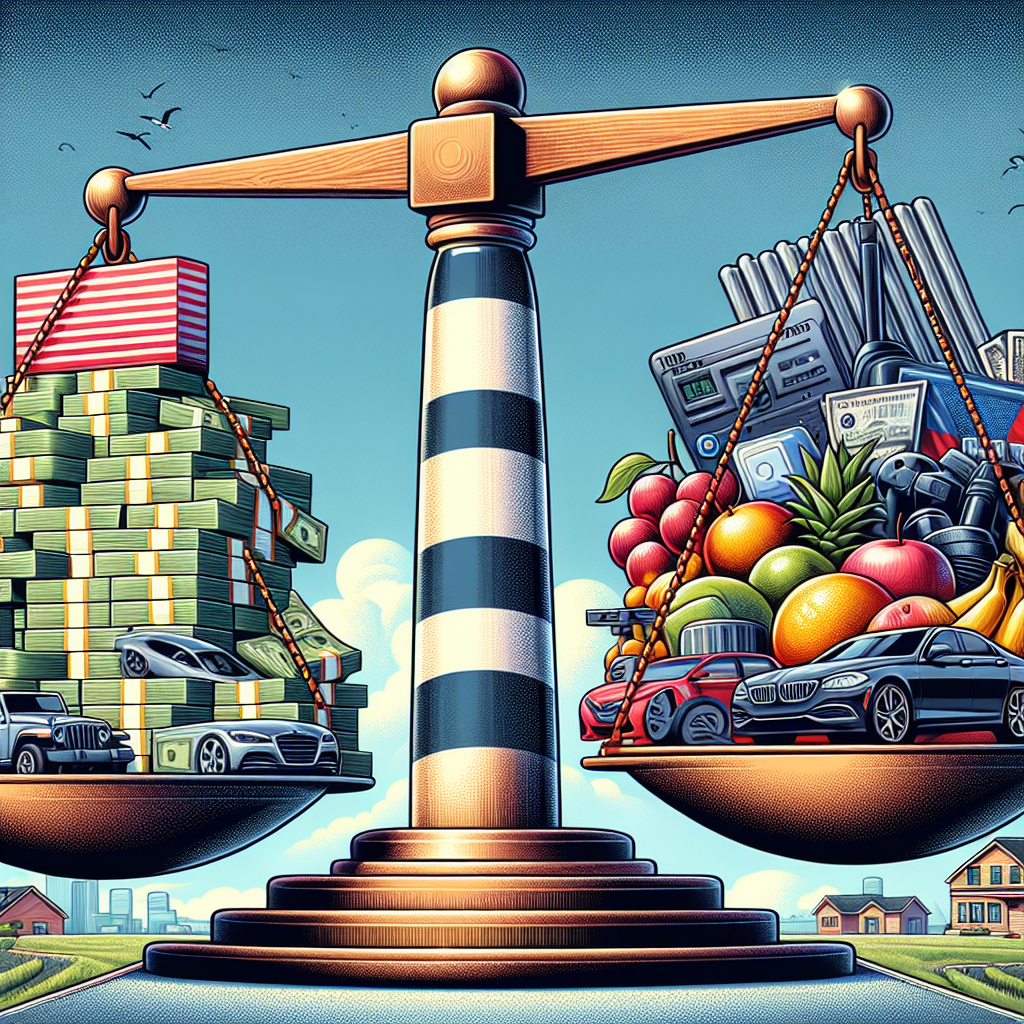
He clarified that the disruption lies not in the tariffs themselves but in the overhaul of a globalization model active for over sixty years. This model dictated efficient production and distribution based on cost effectiveness and demand, which is now facing challenges. With supply chains deeply intertwined, immediate shifts are complex due to factors like talent and raw material sourcing. He believes tariffs will not revert to zero, mentioning that their future will depend on whether resolutions are across the board or bilateral.
The Tata Group, on its part, is taking proactive steps by constructing seven new factories in sectors such as electric vehicles, batteries, and semiconductors set to begin operation by 2027. These ventures aim to create employment for 500,000 individuals.
ALSO READ
-
EU Firms Rethink Supply Chains as Geopolitical Risks Reshape Global Trade
-
Trade War Chessboard: Agriculture, Energy, and Rare Earths in Focus
-
Trump and Xi Set for High-Stakes Summit: Trade, Taiwan, and Technology in Focus
-
US Tariff Announcement Delay Amidst Xi-Trump Summit
-
India Defends Energy Policy Amidst Rising Tariff Threats from U.S.


 Google News