

The Impact of Ukrainian Migration on Central and Eastern Europe’s Economic Future
Ukrainian migration trends post-war are crucial to Central and Eastern Europe's economic growth, potentially affecting output by -6% to 3%. As the war continues, Ukrainian net immigration is expected to be net-positive, influenced by the integration of women and children in host nations and possible reunification scenarios.
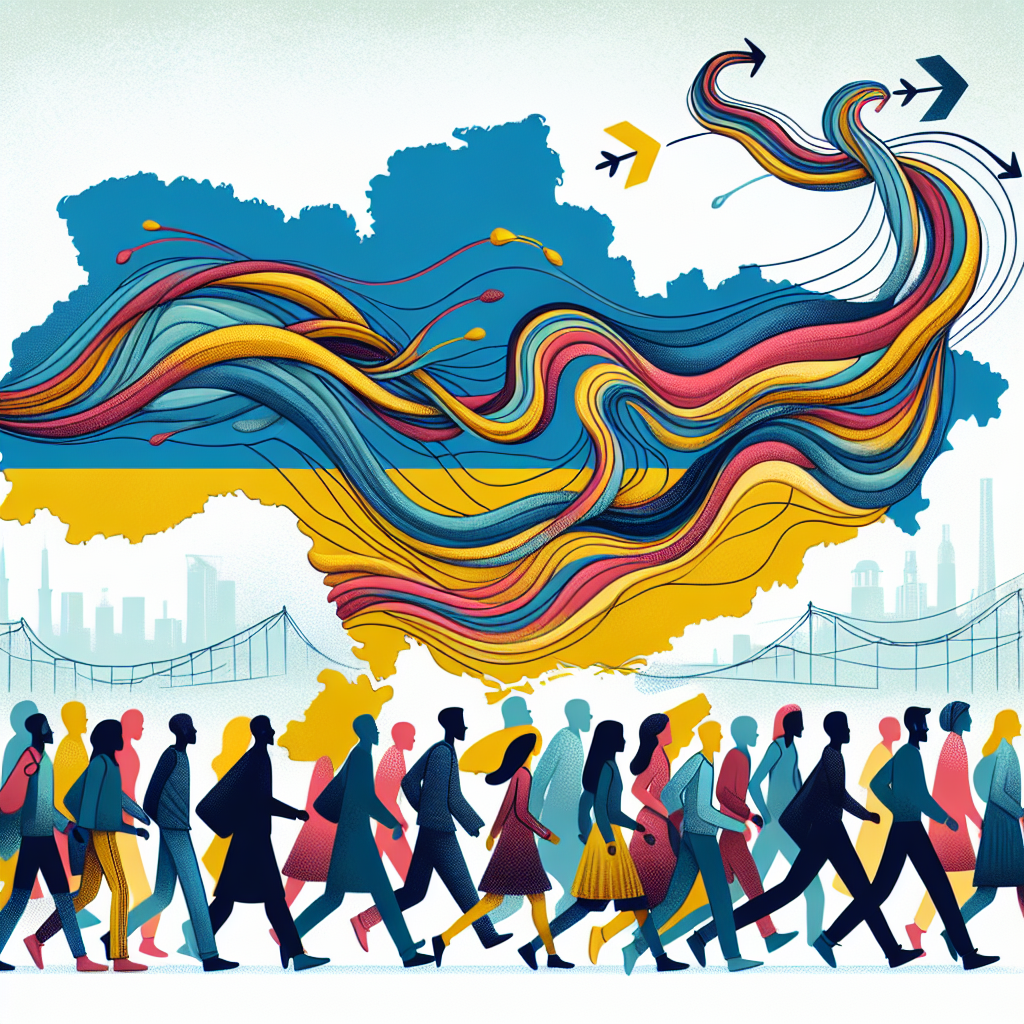
The future economic growth of Central and Eastern Europe hinges on Ukrainian migration patterns post-conflict, according to a report by S&P Global. The report highlights the potential impact on economic output, which could range from a decline of 6% to a growth of 3% in the region.
Currently, nearly half of Ukrainian refugees in the EU reside in the 11 Central and Eastern European countries, significantly bolstering their labor markets. Notably, the Czech Republic hosts the largest proportion of Ukrainians relative to its population, followed by Poland, Estonia, and Slovakia.
However, challenges remain, such as the recent backlash in Poland, where a bill extending benefits to refugees was vetoed. The report emphasizes that the integration of Ukrainian women and children will play a vital role in future migration trends.
ALSO READ
-
Tanzania’s Growth Gains Need Better Jobs to Bring Lasting Prosperity to More Families
-
Tanzania’s Growing Economy Puts Better Jobs at the Heart of Its Next Growth Chapter
-
Seychelles Growth Set to Slow to 1% as Tourism Feels the Middle East Conflict’s Impact
-
Central Africa Faces $35.6 Billion Funding Gap as Growth Forecasts Signal Steady Gains
-
Benin’s Growth Surges as $2.43 Billion Annual Funding Need Shapes Its Economic Future


 Google News