



AfDB commits $1.78bn to drive Namibia’s 2025–2030 growth, jobs and diversification
“This strategy marks a pivotal moment for Namibia's development,” said Moono Mupotola, AfDB Deputy Director General for Southern Africa and Country Manager for Namibia.
- Country:
- Namibia
The African Development Bank Group’s Board of Directors has approved a landmark Country Strategy Paper (CSP) for Namibia, committing $1.78 billion in financing to support structural transformation, job creation, and inclusive growth between 2025 and 2030. The investment comes at a pivotal moment as Namibia grapples with rising youth unemployment, declining per capita income, and persistent inequality.
Namibia remains one of the world’s most unequal countries. Youth unemployment exceeds 40%, and average incomes fell from $5,942 in 2012 to $4,240 in 2024. The CSP aims to reverse these trends by strengthening infrastructure, expanding economic opportunities, and equipping young people and businesses with the skills and support necessary to succeed in a modern, diversified economy.
“This strategy marks a pivotal moment for Namibia's development,” said Moono Mupotola, AfDB Deputy Director General for Southern Africa and Country Manager for Namibia. “By focusing on strategic infrastructure and human capital development, we are laying the foundation for inclusive growth that will benefit all Namibians, particularly the young.”
Two Strategic Pillars for Transformation
1. Strategic Infrastructure for Competitiveness and Regional Integration
The first pillar focuses on critical investments in:
-
Transport – Upgrading road and rail networks to lower logistics costs and position Namibia as a Southern African logistics gateway under the African Continental Free Trade Area (AfCFTA).
-
Energy – Expanding renewable energy capacity, improving grid reliability, and supporting Namibia’s ambitions in green hydrogen, a sector in which the country aims to become a continental leader.
-
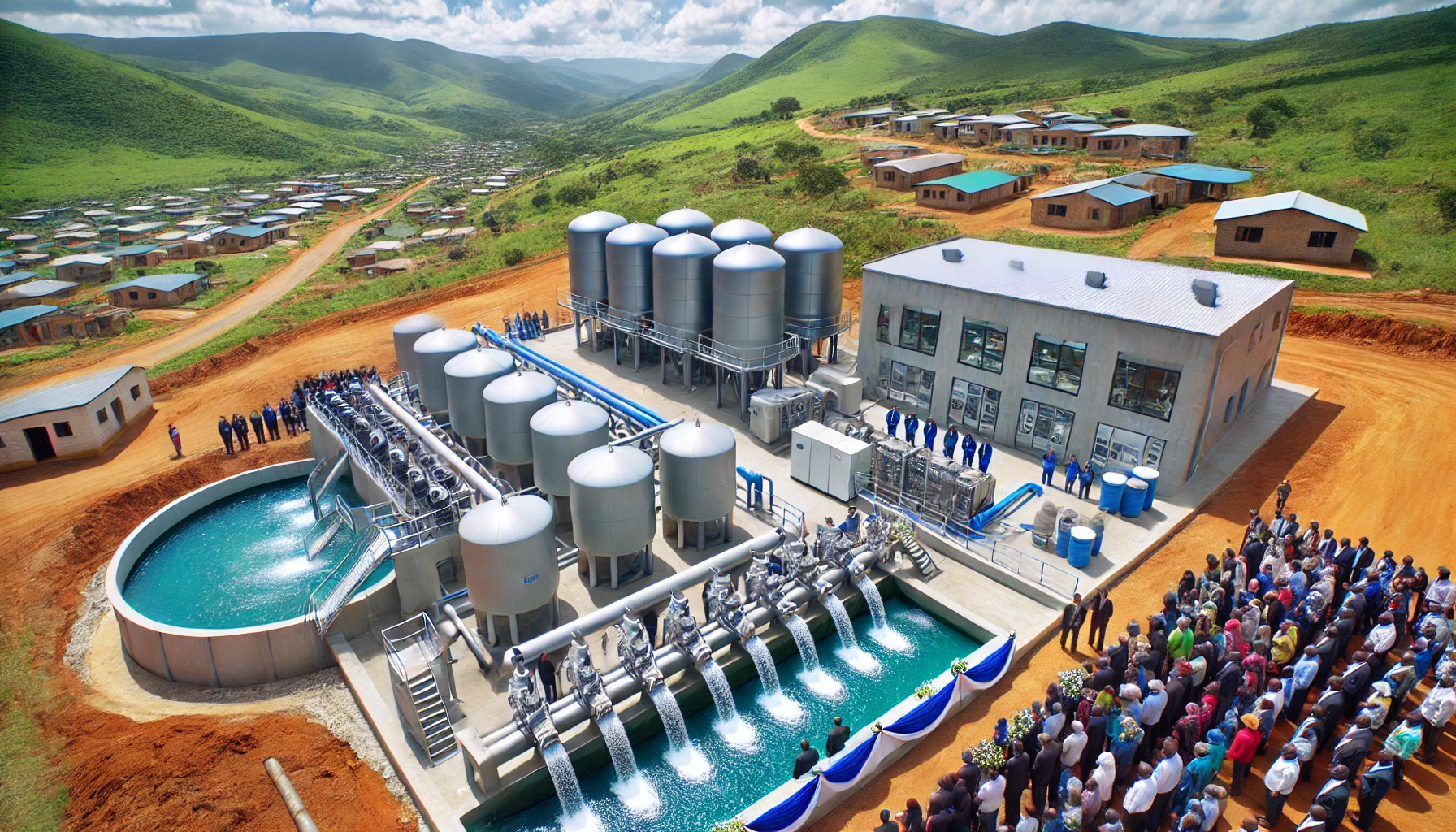
Water and Sanitation – Expanding rural access to clean water, improving wastewater systems, and supporting climate-resilient water management.
These infrastructure investments are expected to strengthen trade links with Angola and Zambia, enhance Namibia’s role along regional value chains, and raise electricity access from 59.5% toward universal coverage.
2. Human Capital, Skills, and Enterprise Development
The second pillar aims to accelerate job creation and expand opportunities through:
-
Market-relevant technical and vocational training to connect youth to high-demand jobs in manufacturing, logistics, green energy, and digital services.
-
Support for micro, small and medium enterprises (MSMEs), including access to finance, business development, and integration into regional and global value chains.
-
Women’s economic empowerment, ensuring greater participation in entrepreneurial and industrial sectors.
These efforts are designed to shift Namibia’s economic structure beyond mining and agriculture, expand manufacturing capabilities, and create thousands of direct and indirect jobs.
Strengthening Resilience in a Challenging Global Context
Mupotola noted that recent U.S. tariff increases and cuts to international development assistance have created additional pressures for Namibia’s export-driven economy.
“Our strategy strengthens resilience by diversifying export markets, enhancing regional integration, and building domestic productive capacities,” she said.
The CSP will help Namibia reduce vulnerability to external shocks by expanding industrial output, improving competitiveness, and promoting climate adaptation initiatives.
Built on a Decade of Partnership and Proven Impact
The new CSP builds on the AfDB’s decade-long record of supporting Namibia through:
-
Investments of $658.1 million
-
Expansion of Walvis Bay Port, a key regional logistics hub
-
Major railway infrastructure upgrades
-
Support for 27 educational institutions across all 14 regions
-
Renewable energy and water infrastructure projects
This track record positions the AfDB as one of Namibia’s most strategic development partners.
Aligned with National and Continental Priorities
The CSP aligns with:
-
The AfDB’s Four Cardinal Points
-
Namibia’s Vision 2030
-
Africa’s Agenda 2063
Implementation will begin immediately, with the first operations expected to launch in early 2026.
The strategy represents one of the most ambitious multi-year development investments ever approved for Namibia and is expected to play a transformative role in shaping the country’s economic trajectory over the next decade.


 Google News