

AfDB, PAFA Launch $5.2M Project to Strengthen Public Sector Accounting in Africa
The Bank selected PAFA as its primary implementing partner because of the organization’s pan-continental footprint.
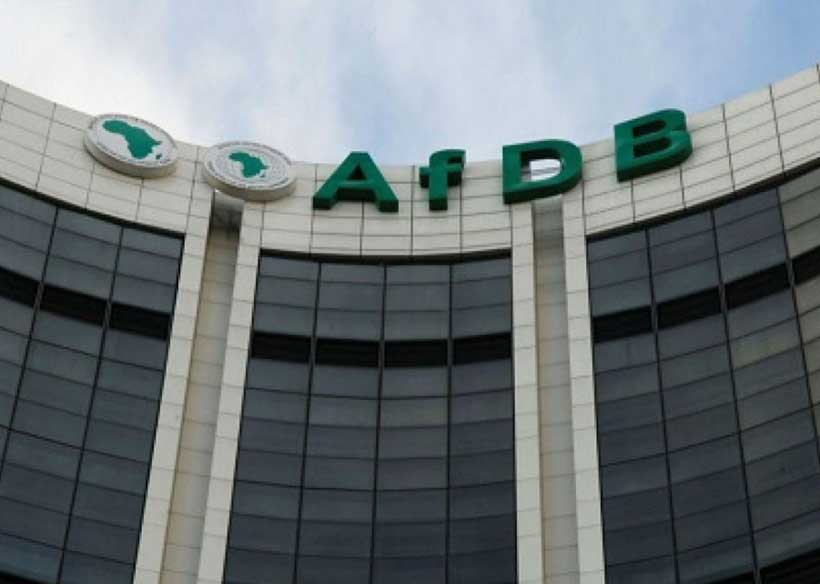
- Country:
- Ivory Coast
The African Development Bank Group (AfDB) and the Pan African Federation of Accountants (PAFA) have launched a $5.2 million institutional support program to help tackle one of the continent's most pressing governance challenges: the severe shortage of qualified public sector accountants and auditors across Africa. The initiative was unveiled on 26 November at SAIPA House in Johannesburg.
Funded through the AfDB's Transition Support Facility, the Strengthening the Pan African Federation of Accountants and PFM Resilience in Africa project aims to reinforce public financial management (PFM) systems by strengthening professional standards, building institutional capacity, and enhancing the quality of financial reporting across African governments.
A Pan-African Effort to Standardize and Professionalize Public Accounting
The project will support a wide range of reforms, including:
-
Harmonizing professional accounting standards and tools across African countries
-
Strengthening professional accountancy organizations (PAOs)
-
Improving the quality of financial reporting in fragile and transition states
-
Professionalizing public sector accountants and auditors to meet international standards
These efforts aim to enhance transparency, improve the management of public resources, and support stronger, more accountable institutions.
AfDB: Strong PFM Critical for Economic Resilience
"Strong, transparent public financial management is essential for resilient economies and improved services for citizens," said Kennedy Mbekeani, Director General of AfDB's Southern Africa Regional Development and Business Delivery Office.
"Through this partnership with PAFA, we are investing in the professionals and institutions that protect public resources."
PAFA's Unique Reach Across Africa
The Bank selected PAFA as its primary implementing partner because of the organization's pan-continental footprint. PAFA represents:
-
57 professional accountancy organizations
-
Spread across 47 African countries
The partnership will also draw on the African Professionalisation Initiative (API), a collaboration involving:
-
PAFA
-
The African Organisation of Supreme Audit Institutions (AFROSAI)
-
The African Association of Accountants General (AAAG)
PAFA: Strengthening Institutions for Good Governance
PAFA CEO Alta Prinsloo emphasized the long-term governance benefits:
"By investing in the professionalisation of accountants and auditors, we are building the skills, institutions, and standards that enable transparency, trust, and effective governance."
Training, Institutional Capacity Building, and Women's Inclusion
To address the shortage of skilled professionals, the project will:
-
Develop training and learning programs for public sector accountants
-
Strengthen the institutional capacity of national PAOs
-
Increase women's participation in the accounting profession through targeted mentorship and career development support
This focus on gender inclusion is expected to broaden the diversity and leadership potential within Africa's financial management community.
Supporting AfCFTA Objectives and Cross-Border Recognition of Qualifications
A key strategic outcome of the project is strengthening continental integration under the African Continental Free Trade Area (AfCFTA). The initiative aims to:
-
Standardize accounting qualifications across African nations
-
Improve skills mobility for financial professionals
-
Enhance continental recognition of professional credentials
Unified standards will support a more integrated professional workforce, enabling accountants and auditors to practice across borders and supporting Africa's broader economic transformation.
A Foundation for Accountability and Sustainable Development
By developing skilled public sector accountants and harmonizing professional standards, the AfDB–PAFA initiative seeks to reinforce the financial integrity of African governments, improve public service delivery, and strengthen resilience in states facing fragility or transition.
Ultimately, the project aims to help countries better manage public resources, prevent financial mismanagement, and uphold the principles of transparency and effective governance across the continent.


 Google News