

World Bank Settles $200m Clean Cooking Outcome Bond to Support Ghana
The bond, which matures on 31 March 2032, attracted participation from more than ten global investors, including several investing in World Bank Outcome Bonds for the first time.
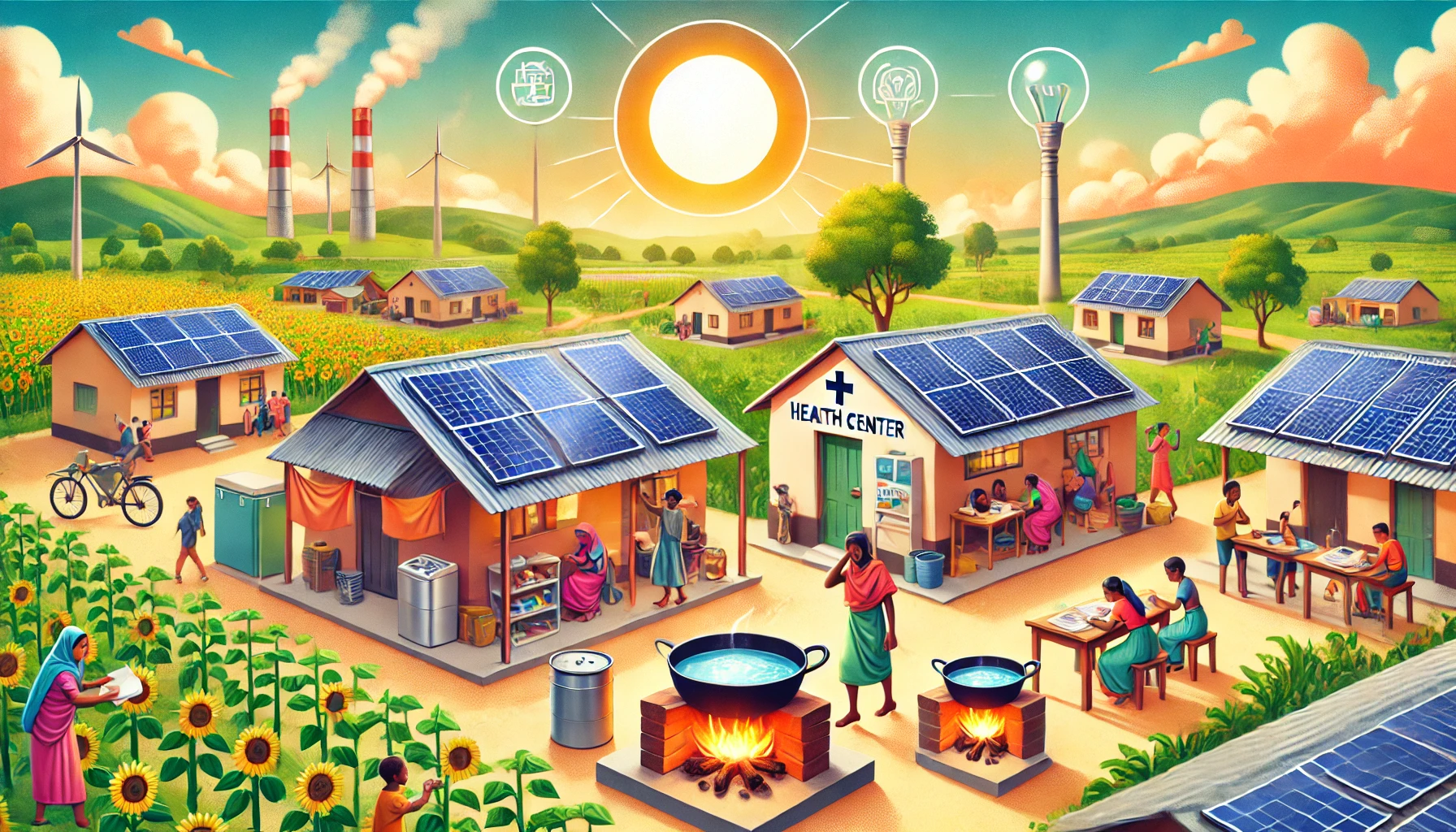
The World Bank (International Bank for Reconstruction and Development, IBRD) has successfully settled its USD 200 million Clean Cooking Outcome Bond, following pricing on 5 December 2025, marking another milestone in the evolution of outcome-linked financing for sustainable development.
The bond, which matures on 31 March 2032, attracted participation from more than ten global investors, including several investing in World Bank Outcome Bonds for the first time. This strong uptake highlights growing investor appetite for fixed-income instruments that combine capital preservation with measurable social and environmental impact. To date, the World Bank has issued six Outcome Bonds, drawing participation from over 25 investors worldwide, reflecting a steadily expanding and diversified investor base.
Geographically, investor participation in the Clean Cooking Outcome Bond was well distributed, with North America accounting for 46%, Europe 40%, and Africa, Asia, and the Pacific collectively 14%. Notably, the transaction marked the first-ever participation by an African investor in a World Bank Outcome Bond, underscoring increasing engagement from emerging markets in innovative sustainable finance structures.
The bond is 100% principal protected, with the full USD 200 million in proceeds supporting the World Bank's broader portfolio of sustainable development activities globally. Investors receive a fixed return, which is intentionally lower than the yield on standard World Bank bonds of comparable maturity. The portion of the return foregone by investors is instead frontloaded via a hedge transaction with Standard Chartered Bank and redirected to fund the distribution and use of clean cooking stoves in Ghana, implemented by UpEnergy, a carbon project developer.
In addition to the fixed coupon, investors have the opportunity to earn a variable return linked to the sale of carbon credits expected to be generated through the clean cooking interventions. These credits are anticipated to qualify as high-quality Internationally Transferred Mitigation Outcomes (ITMOs) under Article 6 of the Paris Agreement, supporting international climate cooperation and emissions reduction goals.
The Clean Cooking Outcome Bond responds directly to growing investor demand for instruments that deliver verifiable development outcomes alongside financial returns. Clean cooking remains a critical global challenge, with harmful cooking practices contributing to household air pollution, deforestation, greenhouse gas emissions, and serious health risks—particularly for women and children. In Ghana, the project aims to replace polluting and inefficient cooking methods with electric and improved charcoal cookstoves, improving health outcomes, reducing emissions, and supporting the country's energy transition.
Building on the success of this transaction, the World Bank continues to expand its pipeline of outcome bond issuances, refining structures that link capital markets with tangible development impact. The Bank's leadership in sustainable capital markets has been welcomed by a broad group of institutional investors, including Mackenzie Investments, Nuveen, Rathbones, RBC BlueBay Asset Management, Skandia, and Velliv, as well as Fidelity International, Legal & General, and ZEP-RE (PTA Reinsurance Company).
Investors highlighted the bond's innovative design, strong impact verification framework, and alignment with global climate and development goals. Several noted the transaction's contribution to advancing Article 6 mechanisms, closing the clean cooking financing gap—estimated at USD 8 billion globally by 2030—and demonstrating how pension and institutional capital can be mobilized for high-impact, real-world outcomes.
By linking investor returns to measurable environmental and social results while maintaining World Bank principal protection, the Clean Cooking Outcome Bond illustrates how financial innovation can accelerate progress toward the Sustainable Development Goals (SDGs), strengthen climate resilience, empower women, and improve livelihoods—particularly across Africa.
ALSO READ
-
Tanzania’s Growth Gains Need Better Jobs to Bring Lasting Prosperity to More Families
-
Tanzania’s Economy Gains Momentum, but Better Jobs Hold the Key to Broader National Prosperity
-
Tanzania’s Growing Economy Puts Better Jobs at the Heart of Its Next Growth Chapter
-
From Debt Pressure to AfCFTA: Africa Searches for a New Formula to Finance Growth and Jobs
-
World Bank Backs Tonga’s Push for Better Jobs and Business Growth With $15M Grant


 Google News