

Rising Costs and Inflation Concerns: A Political Battlefield in the U.S.
U.S. consumer prices surged in December due to rising rents and food costs, while moderate underlying inflation kept Federal Reserve interest rates steady. The affordability crisis strains President Trump, whose policies, including tariffs, played a role. The political landscape could shift as inflation impacts consumer confidence and approval ratings.
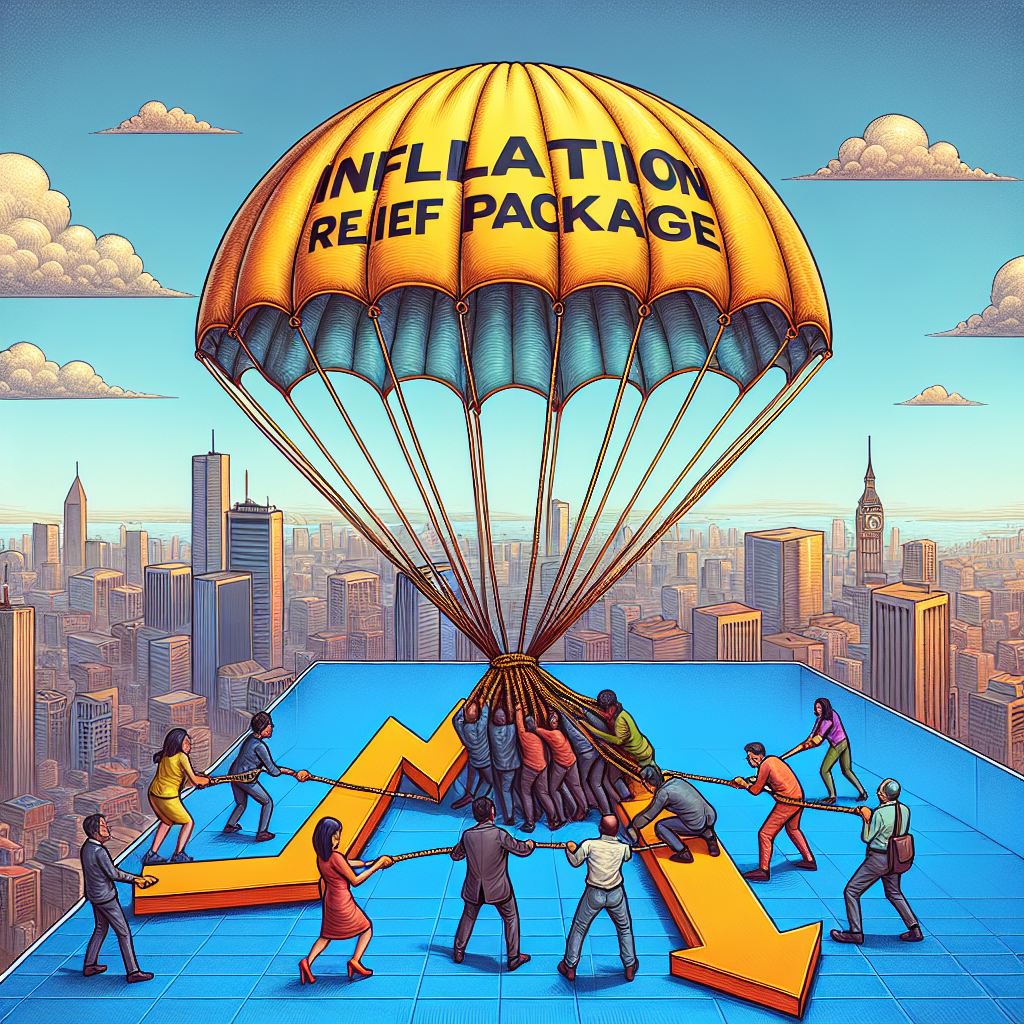
In December, U.S. consumer prices saw a noticeable increase, fueled by rising rents and food costs, according to a Labor Department report. This trend has reinforced expectations that the Federal Reserve will maintain current interest rates, despite discussions of potential rate cuts later this year.
Economists are divided on whether inflation has reached its peak. Yet, the data revealed significant price hikes in food and rents, highlighting the ongoing affordability challenge that President Donald Trump faces, partly attributed to his administration's import tariffs.
This inflationary trend poses political challenges as it erodes consumer confidence and affects President Trump's approval ratings. The stakes are high as Trump and the Republican Party aim to retain Congressional control. Higher living costs, specifically in food and housing, are likely to influence public sentiment more significantly than the moderate inflation rate celebrated by Wall Street investors.


 Google News