

Oil Surge Impacts Global Airlines: Fare Hikes and Travel Challenges
Air New Zealand announced fare increases amid rising jet fuel prices due to the Middle East conflict, which has disrupted global travel. The airline raised domestic, short-haul, and long-haul prices while monitoring supply and market conditions closely. High oil prices and airspace closures are affecting the entire travel industry.
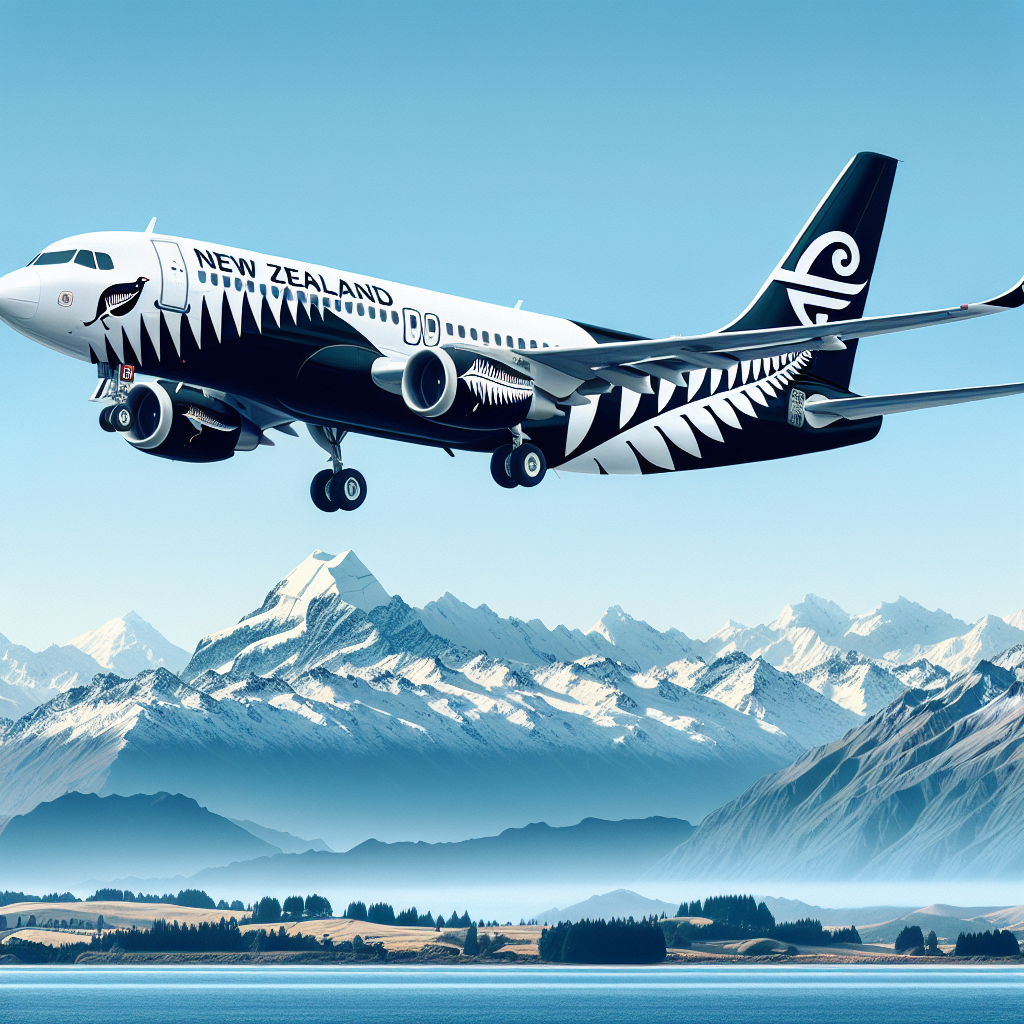
Amid the ongoing Middle East conflict, Air New Zealand has raised its fares, citing sharply increasing jet fuel costs. This move highlights the broader trend among global airlines to pass on rising oil costs to consumers. Prior to the conflict, jet fuel prices ranged from $85 to $90 per barrel but have recently spiked to between $150 and $200.
The airline has lifted economy fares across its routes, including a NZ$10 increase on domestic flights, NZ$20 on short-haul, and NZ$90 on long-haul international routes. Despite airspace closures significantly impacting the Asia-Europe flight paths, Air New Zealand stands among the first to declare widespread fare hikes since the conflict's onset.
Jet fuel's surging prices and restricted airspace routes are poised to significantly impact the travel industry. As carriers grapple with higher costs and route adjustments, there's a rising concern about the potential downturn in global travel, echoed through movements in airline stocks and evolving fare strategies worldwide.
ALSO READ
-
Tanzania’s Economy Gains Momentum, but Better Jobs Hold the Key to Broader National Prosperity
-
Seychelles Growth Set to Slow to 1% as Tourism Feels the Middle East Conflict’s Impact
-
Air Cargo Demand Climbs 4.4% as Airlines Face Soaring Fuel Costs Ahead of Peak Season
-
ADB Approves $1.5 Billion to Protect Philippines From Conflict-Driven Price Hikes
-
Surge in Mortgage Rates Amid Labor Market Stability and Middle East Conflict


 Google News