

WHO Releases New Roadmap for Antibiotics to Fight Drug-Resistant ‘Superbugs’
Despite ongoing research, WHO warns that progress remains insufficient to keep pace with the rapid evolution of antimicrobial resistance.
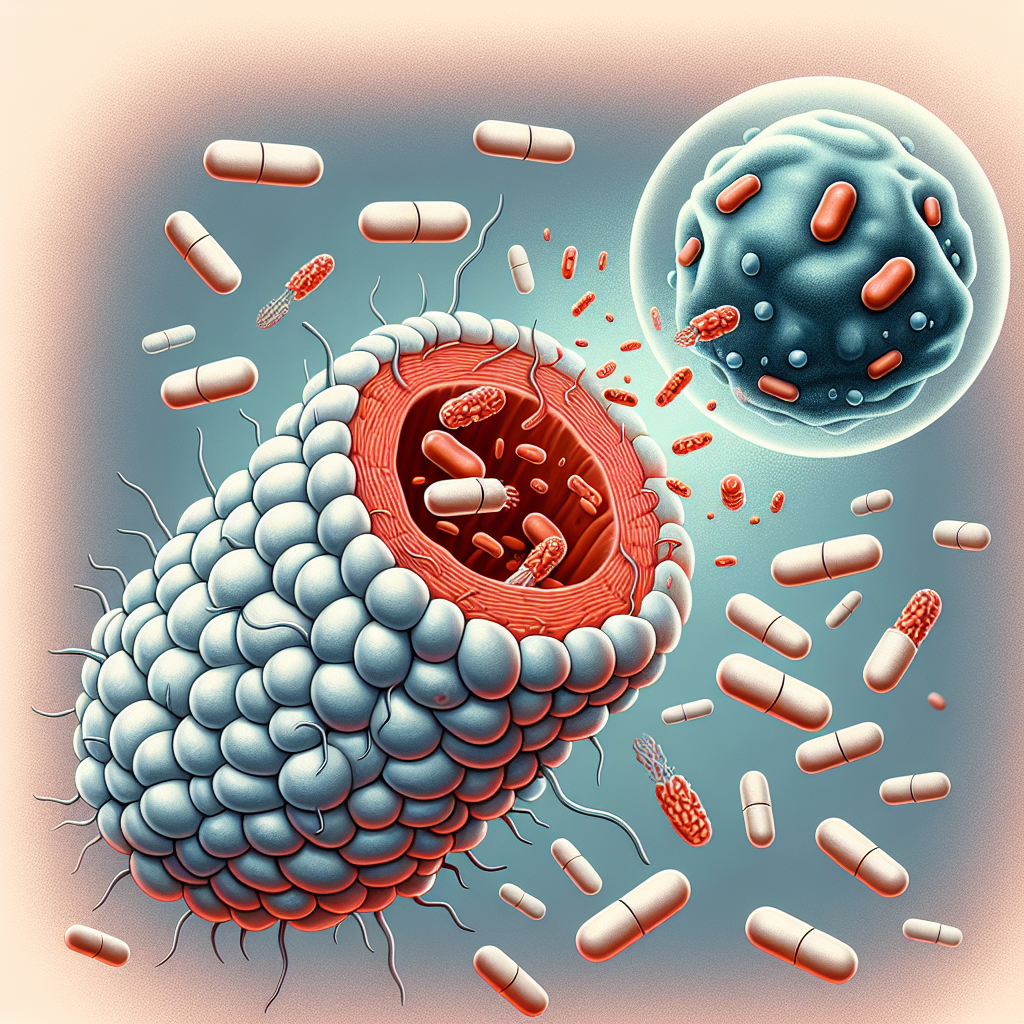
The World Health Organization (WHO) has issued three new Target Product Profiles (TPPs) aimed at accelerating the development of next-generation antibiotics to combat some of the world's most dangerous drug-resistant bacteria.
The guidance focuses on developing treatments for severe infections caused by antimicrobial-resistant pathogens, including those responsible for bloodstream infections, pneumonia, urinary tract infections and meningitis—conditions that disproportionately affect vulnerable and critically ill patients.
Addressing the Global Antibiotic Resistance Crisis
The new TPPs outline the minimum and preferred characteristics for future antibacterial medicines, providing a clear roadmap for researchers, pharmaceutical developers, regulators and investors to align innovation with urgent global health needs.
The profiles were developed through extensive global consultation with scientific experts and health authorities, and are designed to guide the development of antibiotics that target priority bacterial pathogens identified by WHO.
Despite ongoing research, WHO warns that progress remains insufficient to keep pace with the rapid evolution of antimicrobial resistance.
According to WHO's 2025 antibacterial pipeline analysis, around 90 antibacterial agents are currently in preclinical or clinical development, yet only a small number target the most critical drug-resistant bacteria—and even fewer represent truly innovative treatments.
"The scientific community has developed and approved new antibiotics in recent years. This is good, but unfortunately not sufficient to catch up with evolving drug-resistance bacteria, especially against those of greatest concern," said Dr Yvan Hutin, Director of Antimicrobial Resistance at WHO.
"We need a reliable pipeline with new antibacterial agents that are innovative, affordable, and accessible to all those who need them."
Three Global Priorities for New Antibiotics
The newly published TPPs identify three priority areas for antibacterial innovation, focusing on infections that cause the greatest global health burden.
1. Multidrug-Resistant Gram-Negative Infections
These infections include bacteria such as:
-
Carbapenem-resistant Enterobacterales
-
Acinetobacter baumannii
-
Pseudomonas aeruginosa
These pathogens commonly cause bloodstream infections, hospital-acquired pneumonia and ventilator-associated pneumonia, particularly in healthcare settings.
They are associated with high mortality rates, longer hospital stays and increased demand for intensive care, placing major pressure on healthcare systems.
2. Gram-Positive Infections in Critically Ill Patients
The second priority focuses on drug-resistant Gram-positive bacteria, especially vancomycin-resistant Enterococcus faecium (VRE).
These infections pose serious risks to immunosuppressed patients and those in intensive care units, where bloodstream infections are a frequent and life-threatening complication.
3. Drug-Resistant Bacterial Meningitis
The third priority targets community-acquired and healthcare-associated bacterial meningitis, including infections resistant to penicillin and cephalosporin antibiotics.
Bacterial meningitis remains one of the most severe infectious diseases globally:
-
Around 1 in 6 people affected die
-
About 1 in 5 survivors develop long-term disabilities, such as hearing loss, epilepsy or cognitive impairment.
Guiding Innovation and Investment
Each Target Product Profile provides detailed guidance on the desired performance characteristics of future antibiotics, including:
-
effectiveness against priority pathogens
-
safety and tolerability
-
pharmacokinetic properties
-
suitability for diverse patient populations
The guidance also emphasizes the need for treatments that can safely serve vulnerable groups, including:
-
immunocompromised patients
-
critically ill individuals
-
neonates and children
By clearly defining development targets, WHO aims to reduce risks for pharmaceutical research and encourage investment in antibiotic innovation, an area historically underfunded due to limited financial incentives.
Strengthening the Global Antibiotic Pipeline
The TPPs are part of a broader effort to strengthen the global antibiotic development pipeline and ensure new medicines are developed with both access and responsible use in mind.
The initiative also promotes closer collaboration between public institutions, private industry and research organizations to accelerate progress against antimicrobial resistance.
This work forms part of a joint programme between WHO and the European Commission's Health Emergency Preparedness and Response Authority (HERA) under the EU4Health initiative, which aims to strengthen global preparedness against health threats.
A Growing Global Health Threat
Antimicrobial resistance is considered one of the most serious threats to global public health, already contributing to millions of deaths annually.
Without urgent action, health experts warn that common infections and routine medical procedures could become far more dangerous as existing antibiotics lose their effectiveness.
By outlining clear targets for next-generation antibiotics, WHO hopes the new roadmap will help stimulate the innovation needed to stay ahead of drug-resistant "superbugs."
ALSO READ
-
People Are Living Longer, but WHO Figures Reveal Growing Cost of Poor Health
-
Netherlands and WHO Strengthen Health Partnership as Crises Put Care Under Pressure
-
Longer Lives, Unequal Care: UN Report Exposes Gaps in Support for Older People Globally
-
Kazakhstan Connects Over 200 Health Workers With Global Clinical Research Experts
-
Higher Tobacco Taxes Cut Smoking and Show How Health Levies Can Change Daily Lives


 Google News