

EIB Global Commits €110M to Empower Ethiopian Farmers to Boost Rural Finance
The investment, channelled through the Development Bank of Ethiopia (DBE), is set to benefit thousands of smallholder farmers and micro, small and medium-sized enterprises (MSMEs) across the country.
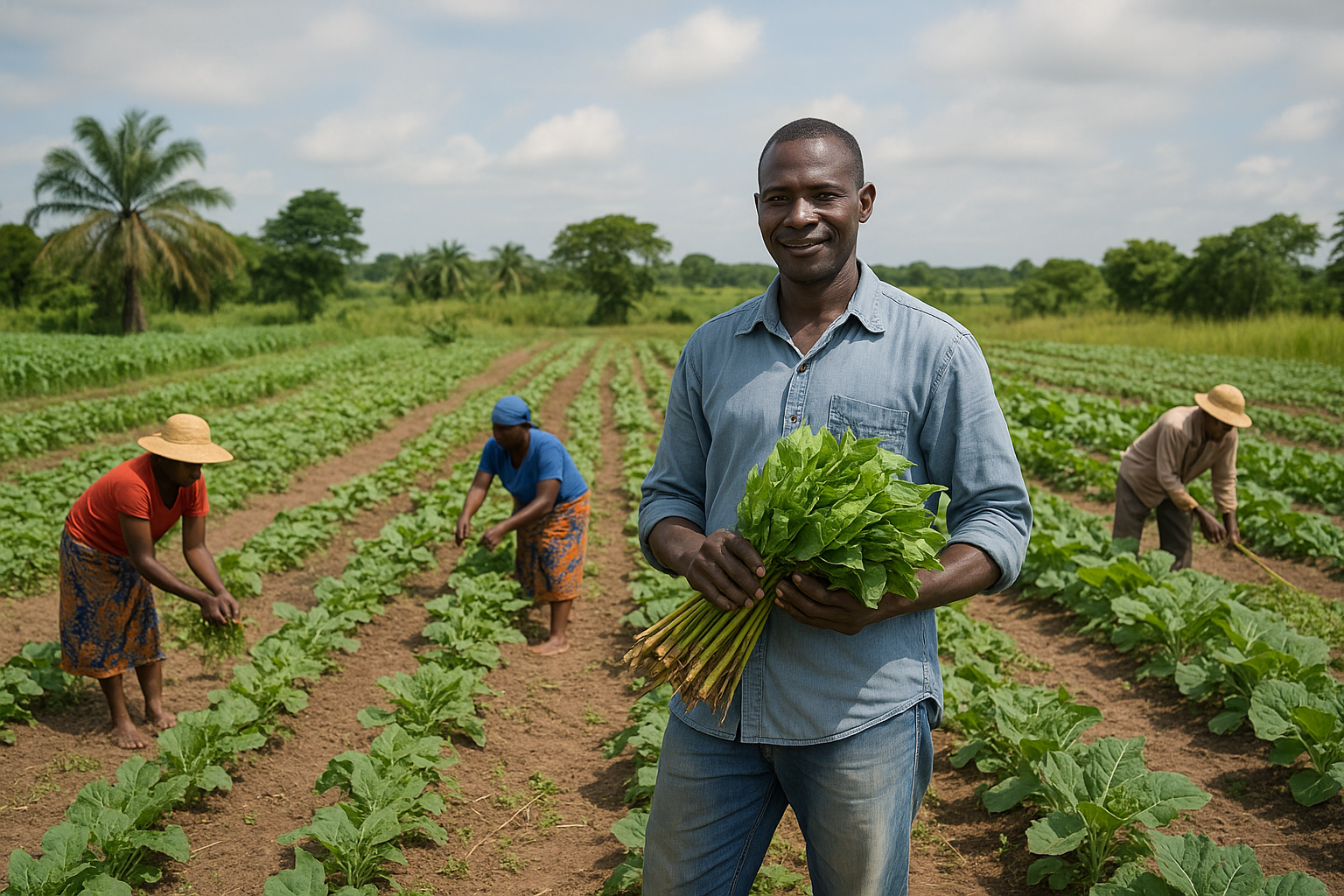
- Country:
- Ethiopia
In a major push to transform Ethiopia's rural economy, the European Investment Bank's development arm, EIB Global, has announced a €110 million financing package aimed at improving agricultural productivity, expanding access to finance, and strengthening climate resilience among farmers and rural enterprises.
The investment, channelled through the Development Bank of Ethiopia (DBE), is set to benefit thousands of smallholder farmers and micro, small and medium-sized enterprises (MSMEs) across the country. By targeting financial institutions operating in rural areas—including microfinance institutions and Rural Savings and Credit Cooperatives (RUSACCOs)—the programme seeks to bridge long-standing financing gaps that have constrained agricultural growth.
The initiative forms part of the third phase of Ethiopia's flagship Rural Financial Intermediation Programme (RUFIP III), a government-led effort to enhance the competitiveness, inclusivity, and resilience of the agricultural sector. Through this structure, funds will flow from DBE to local lenders and ultimately to farmers and agribusinesses, ensuring grassroots-level impact.
A key highlight of the programme is its strong focus on inclusion and sustainability. Half of the total financing—50%—is specifically earmarked for women, reflecting the reality that women make up more than half of Ethiopia's agricultural workforce yet continue to face significant barriers in accessing credit. By prioritising women-led and women-focused enterprises, the initiative aims to unlock untapped economic potential and drive more equitable growth.
In parallel, at least 20% of the funding will be directed toward climate adaptation and environmental sustainability. This includes support for farmers to better withstand climate-related risks such as droughts, floods, and pest outbreaks—threats that have increasingly disrupted agricultural output in recent years.
EIB Vice-President Ambroise Fayolle emphasised the strategic importance of inclusive finance in addressing global challenges, noting that empowering women and strengthening climate resilience are not only social priorities but also critical to long-term economic stability.
The programme is expected to deliver wide-ranging benefits, including improved access to finance, increased agricultural productivity, higher household incomes, and more resilient rural livelihoods. It also aligns closely with Ethiopia's National Financial Inclusion Strategy II and the European Union's Global Gateway strategy, which promotes sustainable investment and development partnerships across Africa.
An additional €8.5 million in technical assistance—funded through the EIB-managed ACP Trust Fund—will further enhance the programme's impact. This component includes subsidies for climate-risk insurance products, enabling rural financial institutions to offer weather-index insurance to farmers. Such tools are crucial in protecting farmers from climate shocks while reducing lending risks for financial institutions, thereby encouraging greater investment in sustainable agriculture.
Capacity-building measures are also central to the initiative. Rural lenders will receive training to strengthen their agricultural lending practices and improve compliance with environmental and social standards. At the same time, farmers and agribusinesses will benefit from financial literacy programmes, improved farming techniques, and guidance on climate adaptation strategies.
Dr. Esayas Kassa, President of the Development Bank of Ethiopia, described the programme as transformative, highlighting its role in building a more inclusive and climate-conscious financial system. Ethiopian Finance Minister Ahmed Shide echoed this sentiment, calling the agreement a significant milestone in strengthening the country's long-standing partnership with the EIB.
European Commissioner for International Partnerships Jozef Sikela underscored the broader significance of the investment, noting that expanding financial access for smallholder farmers—especially women—will enable them to grow their businesses, adapt to climate change, and secure more stable livelihoods.
The programme also benefits from collaboration with key international partners, including the International Fund for Agricultural Development (IFAD), the Food and Agriculture Organisation (FAO), and the World Food Programme (WFP), which is piloting climate-risk insurance solutions to further enhance resilience.
With more than 40 years of cooperation between EIB Global and Ethiopia, this latest investment builds on a strong foundation of development support across sectors such as energy, water, transport, and SME financing. To date, EIB Global has invested approximately €577 million in the country, with plans to expand further through new projects in the pipeline.
As Ethiopia continues its journey toward becoming a middle-income economy, the €110 million RUFIP III financing represents a critical step in empowering rural communities, modernising agriculture, and building a more resilient, inclusive, and sustainable economic future.


 Google News