

Transnet Opens Bidding for Cape Town Liquid Bulk Terminal in Major 25-Year Port Concession
The project is expected to play an important role in supporting regional fuel logistics, bunkering services and liquid bulk cargo growth at one of South Africa’s most strategically located ports.
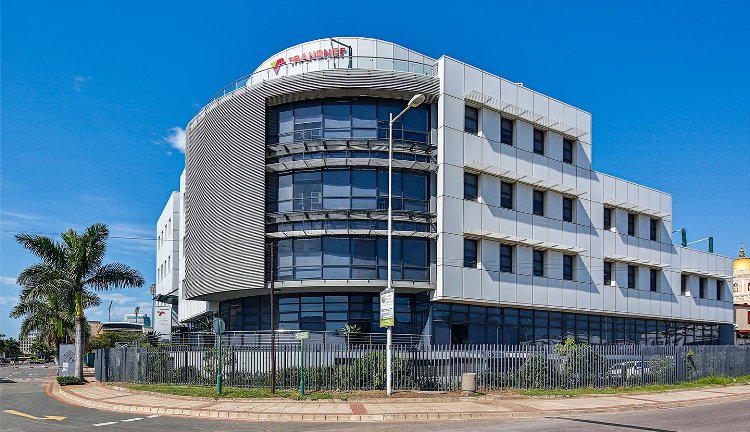
- Country:
- South Africa
South Africa's Transnet National Ports Authority (TNPA) has launched a major private-sector investment initiative at the Port of Cape Town, inviting bids for a 25-year concession to finance, operate, maintain, refurbish and potentially expand a strategically important liquid bulk terminal facility.
The Request for Proposals (RFP), announced by TNPA, forms part of broader efforts to modernise South Africa's port infrastructure, strengthen fuel supply capabilities and improve operational efficiency through long-term private sector participation.
The project is expected to play an important role in supporting regional fuel logistics, bunkering services and liquid bulk cargo growth at one of South Africa's most strategically located ports.
Cape Town Port Targets Expanded Liquid Bulk Operations
The concession project centres around an existing brownfield liquid bulk terminal development located within the Port of Cape Town.
According to TNPA, the site currently includes:
-
a tank farm with eight storage tanks
-
combined storage capacity of approximately 44,430 cubic metres
-
adjacent storage warehouse
-
administrative facilities
The infrastructure also provides connectivity to:
-
Tanker Basin 1
-
Tanker Basin 2
allowing access to common-user berths that support both:
-
local refinery-linked fuel supply
-
imported bunkering products
Officials say the facility represents a strategically valuable asset within South Africa's maritime fuel and logistics ecosystem.
Private Sector Participation Central to Modernisation Strategy
Through the concession model, TNPA aims to attract an experienced terminal operator capable of:
-
upgrading infrastructure
-
improving operational efficiency
-
increasing liquid bulk cargo throughput
-
strengthening bunkering services
-
ensuring long-term sustainability
The selected operator will be responsible for financing and managing the terminal over the full 25-year concession period.
Industry analysts note that the move reflects broader efforts by Transnet and the South African government to use public-private partnerships to revitalise critical logistics infrastructure.
Cape Town Positioned as Strategic Maritime Fuel Hub
Acting Port Manager at the Port of Cape Town, Ophelia Shabane, described the project as strategically important for expanding liquid bulk trade and maritime services.
"The Port of Cape Town is strategically positioned to support multiple liquid bulk operations, and this RFP allows for private sector participation to enhance liquid bulk cargo volumes whilst strengthening bunkering capabilities and revenue generation," Shabane said.
She noted that the project aims to preserve and improve critical liquid bulk services while supporting broader economic growth and infrastructure utilisation.
Bunkering Capacity Seen as Key Growth Opportunity
A major focus of the concession is strengthening Cape Town's bunkering capabilities.
Bunkering refers to the supply of fuel to ships and is considered a critical component of global maritime logistics.
Experts say Cape Town's geographic location along major international shipping routes gives it significant potential as a regional bunkering hub.
Improved bunkering infrastructure could help:
-
increase port revenues
-
attract more vessel traffic
-
strengthen maritime trade services
-
improve supply-chain efficiency
-
support regional fuel distribution
The concession is therefore expected to have implications beyond local port operations.
Existing Infrastructure to Be Modernised
The concession allows for:
-
refurbishment of current facilities
-
operational modernisation
-
possible infrastructure expansion
-
enhanced storage capabilities
-
improved operational systems
Officials indicated that modernising the existing brownfield infrastructure is a key objective of the project.
The terminal operator is expected to optimise the use of current assets while upgrading facilities to meet evolving market demands and operational standards.
Market Demand Underpins Project Viability
According to TNPA, the concession process is supported by "demonstrable market demand," which informed the decision to proceed with the operator appointment.
Shabane stated that the new operator is expected to:
-
ensure operational continuity
-
deliver efficiency improvements
-
modernise infrastructure
-
maximise infrastructure utilisation
The project is also expected to strengthen the long-term financial sustainability of the Port of Cape Town.
Transnet Pursuing Broader Port Infrastructure Reform
The RFP forms part of wider efforts by Transnet to attract private investment into South Africa's logistics and port sectors amid mounting pressure to improve operational performance and infrastructure reliability.
South Africa's ports have faced growing challenges in recent years including:
-
congestion
-
equipment failures
-
infrastructure deterioration
-
logistical inefficiencies
-
declining competitiveness
Government and industry leaders have increasingly promoted public-private collaboration as a mechanism for accelerating infrastructure renewal and operational reform.
Liquid Bulk Sector Critical to Energy Security
Liquid bulk terminals play an important role in supporting:
-
fuel imports
-
energy supply chains
-
industrial operations
-
maritime logistics
-
regional trade flows
Industry observers note that maintaining efficient liquid bulk infrastructure is particularly important given South Africa's evolving fuel supply dynamics and refinery sector changes.
The Port of Cape Town's terminal supports both:
-
domestic fuel distribution
-
imported fuel and bunkering operations
making it strategically important for regional energy logistics.
TNPA Oversees National Port System
TNPA operates as the landlord authority responsible for South Africa's commercial ports.
The organisation manages port infrastructure and marine services across the country's eight major commercial seaports:
-
Richards Bay
-
Durban
-
Saldanha
-
Cape Town
-
Port Elizabeth
-
East London
-
Mossel Bay
-
Ngqura
Its responsibilities include ensuring the safe, effective and economically efficient functioning of the national port system.
Bidding Documents Made Publicly Available
Interested parties can access the RFP documentation through:
-
National Treasury's e-tender portal
-
Transnet's official website
Officials expect strong interest from operators with expertise in:
-
liquid bulk logistics
-
terminal operations
-
fuel storage infrastructure
-
maritime energy services
Port Sector Seen as Key Economic Driver
South Africa's ports remain critical to the country's economy, supporting:
-
international trade
-
industrial supply chains
-
mining exports
-
fuel imports
-
logistics connectivity
Analysts say improving port efficiency and infrastructure performance will be essential for boosting South Africa's competitiveness and economic recovery prospects.
The Cape Town liquid bulk terminal concession is being viewed as part of a broader strategic shift toward:
-
infrastructure modernisation
-
operational partnerships
-
private sector investment
-
long-term logistics reform
Maritime and Energy Logistics Becoming Increasingly Strategic
As global shipping routes evolve and energy supply chains become more complex, experts say strategic maritime fuel infrastructure is likely to grow in importance.
Cape Town's location along key international maritime corridors positions the port to benefit from increasing shipping activity, particularly in:
-
bunkering services
-
fuel logistics
-
regional maritime trade
The success of the concession process could potentially shape future private participation models across South Africa's broader port and logistics sectors.


 Google News