

AfDB Approves €200M Programme to Boost Skills and Employment in Morocco
The programme will use a results-based financing model, focusing on measurable improvements in vocational training quality, accessibility, and alignment with the evolving needs of businesses and industries.
- Country:
- Ivory Coast
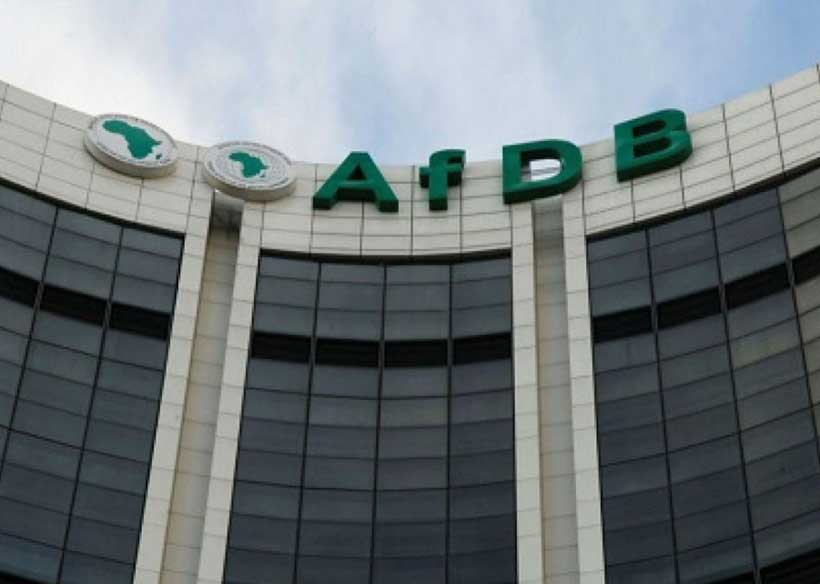
The African Development Bank Group (AfDB) has approved a major €200 million financing package to support Morocco's ambitious new programme aimed at improving employment opportunities for young people and women through expanded vocational training and digital transformation.
The initiative, titled "Cap Compétences 2030", is designed to modernise Morocco's skills development system, strengthen workforce readiness, and improve labour market integration at a time when many countries across Africa are facing rising youth unemployment and growing demand for specialised skills.
The programme will use a results-based financing model, focusing on measurable improvements in vocational training quality, accessibility, and alignment with the evolving needs of businesses and industries.
Officials say the initiative represents a significant step toward preparing Morocco's workforce for the demands of a rapidly changing global economy increasingly shaped by digital technologies, automation, and industrial transformation.
The African Development Bank explained that the programme will strengthen the relevance and effectiveness of vocational education through expanded digital services, broader learning opportunities, and stronger partnerships between training institutions and employers.
The Cap Compétences 2030 initiative is structured around three major pillars:
-
Skills development and strategic partnerships
-
Inclusive training programmes aligned with labour market needs
-
Digital transformation supported by stronger institutional capacity
The programme aims to expand access to vocational and professional training while ensuring education pathways are more closely connected to real employment opportunities.
A major focus will be placed on increasing opportunities for young people and women, two groups often disproportionately affected by unemployment and labour market inequality.
Officials say the initiative will help diversify training options, modernise educational systems, and strengthen professional integration mechanisms that support graduates entering the workforce.
The programme also seeks to improve coordination between public institutions, private businesses, and training providers to ensure that workforce development matches emerging economic sectors and future employment trends.
Achraf Tarsim, Country Manager of the African Development Bank Group in Morocco, said the programme closely aligns with Morocco's national economic and employment priorities.
According to Tarsim, Cap Compétences 2030 supports the goals outlined in Morocco's National Employment Roadmap 2025–2030, which focuses on job creation, economic inclusion, and human capital development.
He added that the programme also reflects the African Development Bank's broader strategic framework known as the Four Cardinal Points, which prioritises sustainable growth, inclusion, and economic transformation across African economies.
"Our shared objective is to harness the demographic dividend to create value and expand employment opportunities, especially for young people and women," Tarsim said.
The concept of a "demographic dividend" refers to the economic growth potential that can arise when a country has a large working-age population supported by strong education and employment systems.
Morocco, like many African nations, has a young and growing population, creating both opportunities and challenges for policymakers seeking to generate sufficient jobs and skills development pathways.
The African Development Bank noted that its intervention is being implemented in close collaboration with other technical and financial partners in order to improve policy coordination and maximise the impact of reforms.
Officials say the programme will strengthen ongoing labour market reforms while improving the efficiency and reach of existing vocational training systems.
The initiative also reflects the Bank's long-term commitment to supporting Morocco's economic and social development.
Over the years, the African Development Bank has invested heavily across multiple sectors in Morocco, including education, healthcare, infrastructure, energy, governance, and employment generation.
Since its establishment, the Bank has mobilised more than €15 billion for projects and programmes throughout the country.
Experts say investments in vocational education and workforce development are becoming increasingly important as African economies seek to improve competitiveness, reduce unemployment, and adapt to technological change.
Digital transformation is expected to play a central role in the Cap Compétences 2030 programme, with training systems likely to incorporate more online learning platforms, digital management tools, and technology-focused curricula.
The programme is also expected to strengthen inclusion by improving access to education and employment pathways for underserved populations, particularly women and young people living in vulnerable economic conditions.
Development analysts believe initiatives such as Cap Compétences 2030 could help create a more adaptable and future-ready workforce capable of supporting Morocco's long-term economic growth ambitions.
ALSO READ
-
African Development Bank Steps Up Push to Deliver Roads, Airport and Services in CAR
-
DRC Pushes Electricity Reforms to Protect Household Budgets and Unlock Power Investment
-
AfDB and Germany Join Forces to Connect Africa Through Better Rail
-
Morocco Secures €270 Million for Airport Upgrades as Passenger Demand Keeps Growing
-
AfDB Shifts Focus in CAR From Funding Projects to Fixing Delivery Bottlenecks


 Google News