

ADRiFi Programme Brings Hope and Water Security to Drought-Hit Communities in Mozambique
The newly built infrastructure is managed through local water committees responsible for protecting and maintaining the systems for future generations.
- Country:
- Ivory Coast
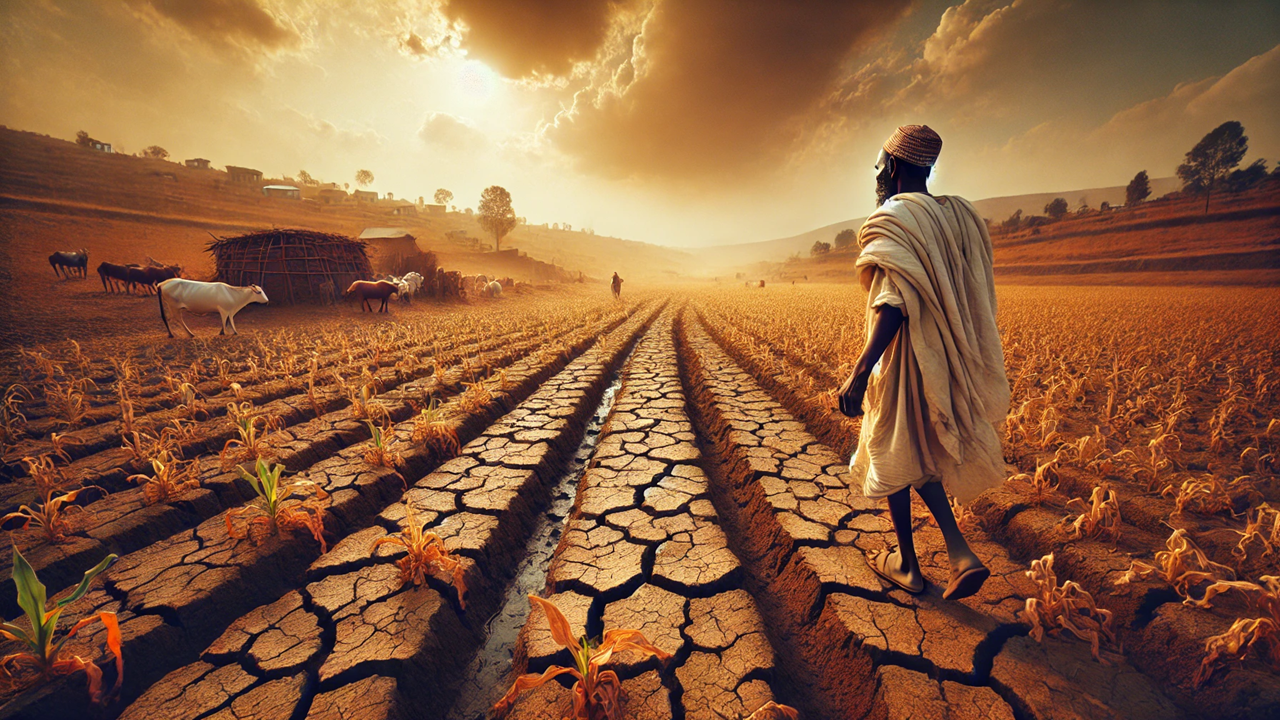
For years, families in Mozambique's Magude District lived at the mercy of relentless droughts. Crops failed repeatedly, rivers dried up, livestock weakened, and communities struggled daily to secure enough water for survival. Located in Maputo Province, the district became one of the many areas across southern Africa increasingly affected by climate change and unpredictable weather patterns.
But a new resilience programme backed by the African Development Bank Group is beginning to change lives in the region. Through climate insurance, emergency financing, and water infrastructure investments, communities in Magude are rebuilding their futures with renewed hope and greater security.
ADRiFi Programme Strengthens Climate Resilience
The transformation in Magude has been driven by the Africa Disaster Risk Financing (ADRiFi) programme, an initiative created to help African countries respond more effectively to climate-related disasters such as droughts and cyclones.
Supported by the African Development Bank Group, ADRiFi uses innovative financial tools including parametric insurance and contingency financing to ensure rapid emergency support when disasters strike. Unlike traditional disaster aid, which can take months to arrive, the programme allows automatic payouts based on climate triggers such as rainfall shortages or severe drought conditions.
Since its launch in 2018, ADRiFi has mobilised more than $150 million in funding from the African Development Bank and international donor partners. The programme currently operates across 18 African countries and protects more than eight million people vulnerable to climate shocks.
The initiative is funded through the ADRiFi Multi-Donor Trust Fund, established in 2021 with support from Canada, Norway, the Netherlands, Switzerland, the United Kingdom, and the United States.
Water Infrastructure Changes Daily Life
One of the programme's major achievements in Magude has been the construction and rehabilitation of water points, reservoirs, and storage systems under the Climate Insurance, Finance and Resilience Project (CLINFREDEP).
For local families, the impact has been immediate and life-changing.
Women who once spent hours walking long distances to fetch water can now access clean water close to their homes. Children are spending more time in school instead of helping search for water, while farmers are beginning to cultivate land again with greater confidence.
Community leader Isaque Mundlovo described the emotional impact of the project, saying the initiative restored hope to people who had begun to feel abandoned after years of hardship.
The newly built infrastructure is managed through local water committees responsible for protecting and maintaining the systems for future generations.
Climate Insurance Delivers Rapid Emergency Support
A major component of the programme is its innovative use of climate risk insurance through the African Risk Capacity (ARC), a specialised African Union agency designed to help governments respond quickly to climate disasters.
When severe drought conditions linked to El Niño struck southern Africa, Mozambique received a rapid insurance payout of $1.89 million through the ADRiFi-supported mechanism. The payout formed part of a broader $60 million regional insurance disbursement benefiting several southern African countries including Malawi, Zambia, Zimbabwe, and Mozambique.
The funding allowed authorities to deliver emergency food assistance and drought response measures without lengthy international aid appeals.
Approximately 1,045 households in Magude received food assistance during the drought period, helping vulnerable families avoid deeper food insecurity and displacement.
Thousands Benefit from Improved Water Access
By October 2025, the programme had already produced measurable improvements across Magude District.
According to project figures:
-
6,728 people gained improved access to clean water
-
2,561 women directly benefited from water infrastructure improvements
-
8,797 cattle gained access to reliable drinking water
-
More than 1,000 households received drought-related food support
The improvements have helped revive local agriculture, reduce pressure on families, and protect livelihoods that were previously threatened by worsening climate conditions.
Climate Change Continues to Threaten Southern Africa
Southern Africa remains one of the regions most vulnerable to climate change, with recurring droughts, cyclones, floods, and extreme weather events becoming more frequent and severe.
Mozambique has experienced devastating cyclones and prolonged droughts over recent years, causing widespread displacement, infrastructure damage, and food shortages.
Rural communities dependent on farming and livestock are particularly vulnerable because their livelihoods rely heavily on stable rainfall and access to water resources.
Experts warn that climate adaptation and disaster preparedness are becoming increasingly urgent across Africa as temperatures rise and weather patterns grow more unpredictable.
Mozambique's Strategy for Long-Term Resilience
Magude's experience is now being viewed as part of a broader national resilience strategy focused on combining climate insurance, rapid emergency financing, and local infrastructure development.
In October 2025, the African Development Bank and the Government of Mozambique jointly hosted the Continental Climate Disaster Risk Financing and Insurance Forum in Maputo, where Magude's success story was presented to African finance ministers, disaster management officials, donor agencies, and climate experts.
The event highlighted how innovative financing systems can help countries move away from slow post-disaster aid models toward faster and more predictable climate responses.
African Development Bank Expands Climate Finance Leadership
The African Development Bank says the ADRiFi programme reflects two major priorities of its development strategy: improving access to capital and strengthening African financial systems.
By helping countries pay climate insurance premiums and access international risk markets, the Bank is enabling governments to prepare financially for disasters before crises occur.
Officials say this proactive approach is far more effective than relying solely on emergency humanitarian appeals after disasters strike.
Working closely with Mozambique's National Institute of Disaster Management (INGD), the African Development Bank aims to demonstrate that climate resilience is not only about infrastructure and finance, but also about restoring dignity, stability, and opportunity to vulnerable communities.
For residents of Magude, the changes already underway offer a powerful example of how targeted climate investments can help communities survive and adapt in an increasingly uncertain world.
ALSO READ
-
African Development Bank Steps Up Push to Deliver Roads, Airport and Services in CAR
-
DRC Pushes Electricity Reforms to Protect Household Budgets and Unlock Power Investment
-
AfDB and Germany Join Forces to Connect Africa Through Better Rail
-
Morocco Secures €270 Million for Airport Upgrades as Passenger Demand Keeps Growing
-
AfDB Shifts Focus in CAR From Funding Projects to Fixing Delivery Bottlenecks


 Google News