

Dollar Gains as Middle East Tensions Escalate
The dollar hit a one-week high amid rising Middle East tensions following U.S. strikes on Iran. The yen weakened towards a level that previously prompted intervention from Japan's central bank. The market is focused on the Federal Reserve's interest rate outlook as the core PCE deflator release approaches.
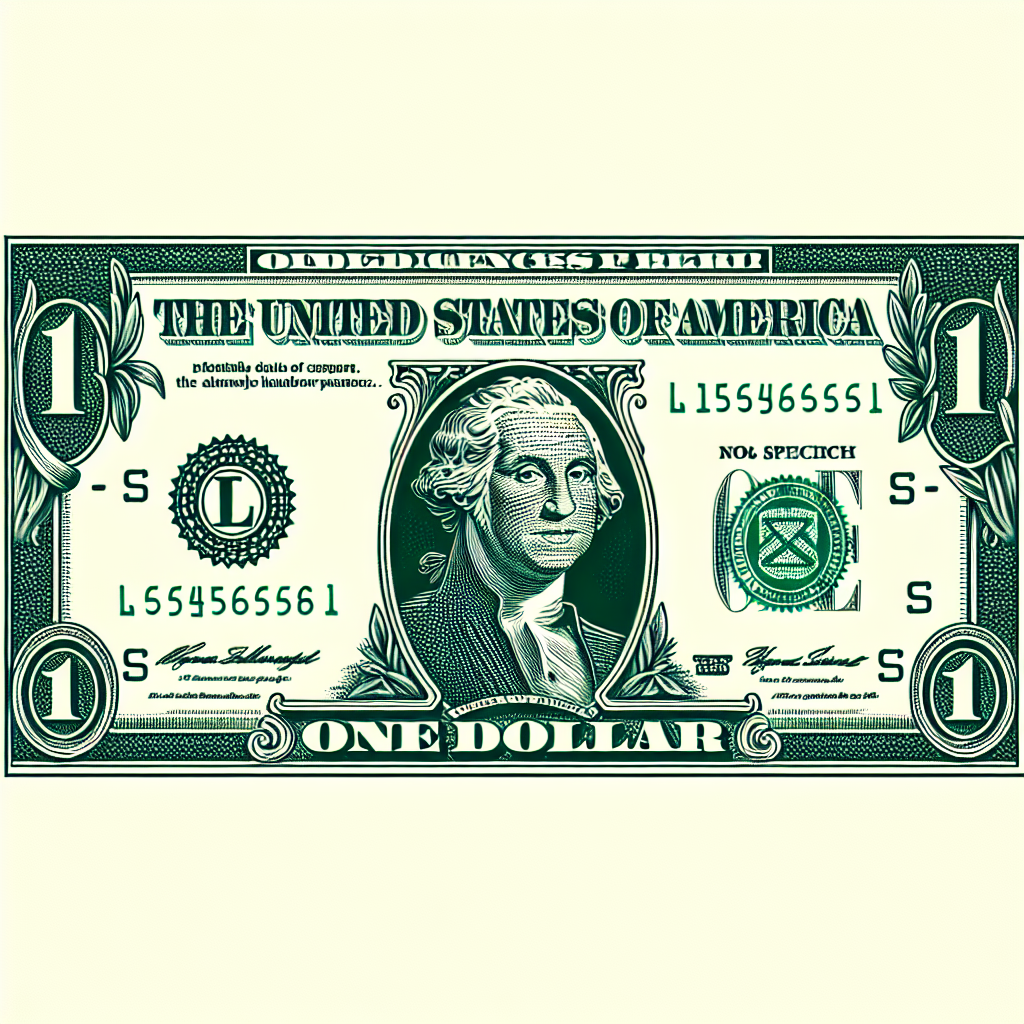
The dollar rose to its highest in a week on Thursday as tensions surged in the Middle East after the U.S. launched fresh strikes on Iran. Concurrently, the yen weakened, verging on a level that recently prompted intervention by Japan's central bank.
Iran's Revolutionary Guards claimed responsibility for targeting a U.S. airbase in response to an alleged attack by the United States near Bandar Abbas. Meanwhile, Kuwait reported intercepting hostile missiles and drones. The U.S., aiming to preempt threats to its forces and commercial shipping, targeted an Iranian drone operation in the Strait of Hormuz. In response, oil prices bounced back and the dollar stabilized, as investors anticipate a stronger greenback amidst persistent inflation and rising energy prices.
Alex Saunders of Citi pointed to geopolitics and inflation as major concerns, while the Federal Reserve's upcoming core PCE deflator release will shape future interest rate expectations. The yen's drop saw it near 160 per dollar, a level prompting Japanese intervention last month. Market analysts question the intervention’s lasting impact, pondering future actions should the yen breach this level again.


 Google News