

SpiceJet's Financial Turbulence: Navigating Salary Delays and Seeking Government Aid
Indian airline SpiceJet faces financial difficulties, delaying pilot salaries and seeking government-backed loans. Once a market leader, with 15% share in 2019, its share has dropped to 3.4%. The airline struggles due to Middle East conflict, high fuel prices, and operational challenges. Efforts to stabilize include increasing fleet capacity.
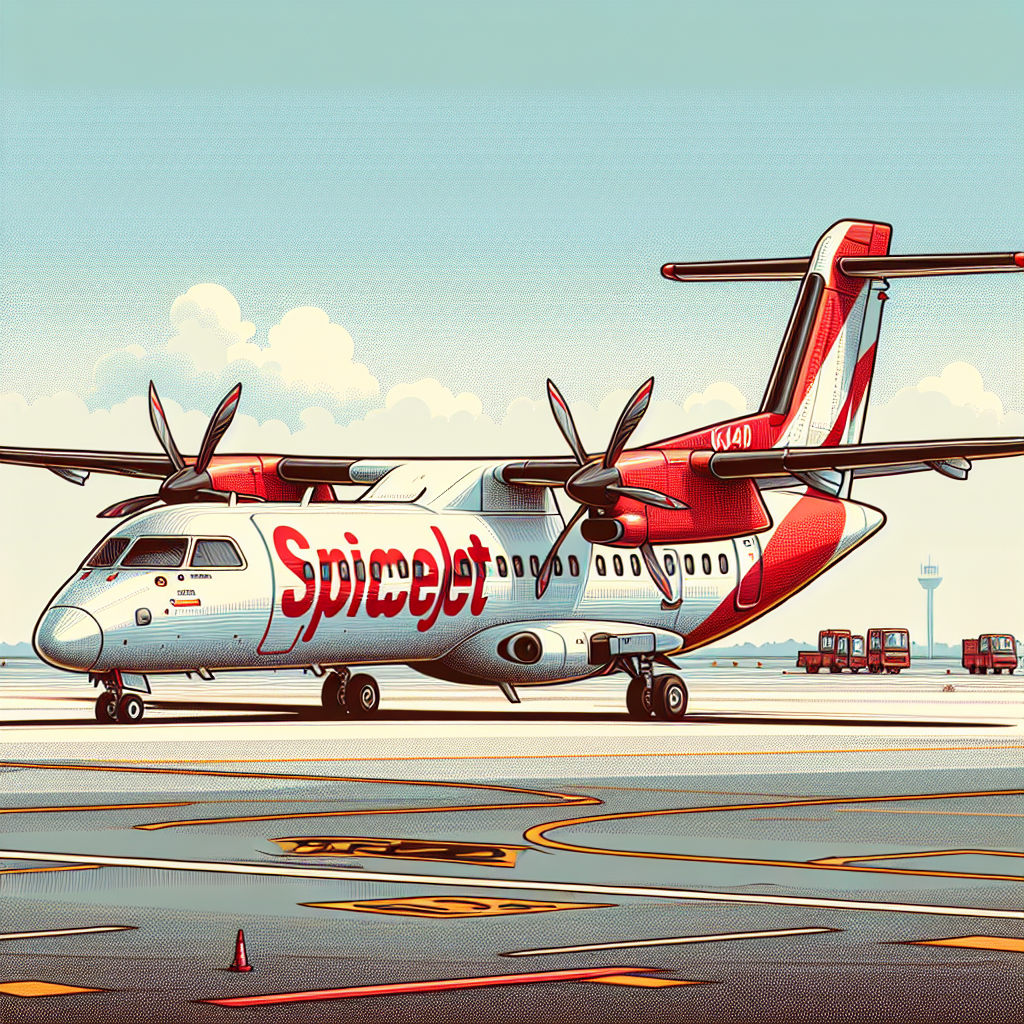
SpiceJet, an Indian airline, has been grappling with prolonged financial challenges, resulting in delayed salary payments for its pilots since March, as revealed in internal communications accessed by Reuters. The struggling carrier is seeking an emergency loan under a government-supported credit scheme to stabilize its operations.
In 2019, SpiceJet held the position of India's second-largest domestic carrier, but its market share has dramatically declined from 15% to 3.4%. This troubling financial landscape has been exacerbated by the Middle East conflict, triggering a spike in fuel prices and restricting airspace access—a situation that has also affected major competitors like IndiGo and Air India.
To address these difficulties, SpiceJet is actively pursuing funding through the Indian government’s Emergency Credit Line Guarantee Scheme, allowing airlines to secure loans up to 15 billion rupees. The airline anticipates normalcy in operations soon, having reintroduced a Boeing 737 MAX and planning to lease Airbus A320 aircraft to meet growing passenger demand.


 Google News