

Latin America Exports Surge as Trade Growth Gains Pace
Mining products were among the strongest contributors to export growth, with gold and copper shipments delivering significant gains across the region.
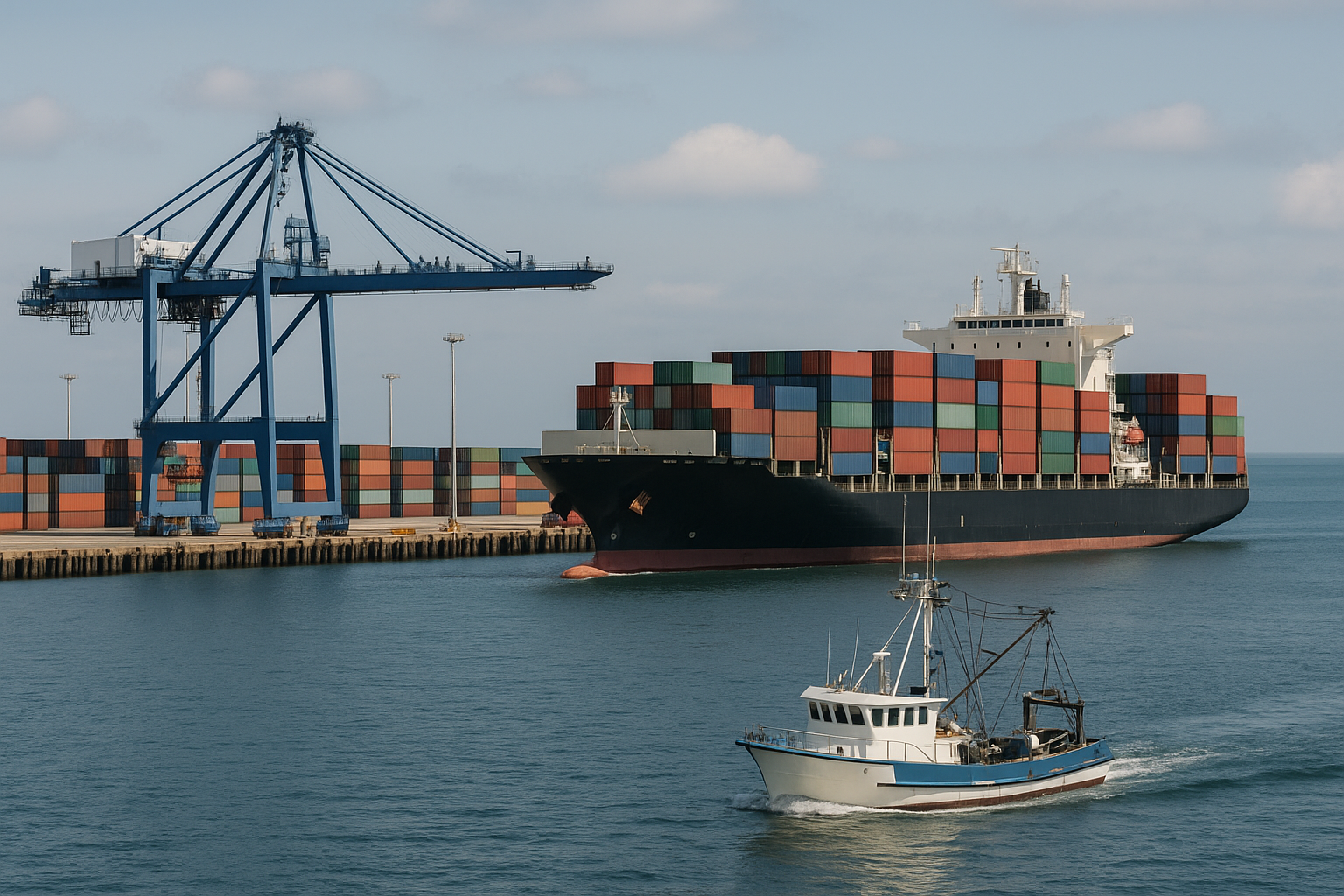
Exports from Latin America and the Caribbean posted strong growth at the start of 2026, driven by rising demand for key commodities and agricultural products despite continuing uncertainty in global markets.
According to the latest Trade Trends Estimates – Latin America and the Caribbean report from the Inter-American Development Bank (IDB), the value of regional goods exports increased by 15.7 per cent year-on-year during the first quarter of 2026, following growth of 7.8 per cent in 2025. The increase was supported by higher export volumes as well as stronger prices across several major sectors.
Commodities and Agriculture Lead Export Gains
Mining products were among the strongest contributors to export growth, with gold and copper shipments delivering significant gains across the region. Agribusiness exports also performed strongly, helped by rising sales of soybeans, coffee and meat products in international markets. Oil exports added further momentum, supporting many commodity-producing economies as global demand remained resilient.
Paolo Giordano, principal economist in the IDB's Productivity, Trade and Innovation Sector, said the latest figures show the region is continuing to strengthen its export performance while adapting to a challenging and unpredictable global trade environment. The report suggests the current momentum presents an opportunity for governments to pursue reforms aimed at improving productivity, increasing competitiveness and broadening participation in international markets.
Imports Also Show Strong Expansion
Imports across Latin America and the Caribbean also accelerated during the period. Total imports grew by an estimated 6.7 per cent in 2025 before rising by 9.7 per cent year-on-year during the first quarter of 2026. Much of that growth was driven by purchases from markets outside the region, while trade between Latin American and Caribbean countries expanded at a more moderate pace. The stronger import performance reflects continuing economic activity and demand across several major economies in the region.
Outlook Remains Positive Despite Global Uncertainty
The IDB said the overall trade outlook remains favourable, although several risks could influence performance in the coming months. Shifting global commodity prices continue to create both opportunities and challenges. Higher prices for energy and food could benefit commodity exporters while placing additional pressure on countries that rely heavily on imports. Rising fertilizer and transportation costs may also increase production and distribution expenses for exporters, affecting competitiveness in some sectors.
Commodity markets have shown mixed trends throughout 2026 as global supply chains adjust to changing demand patterns and increasing fragmentation in international trade. Despite those challenges, the region's strong export growth suggests Latin America and the Caribbean remain well positioned to benefit from global demand for natural resources and agricultural products while continuing efforts to strengthen economic resilience.
ALSO READ
-
Rural Investment Can Unlock Growth Across Latin America and the Caribbean, Says IFAD
-
IFC and SMBC Launch $500m Facility to Help Small Suppliers Get Paid Faster
-
IDB Sets Out Education Roadmap to Close LAC Learning Gaps
-
IDB Forum Puts Latin America and Caribbean’s $1.4 Trillion Housing Needs in Focus
-
IAEA and IDB Join Forces to Expand Nuclear Energy in Latin America and Caribbean


 Google News