

Sri Lanka tourism industry to take a beating from Easter blasts: industry officials
- Country:
- Sri Lanka
Sri Lanka's tourism industry officials are concerned about the impact of the Easter Sunday's deadly blasts on the tourism industry, which is the mainstay of its economy.
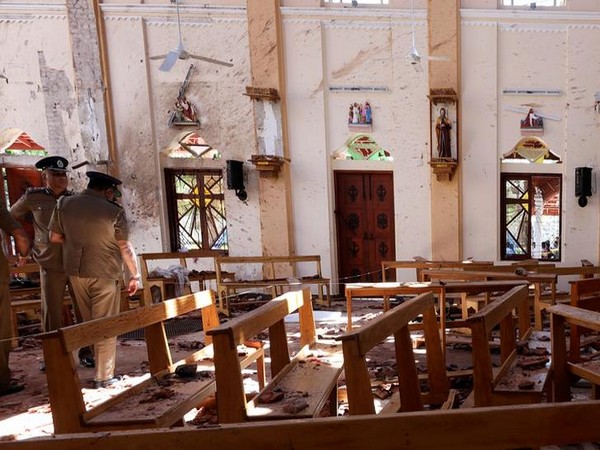
Bomb blasts during Easter celebrations at three Sri Lankan churches and three luxury hotels have killed 290 people and wounded more than 400, according to officials.
The blasts targeted St Anthony's Church in Colombo, St Sebastian's Church in the western coastal town of Negombo and another church in the eastern town of Batticaloa around 8.45 a.m. (local time) as the Easter Sunday mass were in progress, police spokesman Ruwan Gunasekera said.
The three hotels hit were the Shangri-La Colombo, Kingsbury Hotel in Colombo and the Cinnamon Grand Colombo. It was unclear whether there were any casualties in the hotels.
At least 38 foreigners, including 10 Indian nationals, have died in the attacks. The tourism officials said that many tourists were cutting short their stays and the airlines have suffered flight cancellations.
The government said they had taken some damage control measures as the arrivals are expected to decline at least during the next 3 months. "I wish to assure the Tourism industry that the government has taken every possible measure to ensure the safety of the public and all tourists who are in the country at present," said Tourism Minister John Amaratunga.
"The three Armed Forces along with the Police have put in place a comprehensive security plan covering hotels, resorts and places of tourist interest to ensure the safety of tourists," he said in a statement.
Amaratunga said special arrangements had been made to assign a special representative to the hospitals where the injured tourists are receiving treatment and the three hotels affected by the attacks. "I don't have an exact number, but it can be thousands trying to cut short their holidays and leave Sri Lanka early," Sri Lanka Tourism Development Authority Chairman Kishu Gomes said.
India is the largest source market for Sri Lanka, which received 2.3 million tourists from around the world in 2018. Around 450,000 Indian tourists visited Sri Lanka last year and the island nation was expecting the total Indian tourist arrivals to cross one million mark in 2019. Tourism revenues in Sri Lanka increased to USD 362.7 million in November from USD 284 million in October 2018, according to a media report.
The big hotels which were not affected by the blasts such as the Galle Face Hotel, Ramada and Taj Samudra were seen taking additional security measures. They have erected barricades and use hand scanners for tourists coming in. These measures will be in place at last for some time bringing back memories of the times of the heightened military clashes with the LTTE. For 10 years the island nation experienced peace with relaxed security.
Mount Lavinia Hotel south of the capital, a popular site for the tourists, said there have been a large number of cancellations. Galle Face Hotel top official Chandra Mohotti also said: "there will be huge cancellations".
Even during the height of the three-decade-long conflict with the LTTE, Sri Lanka had not seen tourists being targeted. The Easter Sunday blasts were the first time that tourists were specifically targeted.
The government said a local radical Muslim group National Thowfeeth Jamath has been behind the suicide bombings. Tourism accounts for around five per cent of Sri Lanka's GDP.
In his first reaction to Sunday's blasts, Prime Minister Ranil Wickremesinghe said the tourism industry will be hit by the blasts. "There will be a downward trend, Tourism will get affected. There may be fund outflows," Prime Minister Wickremesinghe said.
Industry officials said the rebound from the attacks would depend on the security measures to be adopted. Sri Lanka's tourism industry faced a difficult time until a decade back due to the civil war with the LTTE which claimed at least 100,000 lives. However, in recent years the island nation has emerged as a top tourism destination in Asia.
The island nation has developed the Ramayana circuit to woo Indian tourists by identifying several places connected with the ancient Indian epic. The government last night brought back emergency regulations that would grant the security forces sweeping powers to crack down on law and order breaches.


 Google News