

Home-based early childhood education to become professionalised for better quality
Home-based early childhood education has been the fastest growing part of the early learning sector, receiving over $150 million each year in public funding.
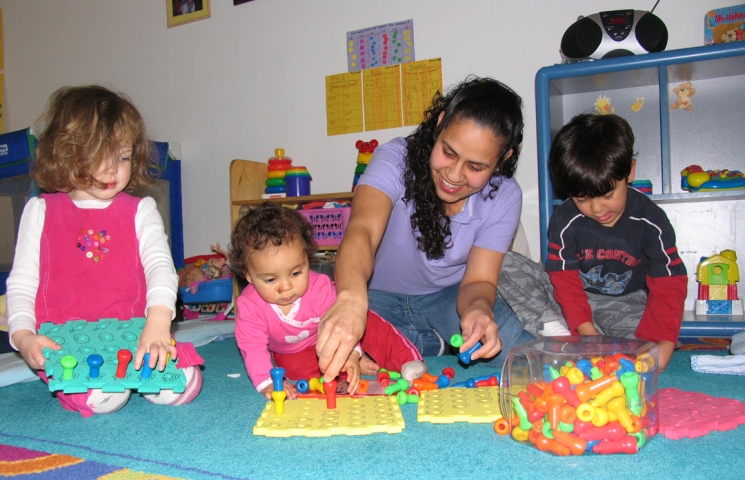
- Country:
- New Zealand
The government subsidised education and care of young children that takes place in the educator's home or in the child's home will become professionalised, to ensure better and more consistent quality, Education Minister Chris Hipkins announced today.
Home-based early childhood education has been the fastest growing part of the early learning sector, receiving over $150 million each year in public funding. 18,267 children received education and care from a home-based educator in 2018, a 65 per cent increase since 2007.
"The Coalition Government is committed to making New Zealand the best place in the world to be a child. High quality early learning is a right of every child and their parents and whānau, to give them the best possible start in life," Chris Hipkins said.
"We've heard from educators and parents about the unique place that home-based learning holds, in particular, the family-feel it provides, with small groups and close relationships. But we have also heard concerns about inconsistent quality across the sector, due in part to inadequate government oversight.
"Currently home-based educators are not required to hold a relevant qualification, and in fact, the proportion of services with qualified educators has declined over the last decade. The Government has decided to move towards a level 4 Early Childhood Education certificate becoming the minimum qualification for home-based educators.
"Evidence suggests that an ECE qualification supports educators to provide children with stimulating, warm and supportive early learning experiences.
"I will work with the sector to determine an appropriate time for this qualification requirement to become mandatory. This change represents a substantial shift and it is important to minimise disruption to parents and whānau.
In the meantime, changes to the funding rates and criteria will increasingly encourage home-based services to employ a qualified workforce.
"Te Ara Tuarua, the Level 5 kōhanga reo qualification, will also be recognized as an equivalent qualification for funding purposes. Recognizing Te Ara Tuarua in home-based ECE is an important step towards providing more opportunities to use te reo Māori across the wider early learning sector.
The move to a fully-qualified workforce is the major change coming out of a review of the home-based early childhood education. Other decisions on the review include:
Strengthened oversight through a beefed-up 'visiting teacher' role;
Giving the Education Review Office the power to enter homes where home-based early childhood education is taking place; and
More explicit requirements on service providers to provide health and safety training and professional development for educators.
"It is likely that our higher requirements and greater scrutiny will result in some providers exiting the market, or moving to informal arrangements that no longer receive public money. These are most likely to be providers where educators are au pairs or family members, or the service specializes in short-term care arrangements.
"While I believe au pairs provide valuable support to parents, exempting this group would have undermined the intent of the policy. As there is no definition of au pair in the current regulatory framework, an exemption could have led to unintended rapid growth in the unqualified au pair market. This could lead to significant variability in quality across home-based early childhood education.
"Education and care in the home is a valued option for many parents and whānau. Today's changes will ensure that parents can be confident in the quality of education provided for their children."
(With Inputs from New Zealand Government Press Release)
ALSO READ
-
IDB Sets Out Education Roadmap to Close LAC Learning Gaps
-
Lebanon’s Children Face Hunger, Lost Schooling and Work as Families Reach the Brink
-
UNICEF Praises Jordan’s Progress for Children as Funding Cuts Threaten Vital Services
-
ADB’s Five-Year Plan Backs Better Services and More Jobs Across Papua New Guinea
-
Philippines Could Unlock Billions Through Smarter Taxes and Public Spending


 Google News