

Dev Anand's Defiant Stand: From Screen Icon to Political Visionary
Dev Anand's memoir recounts his opposition to the Emergency era's political pressures in India and the consequences he faced. The iconic actor defied attempts to promote the ruling party's agenda, which led to a temporary ban on his films. His later efforts in forming a political party aimed at national reform reflect his enduring commitment to democracy.
- Country:
- India
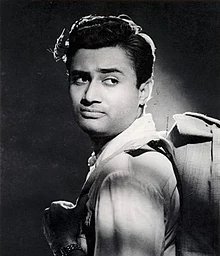
Legendary Bollywood actor Dev Anand's opposing stance against the autocratic tactics of the Emergency period in India is revealed in his memoir "Romancing with Life." The cinematic icon, known for classics like "Baazi" and "Guide," recounts the pressures to endorse Youth Congress led by Sanjay Gandhi.
Post-meeting encounters with party leaders ended in Dev Anand's films being banned from television and his name omitted from official media. Unwavering in his dissent, he even challenged Information and Broadcasting Minister V C Shukla, questioning if India was a democracy or a police state.
Ultimately, Dev Anand's political ambitions led him to found the National Party of India, advocating reforms. Despite its brief lifespan, his commitment to democracy left an indelible mark on Indian politics. Dev Anand passed away at age 88 in 2011, leaving behind a legacy of artistic and political impact.
ALSO READ
-
Cleaner Kitchens, Polluted Skies: Hidden Health Cost of India’s Electricity Boom
-
Japan-Backed ILO Projects Help 23,000 Workers Gain Rights and Fight Child Labour
-
India's Delicate Balancing Act: Navigating Energy Security Amid Middle Eastern Tensions
-
India Gears Up for Glory: Asian Games 2026 Preview
-
India Defends Energy Policy Amidst Rising Tariff Threats from U.S.


 Google News